


Concerns are mounting among scientists after hundreds of unusual earthquakes were recorded between 2010 and 2023 near Antarctica’s Thwaites Glacier, widely known as the “Doomsday Glacier” due to its potential to significantly raise global sea levels if it collapses.
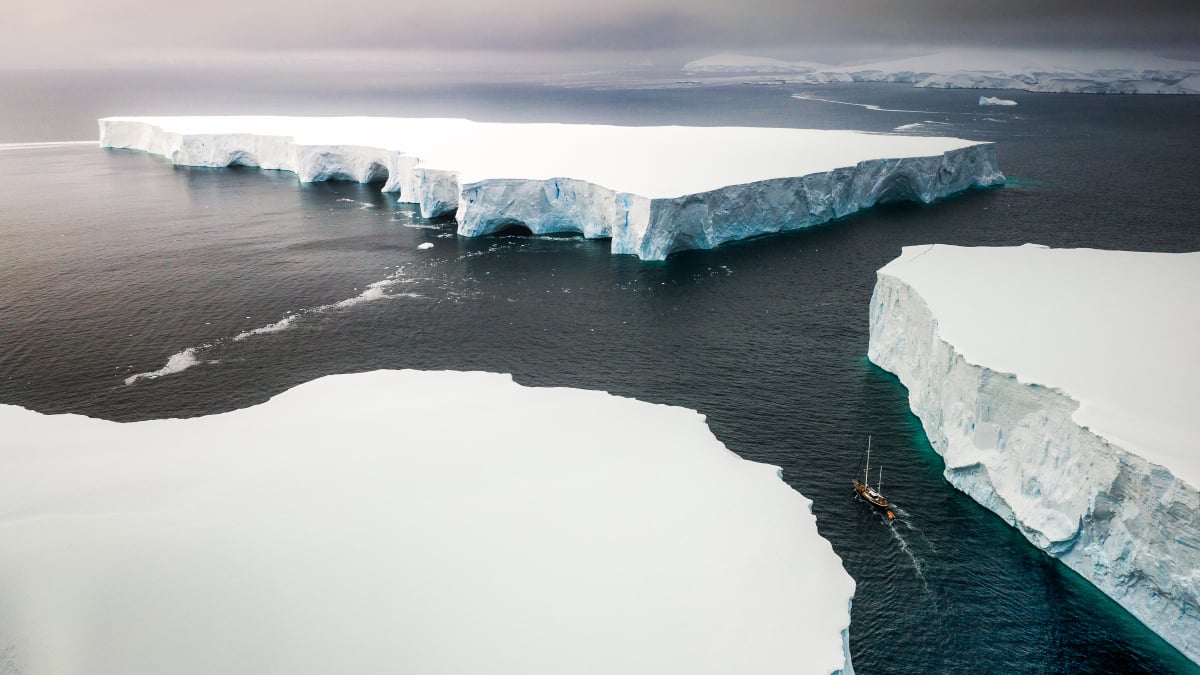
According to a study published in Geophysical Research Letters, these seismic disturbances are not typical earthquakes. Instead, they are glacial earthquakes, caused when huge icebergs break away from glaciers, topple, and crash into the sea, generating powerful low-frequency seismic waves.
What Makes Glacial Earthquakes Different?
Unlike normal earthquakes, which produce strong high-frequency waves and are easily detected, glacial earthquakes lack high-frequency signals, making them much harder to identify. Scientists only discovered such quakes around two decades ago, initially in the northern hemisphere.
In an article published in The Conversation, study author Thanh-Son Pham, ARC DECRA Fellow in Geophysics at the Australian National University, revealed that seismic monitoring stations detected over 360 such glacial quakes near the Thwaites and Pine Island glaciers over the 13-year period.
Out of these, around 245 events occurred close to the marine edge of the Thwaites Glacier, mostly linked to iceberg capsizing events.
Linked To Faster Glacier Movement
The study also found a key pattern — many of these earthquakes occurred during periods when the glacier’s movement accelerated. Researchers believe this may be heavily influenced by changing ocean conditions, including warmer waters that weaken glacier stability.
Why Scientists Are Alarmed
Thwaites Glacier is one of the most critical ice masses on the planet. Experts estimate that if it were to collapse entirely, it could raise global sea levels by up to three metres — enough to flood coastal cities and reshape shorelines worldwide.
Understanding these earthquakes is therefore essential. Scientists say studying these seismic signals could help predict future glacier collapse risks, monitor instability, and provide crucial insights into future sea-level rise.
For now, the findings highlight yet another warning sign of the planet’s rapidly changing climate.