

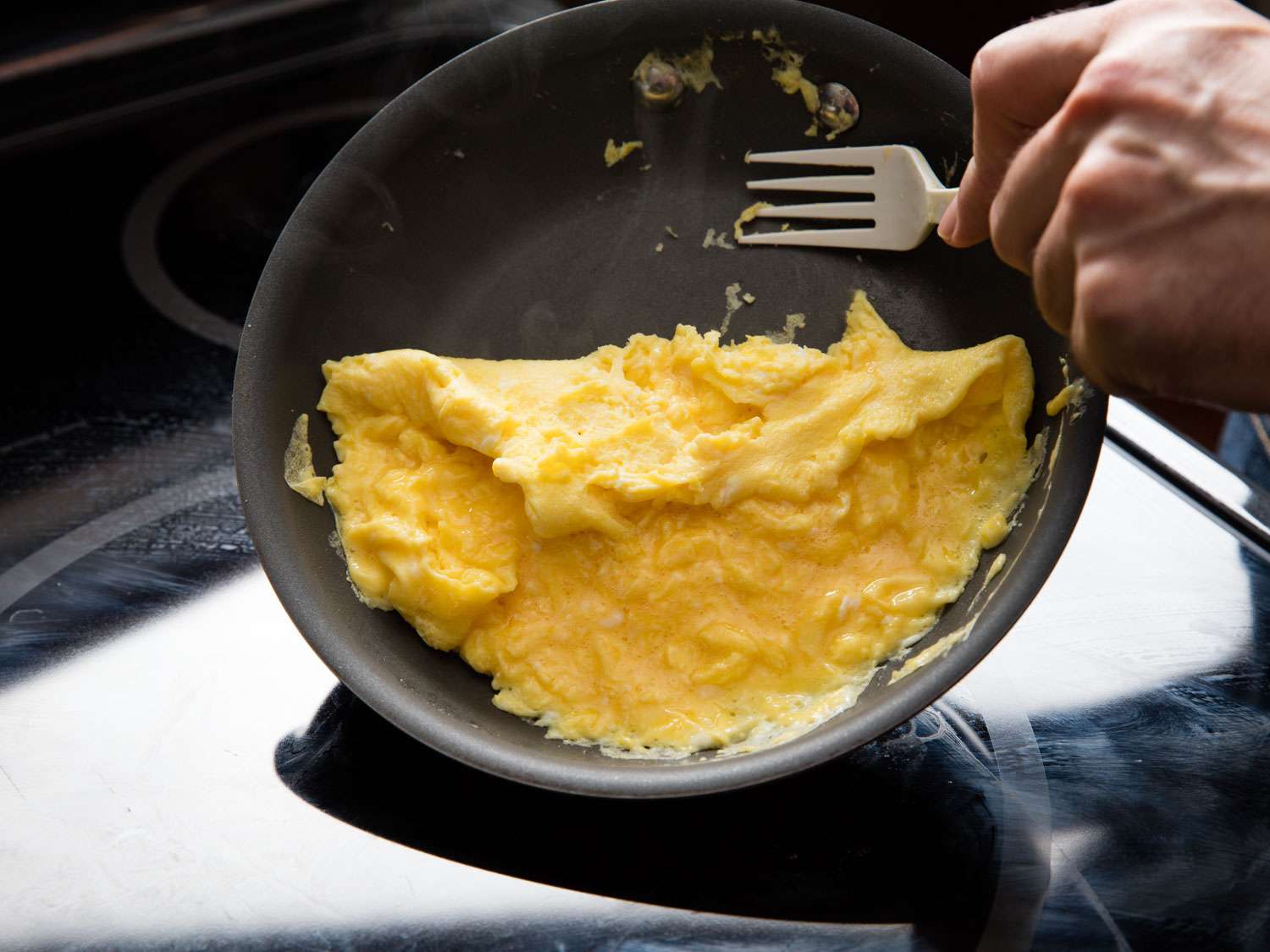

NEW DELHI — People frequently think of the omelette as a basic dish in the kitchen, but it may be surprisingly hard to get it just right. Many home cooks make the same mistakes: eggs that are too rubbery, edges that are too browned, and omelettes that stick to the pan. Ordering food from an app is a convenient option, but learning how to make this quick and healthy breakfast classic is an important life skill. Here are the five most common mistakes to avoid and some short recommendations to help you make the perfect omelette.
The Basic Recipe: What You Need
Two eggs
Add salt and pepper to taste.
1 tablespoon of oil or butter
Fillings that are not required (such cheese, vegetables, or herbs)
Steps:
Beat the eggs: In a bowl, whisk together 2 eggs with a teaspoon of salt and pepper until the mixture is smooth and a little frothy.
Heat the Pan: In a nonstick pan over medium heat, melt 1 tablespoon of butter or oil.
Pour the eggs: Put the egg mixture into the pan and cook it until the edges start to firm.
Fold and Serve: Add the fillings you like, fold the omelette in half, and cook for another minute. Serve hot.
Five mistakes you should never make when making an omelet
How to Beat the Eggs Wrong: Before you even put the omelette in the pan, you can tell what kind of texture it will have. When you beat an egg too much, it gets too much air, which makes the omelette flat. When you beat it too little, you can see streaks of yolk and white, which makes the texture uneven. The aim is a mixture that is always the same and a little foamy. Adding a little salt to the eggs before whisking them can help break down the proteins, which makes the mixture smoother. You can also add a little bit of water to make the omelette lighter.
High heat is bad for making a flawless omelette. It makes the outside cook too quickly and burn, while the inside stays raw and undercooked. A medium or medium-low flame lets the eggs set slowly and evenly. If the pan makes a loud noise when you pour in the eggs, it’s too hot. A soft, steady heat makes sure that the omelette is soft and golden yellow.
Using the Wrong Pan: The pan is very important. To keep the eggs from sticking, you should use a pan that doesn’t stick. A heavy-bottomed pan also helps to spread the heat evenly. Don’t use a pan that is too big, because it will spread the eggs too thinly, making the omelette dry and hard to fold. A non-stick skillet that is 8 inches wide is perfect for making an omelette for one person.
Too Many Fillings: Cheese, veggies, and herbs enhance taste, but too many of them can ruin a dish. Too many contents make it impossible to fold the omelette, and vegetables containing a lot of water, such tomatoes or mushrooms, can make it soggy. To avoid this, prepare any wet veggies ahead of time to get rid of extra water, and use fillings sparingly. A little layer of cheese or a small handful of vegetables that have already been sautéed is usually adequate.
This is perhaps the most prevalent mistake: overcooking the omelette. Even after you remove the eggs off the stove, they keep cooking because of the heat left over. If you wait until the top is completely dry, your omelette will be rubbery and overcooked. Instead, take the omelette off the fire when the middle is still a little soft and creamy. The rest of the heat will finish cooking it, giving it a soft, moist texture.
Tips for Making a Great Omelette: Use Eggs at Room Temperature Eggs that have been at room temperature for around 30 minutes are easier to whisk.
Always season the eggs with salt and pepper before whisking them, not after.
Fat is Flavor: For a richer flavor and golden rims, use butter. For a higher smoke point, use a mix of butter and oil.
Be Patient: Don’t rush the cooking process; keep the heat low.
Less is More: Use two to three eggs for one serving to make sure it is light and easy to work with.
Practice is important, but these easy strategies will help you turn a simple dish into a superb, restaurant-quality feast. If nothing else works, you can always order food from your favorite app!