

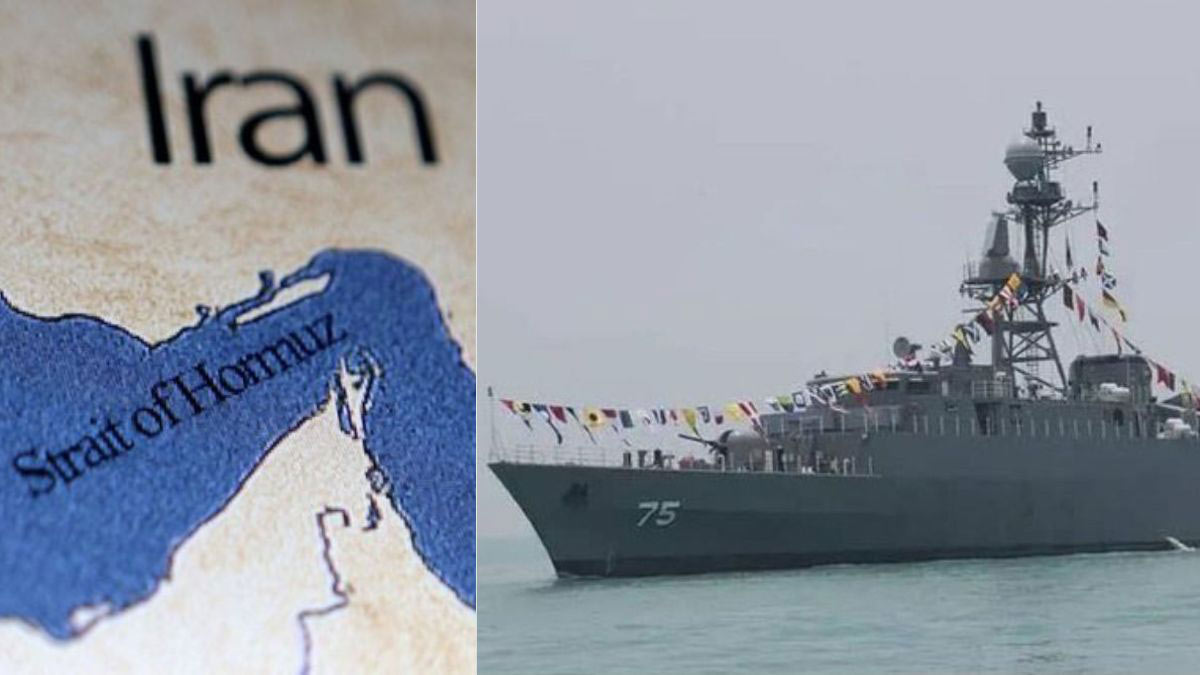

The maritime situation in the Middle East has escalated into “utter confusion” as of Thursday, March 12, 2026. While global energy markets remain on edge, there was a brief moment of relief for India as two Shipping Corporation of India (SCI) vessels successfully navigated the volatile Strait of Hormuz.
Indian Tankers’ Risky Transit
Despite Iran’s refusal to allow warships to escort commercial tankers, two Indian ships managed a high-stakes crossing:
- The Vessels: The SCI tankers Pushpak and Piramal transited the Strait without escort between Wednesday night and Thursday morning.
- The Risk: Their successful passage occurred even as three other tankers in the vicinity were struck by Iranian projectiles.
- Current Status: While these two ships are safe, shipping experts warn that the sea lane remains “precarious,” with the Iranian chain of command sending conflicting signals to maritime traffic.
Casualties and Tactical Shifts
The scale of the conflict has grown significantly over the last 48 hours:
- The Toll: A total of 19 ships have now been hit by Iran in the Strait, resulting in seven confirmed deaths.
- Underwater Threats: Investigators are increasingly concerned that the IRGC (Islamic Revolutionary Guard Corps) may be using underwater drones or projectiles. This theory gained traction after the Thai-flagged Mayuree Naree (bound for Gujarat) was hit specifically on its hull.
- UN Intervention: On Wednesday night, the UN Security Council adopted a resolution (13 votes in favor, with Russia and China abstaining) invoking Article 51, affirming the right of member states to individual or collective self-defense against Iranian attacks.
Geopolitical Leverage
Analysts suggest Tehran is using the Strait of Hormuz as a “military lever” to achieve two goals:
- Global Pressure: Triggering a global energy and food crisis to force the US and Israel to halt their offensive.
- Punishing Neighbors: Targeting Sunni Gulf nations to punish them for hosting US bases, despite those nations largely avoiding direct retaliation to prevent a wider regional explosion.