

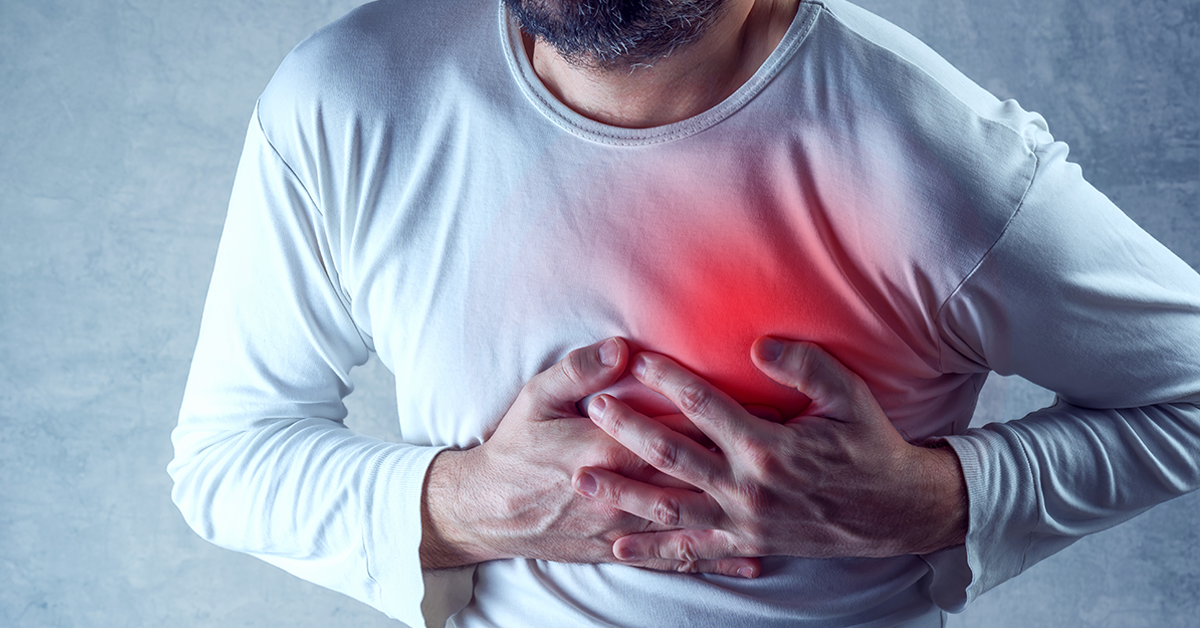

When it comes to a heart attack, the “Hollywood version”—clutching the chest and collapsing—is far from the only way it presents. In fact, many people experience subtle, non-chest-pain symptoms hours or even days before an actual cardiac event. These are often dismissed as the flu, indigestion, or simple exhaustion.
Knowing these “atypical” signs is crucial, especially for women, older adults, and those with diabetes, as they are statistically more likely to experience them.
The Early Warning Signs (Before or Without Chest Pain)
- Unusual Fatigue: Feeling suddenly and severely exhausted after a simple task (like walking to the car) can be a sign of heart strain. This fatigue can sometimes start days or weeks before a heart attack.
- Breathlessness: If you find yourself gasping for air while resting or during light activity, it may indicate your heart is struggling to pump blood effectively.
- Jaw, Neck, or Back Pain: Pain from a heart attack can “radiate.” It often presents as a dull ache in the lower jaw, a “tight” feeling in the throat, or a sharp pain between the shoulder blades.
- Upper Stomach Discomfort: Often mistaken for acid reflux or a “heavy” stomach, this feeling may present as pressure or a burning sensation in the upper abdomen.
- Cold Sweats & Clamminess: Breaking out in a cold, clammy sweat without any physical exertion or heat is a red flag, often accompanied by pale or ashen skin.
- Nausea or Lightheadedness: Feeling sick to your stomach, vomiting, or suddenly feeling like the room is spinning can occur when blood flow to the brain or digestive system is compromised.
Gender Differences in Symptoms
While both men and women usually report some form of chest pressure, women are significantly more likely to experience the “silent” symptoms.
| Symptom | Common in Men | Common in Women |
| Chest Pain | Intense “crushing” pressure | Fullness, squeezing, or mild discomfort |
| Radiation | Usually left arm and jaw | Back, neck, jaw, or right arm |
| Other Signs | Sweating, dizziness | Fatigue, nausea, flu-like symptoms |
What to Do If You Suspect an Issue
- Don’t Ignore It: If these symptoms last for more than 5-10 minutes, treat it as an emergency.
- Call Emergency Services (911/112/102): Do not try to drive yourself to the hospital. Emergency responders can begin life-saving treatment the moment they arrive.
- Chew an Aspirin: If recommended by a dispatcher, chewing a standard aspirin can help break up blood clots while you wait for help.
- Sit and Rest: Stay calm and avoid any physical exertion that could further strain the heart.