

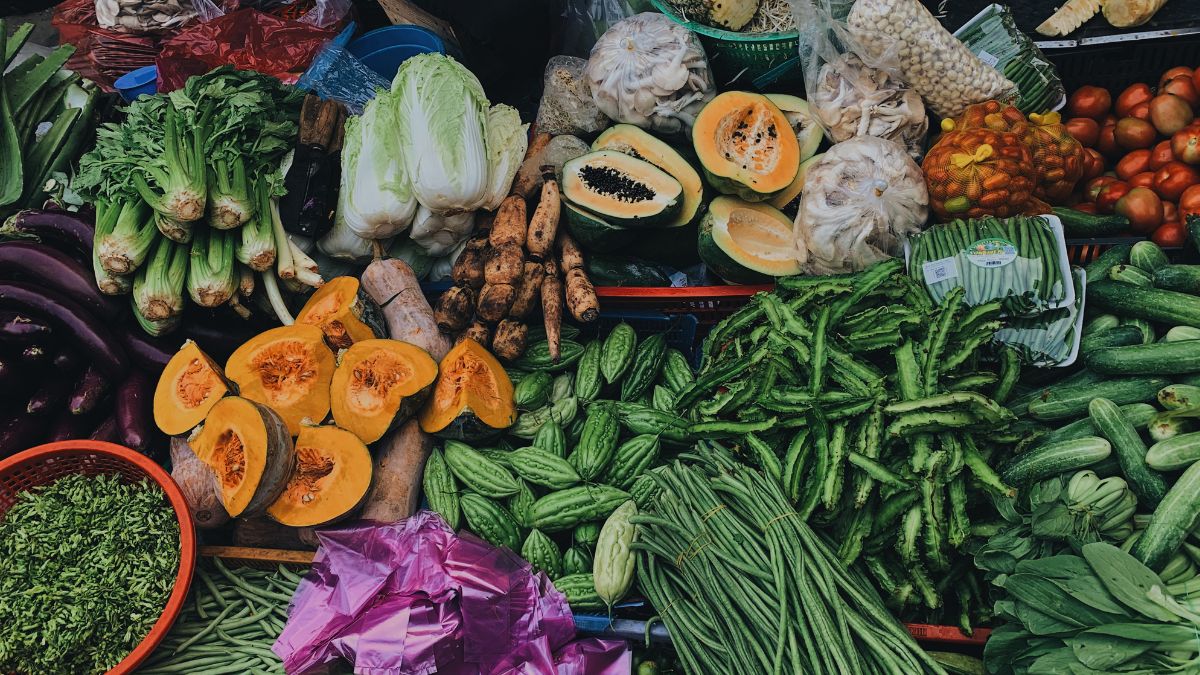

A recent study conducted by the Central Pollution Control Board (CPCB) has raised serious concerns about food safety in Bengaluru, revealing heavy metal contamination and excessive pesticide residues in vegetables sold across the city and its surrounding agricultural regions.
The findings are based on an extensive investigation carried out in Nelamangala, Kolar, and Chikkaballapur, along with samples collected from retail points such as APMC markets and HOPCOMS outlets.
Lead Levels Exceed Safety Limits
Vegetable samples collected during February and September 2025 showed alarming results. Out of 72 samples, 19 were found to contain lead levels above the permissible safety limits. Most of the contaminated produce was traced back to local markets in and around Bengaluru.
While soil samples from the study areas largely remained within acceptable ranges, the CPCB noted that lead concentrations in soils from Kolar and Chikkaballapur were significantly higher compared to Nelamangala. The findings have prompted calls for a deeper investigation into the possible sources of contamination.
Pesticide Misuse Widespread
The report also highlighted rampant misuse of pesticides in vegetable cultivation. A total of 18 different pesticide residues were detected in the samples, with 12 exceeding the Maximum Residue Limits (MRL) prescribed under the Food Safety and Standards Regulations, 2011.
Vegetables identified as high-risk include:
- Capsicum
- Chilli bajji
- Cucumber
- Ginger
These crops showed repeated violations of residue norms, raising concerns about long-term health risks for consumers.
Air and Water Quality Findings
Environmental monitoring revealed traces of iron and manganese in groundwater, although the levels were within permissible drinking water limits.
Air quality assessments conducted in Soppahalli and Thurandahalli recorded PM10 concentrations ranging between 26.5 and 34.6 milligrams per cubic metre. Trace amounts of copper, nickel, and lead were also detected in the air.
CPCB Calls for Immediate Action
In response to the findings, the CPCB has recommended urgent corrective measures, including:
- A joint investigation by the Department of Agriculture and the Food Safety and Standards Authority of India (FSSAI) to trace the source of lead contamination
- Farmer training programmes to promote sustainable and environmentally-friendly pest control methods
- Consumer awareness campaigns highlighting the risks associated with contaminated vegetables
The regulator stressed that without swift intervention, continued exposure to contaminated produce could pose serious public health risks.
What Consumers Can Do
Experts advise consumers to:
- Wash vegetables thoroughly under running water
- Peel skin where possible
- Prefer seasonal and locally verified produce
- Avoid excessive consumption of high-risk vegetables