

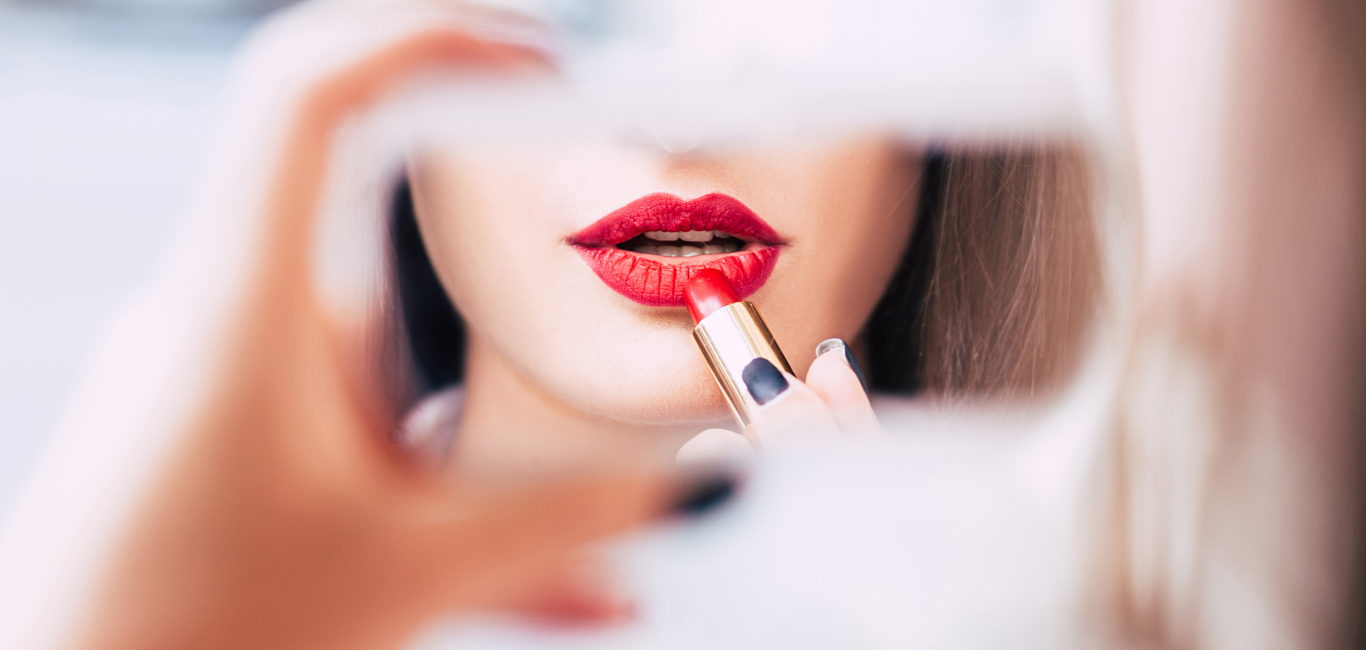

A swipe of lipstick may feel like a harmless finishing touch to a polished look. But health experts say beauty should never come at the cost of long-term wellbeing. As conversations around ingredient transparency gain momentum, professionals are urging consumers to look beyond colour, texture and brand appeal — and pay closer attention to what actually goes into their everyday cosmetics.
According to Anjali Mukerjee, some lipsticks may contain trace amounts of heavy metals such as lead, mercury, arsenic and nickel. While these substances are not deliberately added, she explains that they can appear as impurities during the sourcing and manufacturing of pigments used in cosmetic formulations.
How Do Heavy Metals End Up in Lipsticks?
Lipsticks are a staple in many beauty routines, often applied multiple times a day. Mukerjee notes that the heavy metals detected in certain products typically arise during pigment production.
“It is just a part of the manufacturing process, and these heavy metals exist in very trace amounts as part of the pigments and also how they are sourced,” she explains in a recent Instagram video.
Although regulatory agencies in many countries set permissible safety limits for such contaminants, concerns remain about cumulative exposure — particularly when consumers use multiple personal care products daily.
Why Are Heavy Metals a Concern?
Heavy metals are associated with the generation of free radicals — unstable molecules that contribute to oxidative stress in the body. Over time, oxidative stress can lead to cellular damage.
Mukerjee explains that heavy metals may:
- Generate free radicals
- Damage cell membranes
- Alter DNA integrity
- Interfere with normal metabolic functions
She further adds that the human body does not efficiently eliminate heavy metals, increasing the risk of bioaccumulation over prolonged exposure.
Critics argue that even if individual products remain within regulatory limits, repeated daily use across cosmetics, skincare, and other personal care items could contribute to a higher cumulative toxic burden.
The Push for Cleaner Beauty
In light of these concerns, Mukerjee encourages consumers to make more informed choices. She advises looking for lipsticks labelled as:
- Natural
- Organic
- Lead-free
- Toxin-free
- Aligned with clean beauty standards
“Daily-use products matter,” she emphasises, highlighting how small, everyday decisions can influence long-term health outcomes.
In her caption, she adds: “Choosing clean, toxin-conscious formulations reduces long-term toxic burden on the body. Healthier choices today support wellbeing over time.”
Experts Urge Caution — and Balance
Dermatologists and health professionals agree that ingredient transparency is becoming increasingly important. The market shift towards cleaner formulations is largely being driven by better-informed consumers demanding safer alternatives.
However, experts also caution against assuming that “natural” automatically means safe. Natural ingredients can also trigger allergies or adverse reactions, underscoring the need for balanced decision-making and evidence-based evaluation.
Ultimately, the growing awareness around cosmetic safety reflects a broader movement toward preventative health — one that recognises how everyday lifestyle choices, including makeup selection, may impact overall wellbeing.
Disclaimer
This content, including advice, provides generic information only and is not a substitute for a qualified medical opinion. Always consult a qualified healthcare professional for personalised medical advice.