

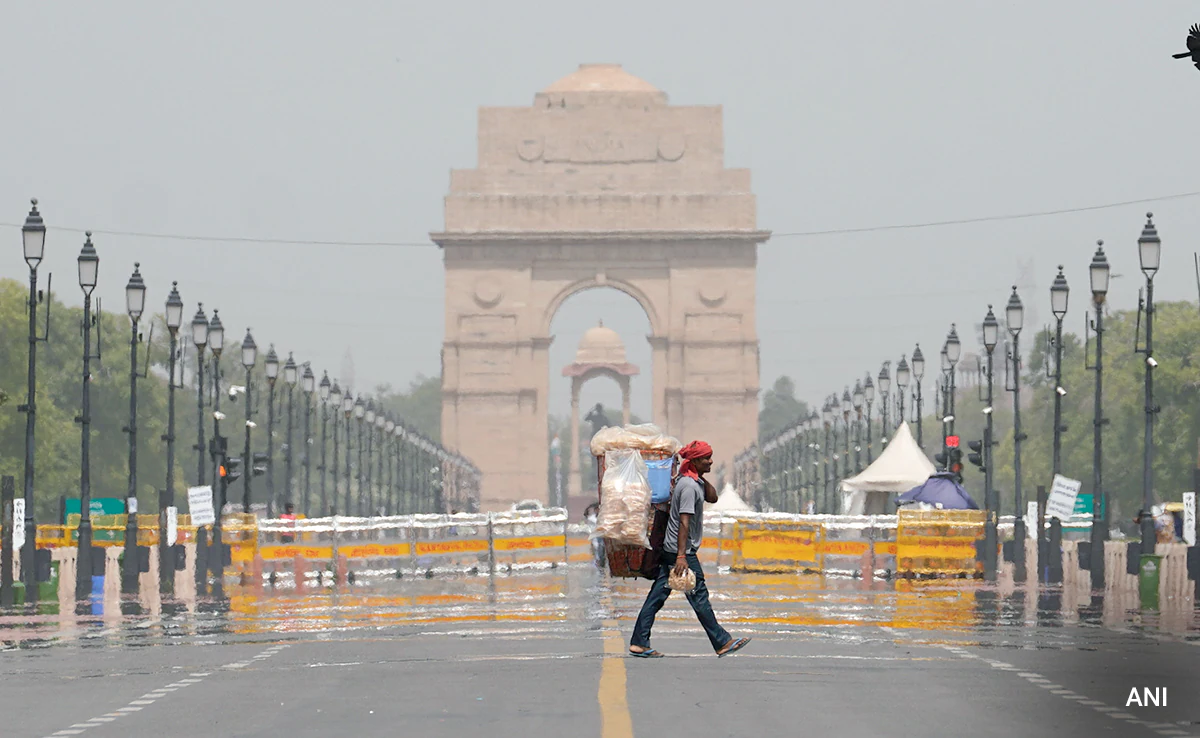

NEW DELHI — Data from the India Meteorological Department (IMD) reveals a stark climatic shift this month. The average maximum temperature for February reached 27°C, significantly higher than the long-period average (LPA) of 24.2°C. This unusual warmth has been mirrored by a spike in toxic air, with the average Air Quality Index (AQI) climbing to 232.
1. The Rainfall Deficit: A Double-Edged Sword
Meteorologists point to a severe lack of Western Disturbances—weather systems from the Mediterranean that typically bring winter rain to northern India.
- The Numbers: Delhi recorded a measly 0.5mm of rain this month, compared to the usual 21.3mm.
- Impact on Heat: Without rain or cloud cover, clear skies have allowed solar radiation to heat the ground unchecked.
- Impact on Air: Rainfall usually triggers a “washout effect” that settles dust and particulate matter. “In the absence of rain, pollutants remained suspended in the lower atmosphere,” noted Mahesh Palawat of Skymet.
2. Historical Comparison: A Three-Year High
While 2024 was relatively mild due to surplus rain, 2026 is trending closer to the record-breaking heat of 2023.
| Year (Feb) | Avg Max Temp | Total Rainfall | Avg AQI |
| 2026 | 27.0°C | 0.5mm | 232 |
| 2025 | 26.7°C | 1.4mm | 214 |
| 2024 | 24.4°C | 32.5mm | 218 |
| 2023 | 28.2°C | 0.0mm | 237 |
3. Forecast: A “Sizzling” Holi
The relief experienced on Friday, where the AQI sat at the border of “moderate” and “poor” (200), is expected to be short-lived.
- Rising Mercury: Temperatures are forecasted to climb to 33°C by March 3 and could hit 34°C on Holi (March 4). By March 5, the city could see its first 35°C day of the year.
- Night Temperatures: Minimums are also on the rise, expected to jump from the current 13.1°C to nearly 17°C by early next week.
Expert Insight
“Western disturbances have been fairly feeble, with no significant rain in the plains and limited snowfall in the mountains. This lack of moisture is why we are seeing such a steady and early rise in temperatures.” — RK Jenamani, Senior Scientist, IMD.