

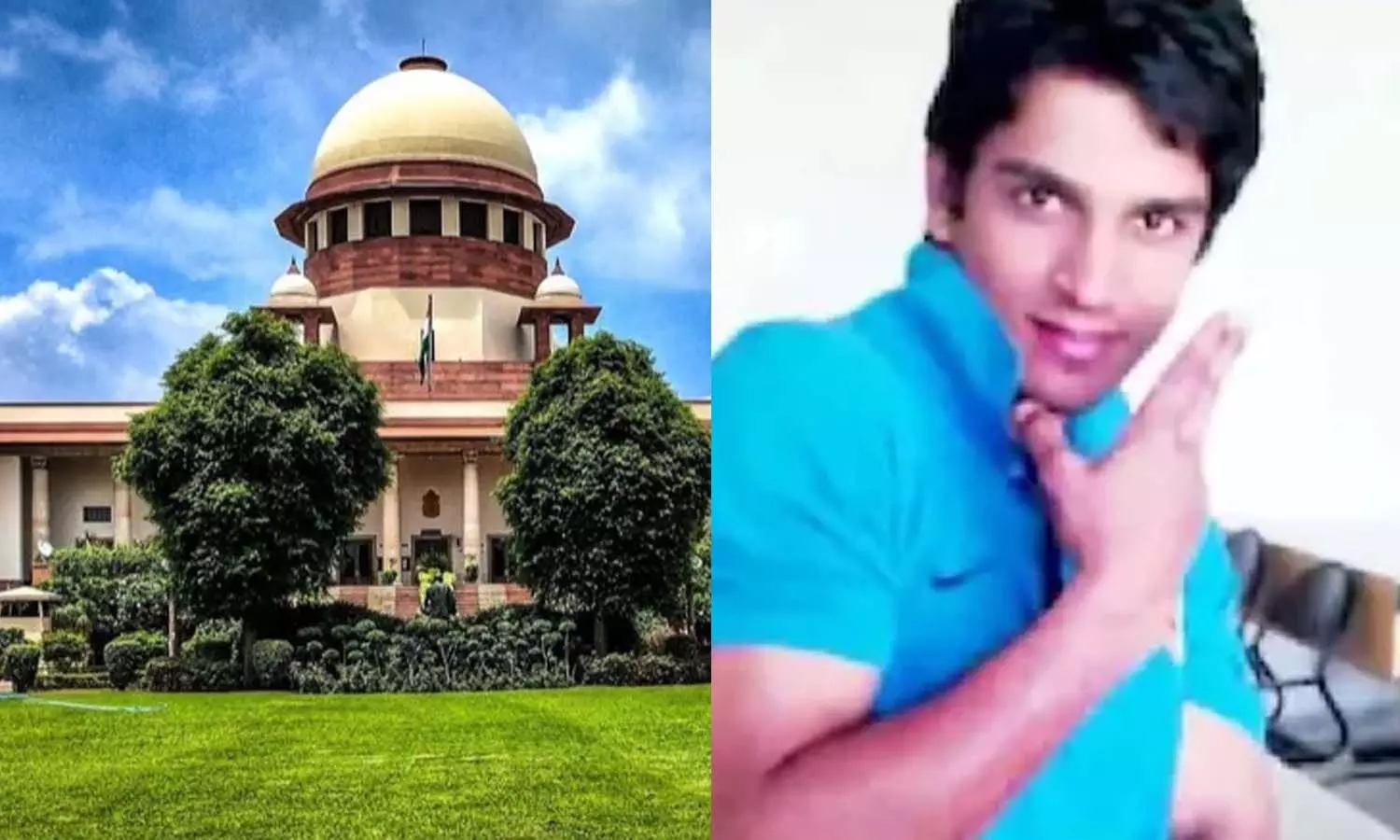

The story of Harish Rana has become a pivotal chapter in Indian legal and medical history. On March 11, 2026, the Supreme Court of India granted a landmark plea for passive euthanasia, ending a 13-year ordeal for a man trapped in a permanent vegetative state.
The Life and Tragedy of Harish Rana
Harish Rana was a 20-year-old BTech student in 2013 when his life changed forever.
- The Accident: While living in a paying guest accommodation, Harish reportedly fell from the fourth floor, sustaining a catastrophic traumatic brain injury.
- The Condition: The fall left him 100% disabled. For over a decade, he remained bedridden and unresponsive, kept alive solely through a PEG (Percutaneous Endoscopic Gastrostomy) tube for nutrition and hydration.
- The Family’s Sacrifice: His parents faced an agonizing emotional and financial journey. Reports indicate they sold their home and exhausted all savings to fund over ten years of continuous medical care and hospitalizations.
The Path to the Supreme Court
After years of witnessing no neurological improvement, Harish’s father filed a petition seeking passive euthanasia—the withdrawal of life-sustaining treatment to allow a natural death—citing the high cost of suffering and the lack of any therapeutic purpose in continuing treatment.
- Medical Consensus: A primary medical board described his condition as “pathetic,” and an AIIMS secondary board confirmed that his chances of recovery were practically nonexistent.
- Legal Framework: The Court evaluated the case under the 2018 “Common Cause” guidelines, which recognize that Article 21 (Right to Life) includes the Right to Die with Dignity.
- The Ruling: The bench, led by Justices JB Pardiwala and KV Viswanathan, held that prolonging his life through artificial means was a violation of his dignity. They ordered the withdrawal of support to be carried out under medical supervision at AIIMS Delhi.
Why This Case Matters
This is regarded as India’s first major case to implement the revamped 2023 passive euthanasia guidelines, which require both a primary and secondary medical board to certify an irreversible vegetative state. It sets a legal precedent for how the “Best Interest Principle” should be applied when a patient cannot express their own will.
Today’s Other Major Headlines (March 11, 2026)
- West Asia Crisis: Doda (J&K) administration officials are coordinating with families of five students stranded in Iran amid the ongoing conflict.
- Parliamentary Debate: AAP MP Raghav Chadha criticized telecom companies for the “28-day recharge cycle,” calling it a scam that forces 13 recharges a year.
- Cinema: The trailer for Junaid Khan and Sai Pallavi’s Ek Din was released, marking Pallavi’s Hindi debut.