

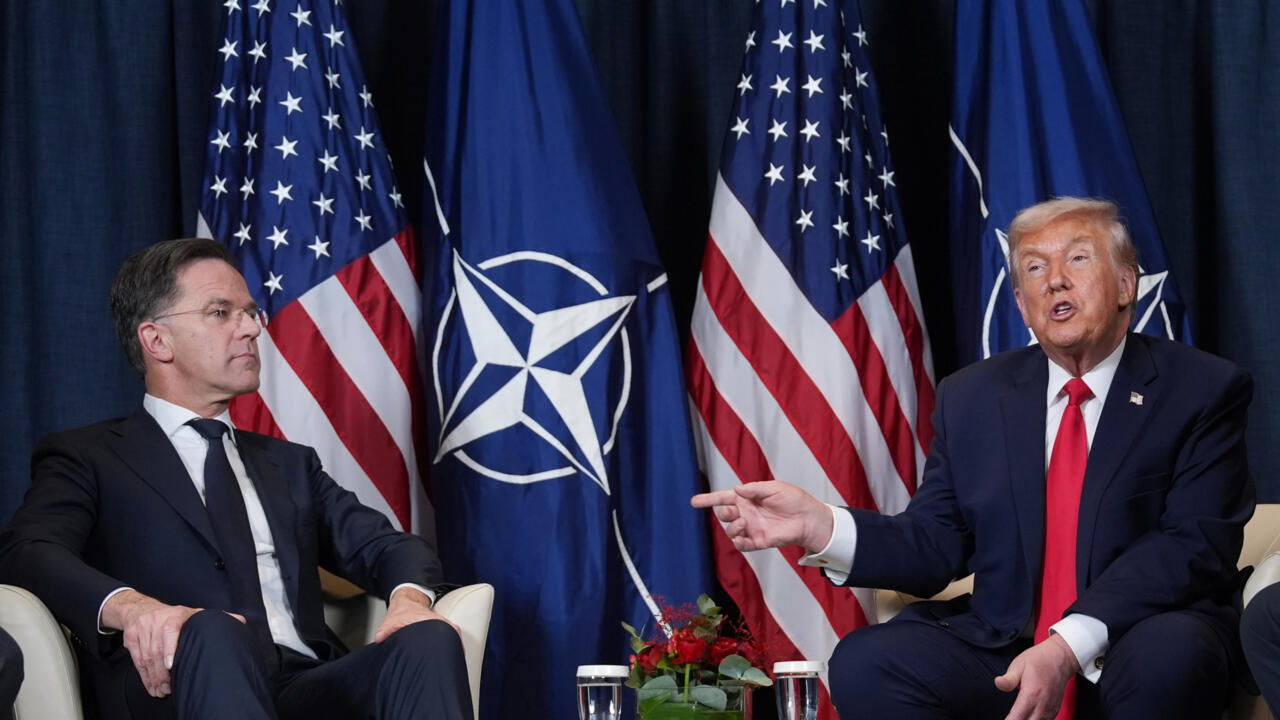

DAVOS, SWITZERLAND—In a dramatic pivot on the sidelines of the World Economic Forum, U.S. President Donald Trump announced on Wednesday, January 21, 2026, that the United States has reached a “framework for a future deal” regarding Greenland. This announcement marks a significant de-escalation from his earlier rhetoric involving military takeover and punitive trade tariffs.
Following a “productive meeting” with NATO Secretary General Mark Rutte, Trump confirmed he would not use military force to acquire the island. In exchange for the new framework, the U.S. has withdrawn its threat to impose 10% tariffs on eight European nations—including the UK, Denmark, and Germany—that had opposed the American acquisition.
1. The Greenland Framework: What We Know
While specific details remain under negotiation, the “concept” of the deal shifts the focus from outright ownership to unprecedented levels of military and economic access.
- “Total Access”: Speaking to Fox, Trump described the arrangement as providing “total access” with “no end” and “no time limit.”
- The “Golden Dome”: The deal reportedly includes integrating Greenland into the “Golden Dome”—Washington’s $175 billion multilayered missile defense system, which would see U.S. interceptors stationed on Greenlandic soil.
- Mineral Rights: The framework aims to grant the U.S. rights to Greenland’s vast rare earth mineral deposits without requiring case-by-case permission from Denmark.
- The UK Model: Anonymous officials suggest a “pockets of sovereignty” model, similar to British sovereign bases in Cyprus, where the U.S. would hold direct title to specific military zones.
2. NATO’s Role: Keeping Russia and China Out
NATO chief Mark Rutte clarified that the alliance’s goal is to bolster Arctic security rather than negotiate the sale of land.
- The Mandate: Rutte emphasized that NATO must “step up” to ensure Russia and China do not gain a military or economic foothold in Greenland.
- Timeline: NATO commanders are expected to finalize additional security requirements by early 2026.
- Unified Front: Rutte noted that while the U.S. is the primary driver, other non-Arctic allies are expected to contribute to the mission.
3. The Resistance: “Not for Sale, Not for Ceding”
Despite the diplomatic “thaw” in Davos, leaders in Nuuk and Copenhagen have expressed profound skepticism and anger over being sidelined.
- Greenland’s Defiance: Deputy PM Múte Egede stated ceding even small pockets of land is “unacceptable,” adding, “This is our land—we are the ones who shape its future.”
- Danish Sovereignty: PM Mette Frederiksen welcomed the de-escalation but reiterated that Denmark’s sovereignty is non-negotiable. She insisted that only Denmark and Greenland can strike agreements regarding their own territory.
- Parliamentary Backlash: Greenlandic MP Aaja Chemnitz warned that NATO has no mandate to negotiate Greenland’s future without its direct involvement.
The Greenland Framework: Key Pillars (Jan 2026)
| Feature | Status | Goal |
| Military Force | Ruled Out | De-escalation of transatlantic tension. |
| Trade Tariffs | Dropped | Relief for 8 European countries (UK, GER, FRA, etc.). |
| Missile Defense | Proposed | Stationing “Golden Dome” interceptors in the Arctic. |
| Mining Access | Under Negotiation | U.S. priority for rare earth minerals. |
| Sovereignty | Disputed | U.S. seeks “pockets”; Denmark/Greenland refuse. |