

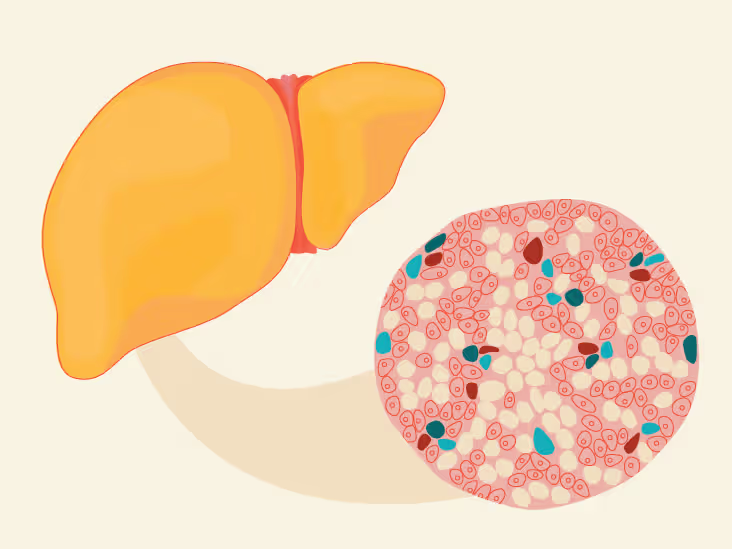

Grade 2 fatty liver indicates a moderate level of fat accumulation in the liver, and while it is not the most advanced stage of the disease, it does require timely attention to prevent progression to severe liver damage.
The liver plays a crucial role in detoxification, metabolism, digestion, blood sugar regulation and nutrient storage. Given its many functions, maintaining liver health is essential. However, fatty liver disease has become increasingly common due to lifestyle factors such as poor diet, obesity, sedentary habits, diabetes, and rising metabolic disorders. When too much fat collects inside liver cells, it can lead to inflammation and long-term damage.
Understanding Grades of Fatty Liver
Fatty liver disease is categorised based on the degree of fat deposition:
- Grade 1: Mild fat accumulation
- Grade 2: Moderate fat accumulation
- Grade 3: Severe fat accumulation, with increased risk of fibrosis or cirrhosis
Grade 2 fatty liver means a significant portion of liver cells now contain fat, demanding proactive lifestyle and medical intervention.
What Experts Say About Grade 2 Fatty Liver
“Grade 2 fatty liver indicates a significant accumulation of fat in the liver,” said Dr. Kaushal Madan, Principal Director and Head – Clinical Hepatology, Max Super Speciality Hospital, Saket.
“This condition typically affects individuals who are overweight, obese, or those with long-standing diabetes or abnormal lipid levels. Over time, excess fat can cause serious liver damage and may lead to cirrhosis or liver failure over one to two decades.”
Common Causes of Grade 2 Fatty Liver
- Obesity
- Sedentary lifestyle
- Poor diet
- Insulin resistance
- Alcohol consumption
- Certain medications
- Genetics
Can Grade 2 Fatty Liver Be Reversed?
The good news: Yes, it can—in most cases.
“There’s no need for excessive worry. In early stages, nearly all patients can reverse fatty liver if treated appropriately,” Dr. Madan noted.
“Because the condition is caused by excessive fat, the goal is to promote fat mobilisation from the body.”
Key Interventions
- Regular exercise
- Low-calorie, protein-rich diet
- Reduction of sugar, saturated fats, and high-calorie foods
- Weight loss, even 5–10%, can dramatically reduce liver fat
- Hydration and limited alcohol intake
- Managing diabetes, cholesterol, and metabolic issues
Dr. Madan added that coffee consumption may also support liver health, as studies suggest it helps slow the progression of fatty liver disease.
When Should You See a Doctor?
Fatty liver disease often shows no symptoms until it becomes severe. By the time signs appear, the liver may already be significantly damaged.
“If fatty liver is detected, further evaluation is critical,” said Dr. Madan.
He recommends two important tests:
- Liver Function Test (LFT) – blood test to assess liver enzymes
- FibroScan – a non-invasive method to measure fat and stiffness in the liver
“I estimate that more than 95% to 99% of patients can reverse fatty liver if diagnosed early and treated correctly,” he added.
Bottom Line
Grade 2 fatty liver is serious but reversible with the right lifestyle changes and medical supervision. Early diagnosis offers the best chance of preventing complications like fibrosis, cirrhosis, or liver failure.
(Expert inputs: Dr. Kaushal Madan, Principal Director & Head – Clinical Hepatology, Max Super Speciality Hospital, Saket)
Disclaimer: This article provides general information and is not a substitute for medical advice from a qualified healthcare professional.