

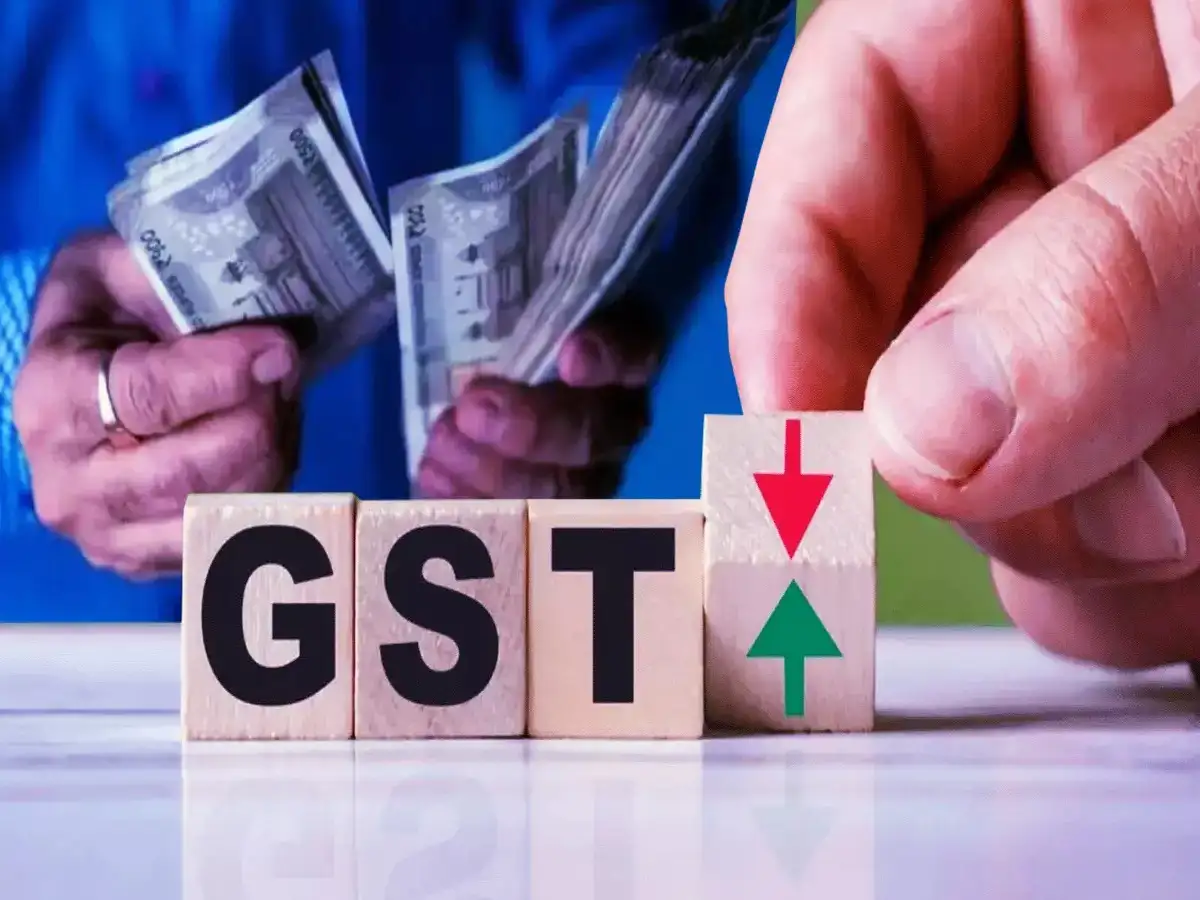

In a significant shake-up of India’s indirect tax system, a new 40% GST (Goods and Services Tax) slab is set to come into force on September 22. This major reform will replace the current four-tier structure with a simpler three-bracket system of 5%, 18%, and the newly introduced 40%. The change marks the removal of the 12% and 28% GST brackets, and a reallocation of items into the remaining tiers.
The highest tax slab has been specifically designed for a range of “sin” and luxury goods, aiming to increase the tax burden on non-essential and high-end products. While some items in this new category will see an immediate price jump, others may have a delayed effect due to a complex web of existing taxes and industry-specific loans.
What’s Getting Hit with the New 40% GST?
The full list of products and services moving into the highest GST slab includes:
- Tobacco Products: This category includes a wide range of goods like cigarettes, cigars, pan masala, gutka, and chewing tobacco. However, the higher rate for pan masala and gutka will be implemented at a later date due to pending technical issues related to industry loans.
- Aerated & Sugary Drinks: All types of carbonated drinks, sugary beverages, and caffeinated sodas are now classified under the new 40% bracket.
- Luxury Vehicles & Motorcycles: This change will directly impact the price of high-end vehicles. The 40% rate applies to:
- Petrol cars with an engine capacity above 1200 cc.
- Diesel cars with an engine capacity above 1500 cc.
- Motorcycles with an engine capacity above 350 cc.
- Super-Luxury & Leisure Items: The highest tax bracket also extends to high-value purchases such as yachts and personal aircraft, including helicopters.
- Online Gambling: Services related to online gambling and gaming will also be subjected to the 40% GST rate.
The government’s move to streamline the tax system is expected to make many essential and consumer durable goods more affordable, as they will be shifted from the 28% slab down to 18% or even 5%. This change is aimed at simplifying tax compliance and boosting consumer spending on a broader range of products.