

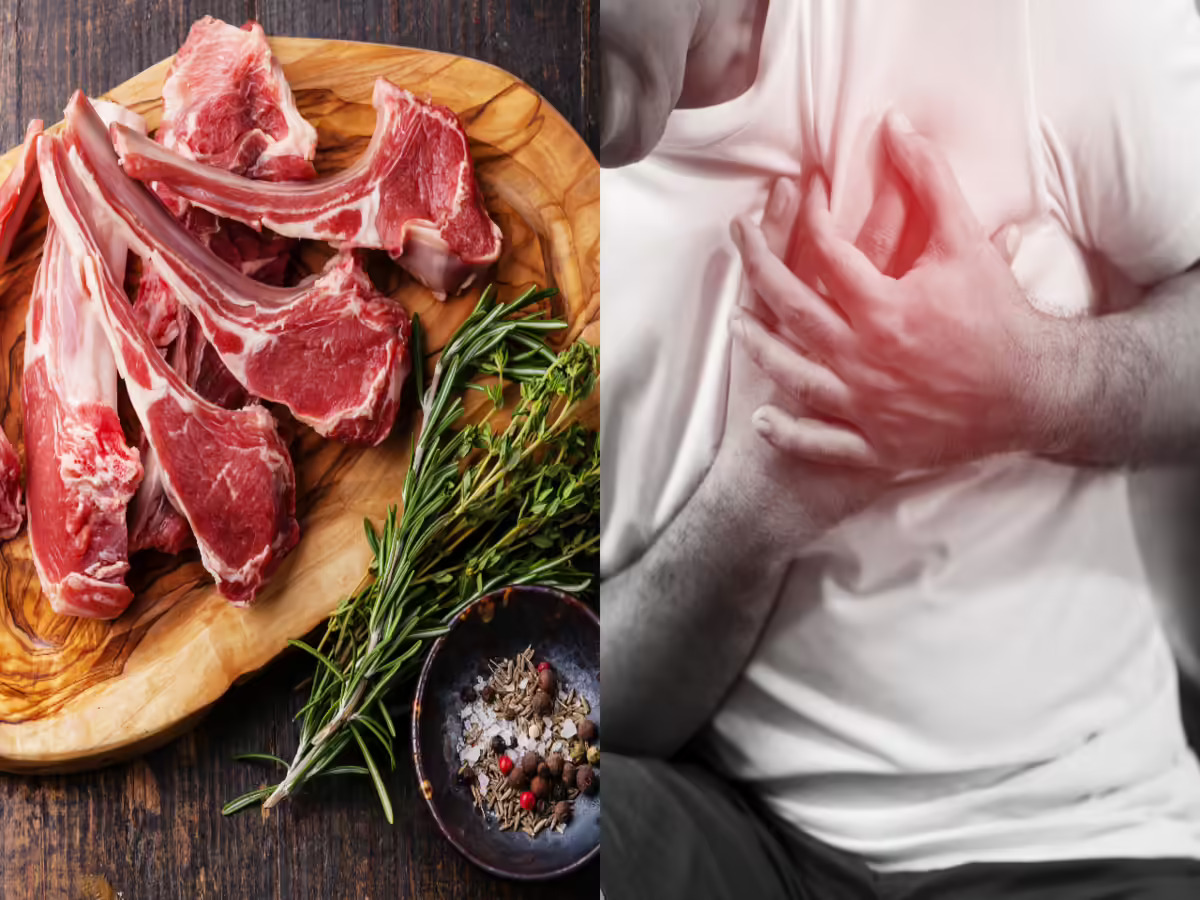

Considering a switch to a vegetarian lifestyle? You may be paving the way to a healthier gut and improved cardiometabolic wellness, says Dr Yasodh Kumar Reddy, a family physician and diabetologist at Apollo Clinic Velachery, Chennai. In a detailed conversation, Dr Reddy discussed how giving up meat reshapes the digestive system, enhances gut bacteria, and offers significant long-term health benefits — while also highlighting the nutritional risks that must not be ignored.
Plant-Based Diets Strengthen Gut Health
Dr Reddy explained that shifting to a vegetarian diet naturally increases the intake of dietary fibre and plant-based nutrients — two pillars of sound digestion and a thriving gut microbiome.
“Plant-based diets promote the growth of beneficial bacteria and help maintain a diverse, stable gut microbiome,” he said. “Bifidobacteria and lactobacilli — the ‘healthy’ microbes — feed on the fibre found in fruits, vegetables, whole grains, and legumes. During this process, they produce short-chain fatty acids (SCFAs), which reduce inflammation and build a protective barrier around the intestinal wall.”
He added that diets rich in fibre promote regular bowel movements, prevent constipation, and create more stable digestive processes. Polyphenols, abundant in plant-based foods, also reduce harmful gut bacteria, ease bloating, and support better overall digestive health.
Best Plant Foods for a Healthy Gut
According to Dr Reddy, several plant-based foods serve as excellent prebiotics and support robust gut bacteria. These include:
- Garlic, onions, leeks (rich in fructans and FOS)
- Oats and barley (high in beta-glucan soluble fibre that promotes SCFAs)
- Legumes such as beans, lentils, and chickpeas (rich fibre and resistant starch)
- Slightly unripe bananas
- Traditional Indian fermented foods including curd, chaas, lassi, idli, dosa, and kanji
- Kombucha, a fermented tea known for probiotic benefits
“These foods help nourish and replenish beneficial microbes in the gut,” Dr Reddy noted.
Temporary Bloating and Gas Are Normal
A sudden switch to vegetarian eating can sometimes cause digestive discomfort, including bloating and gas. Dr Reddy explained that this happens because gut bacteria require time to adjust to the increased fibre and complex carbohydrates.
“These components undergo fermentation in the gut, producing gas as a normal metabolic byproduct,” he said.
However, the body typically adapts within weeks. To minimize discomfort, Dr Reddy recommended gradually increasing fibre intake, staying hydrated, and incorporating probiotic-rich foods to support gut adjustment.
Long-Term Advantages — and the Risks
On long-term outcomes, Dr Reddy confirmed that a balanced vegetarian diet offers strong cardiometabolic benefits. “High-fibre, nutrient-rich plant foods help lower LDL cholesterol, blood pressure, obesity, hypertension, and type 2 diabetes,” he explained. “Such diets are associated with lower cardiovascular morbidity and mortality.”
But he cautioned that poorly planned vegetarian or restrictive vegan diets can lead to deficiencies in:
- Vitamin B12
- Iron
- Calcium
- Omega-3 fatty acids
Such deficiencies may increase the risk of bone fractures, metabolic issues such as insulin resistance or dyslipidaemia, and even hemorrhagic stroke.
Therefore, Dr Reddy stressed the importance of ensuring adequate intake of these essential nutrients — either through proper food planning or supplementation — to sustain long-term digestive and overall health.
Note to readers: This article is for informational purposes only and does not substitute professional medical advice.