

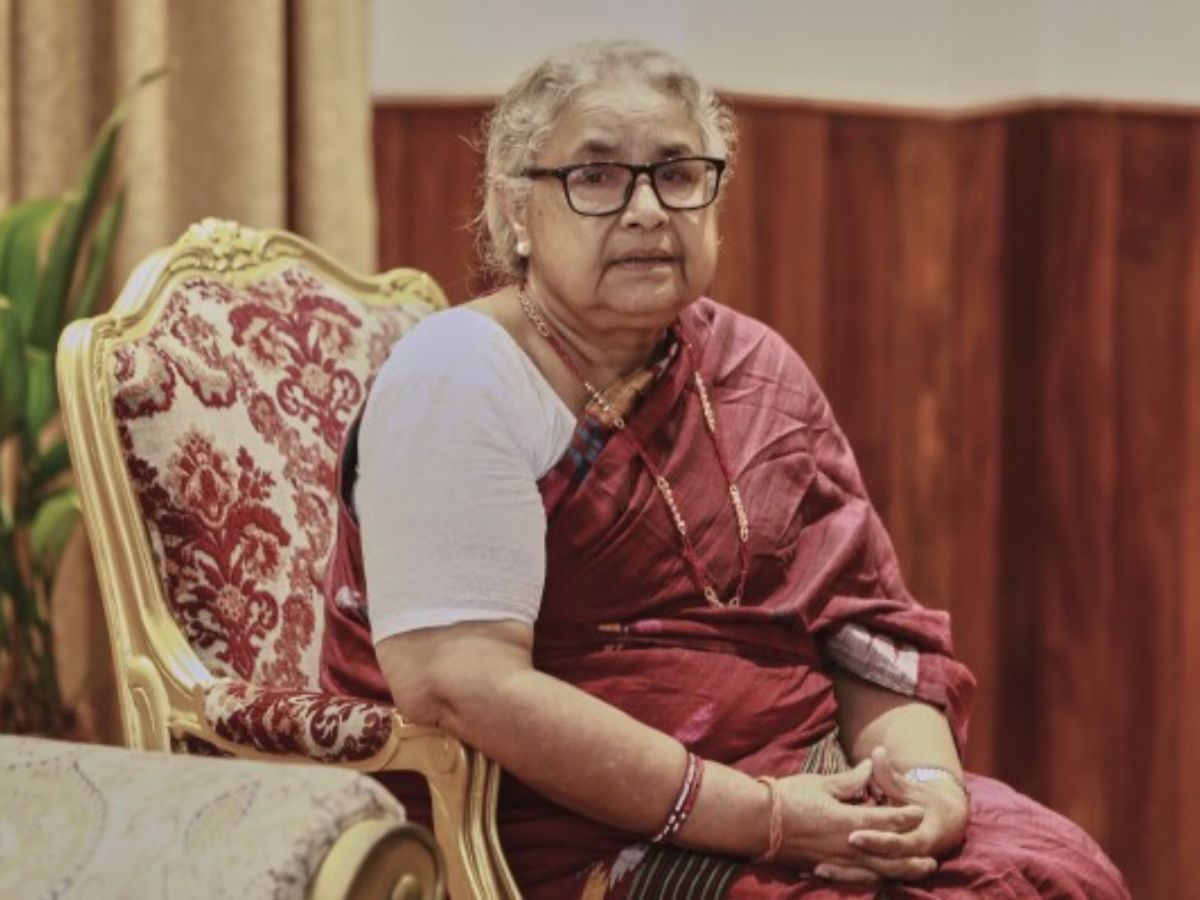

In a landmark move aimed at healing a nation fractured by political violence, Nepal’s newly appointed interim Prime Minister Sushila Karki announced on Sunday that those killed during the recent youth-led “Gen Z” uprising would be officially recognized as martyrs. In her first national address, Karki offered her condolences to the victims’ families and pledged state support, signaling a new government that is more in tune with the demands of its people.
The announcement came just days after a massive, youth-led revolt forced the resignation of the previous government under Prime Minister KP Sharma Oli. What began on September 8 as a protest against a social media ban quickly escalated into a widespread movement against deep-seated corruption, economic inequality, and political instability. The unrest left at least 51 people dead and over 1,300 injured, leading to a nationwide curfew and a state of chaos.
“I am deeply pained by the loss suffered by families, especially those who lost school- and college-going children,” Karki said in her address. “Those killed in the crackdown on the Gen Z Revolution will be declared martyrs. Their families will receive financial aid of Rs 10 lakh, and assistance will also be extended to the injured.”
The 73-year-old former Chief Justice and Nepal’s first woman Prime Minister stressed that her administration was not formed to cling to power but to act as a stabilizing force during a volatile transition. “My team and I are not here to taste power. We will not stay beyond six months. We will hand over responsibility to the new parliament. We won’t succeed without your support,” Karki stated, urging a unified effort to rebuild the nation.
Karki noted the unprecedented nature of the protests, calling the 27 hours of continuous demonstrations a “first in Nepal.” She acknowledged that the movement’s core demands are for “economic equality and the eradication of corruption” and promised that those involved in acts of vandalism would be investigated.
Her comments also highlighted the deep financial challenges facing the country. “All stakeholders must come together to rebuild Nepal. We will not give up. We will work to restore our nation,” she said, appealing to all sectors of society to contribute to the recovery.
The appointment of Karki, a figure admired for her anti-corruption stance, is seen as a direct response to the demands of the youth movement, which had called for a fresh face to lead the country. Her public recognition of the protesters as martyrs and her commitment to a six-month transition period underscore a new government determined to bridge the gap between the political establishment and a disillusioned younger generation.