

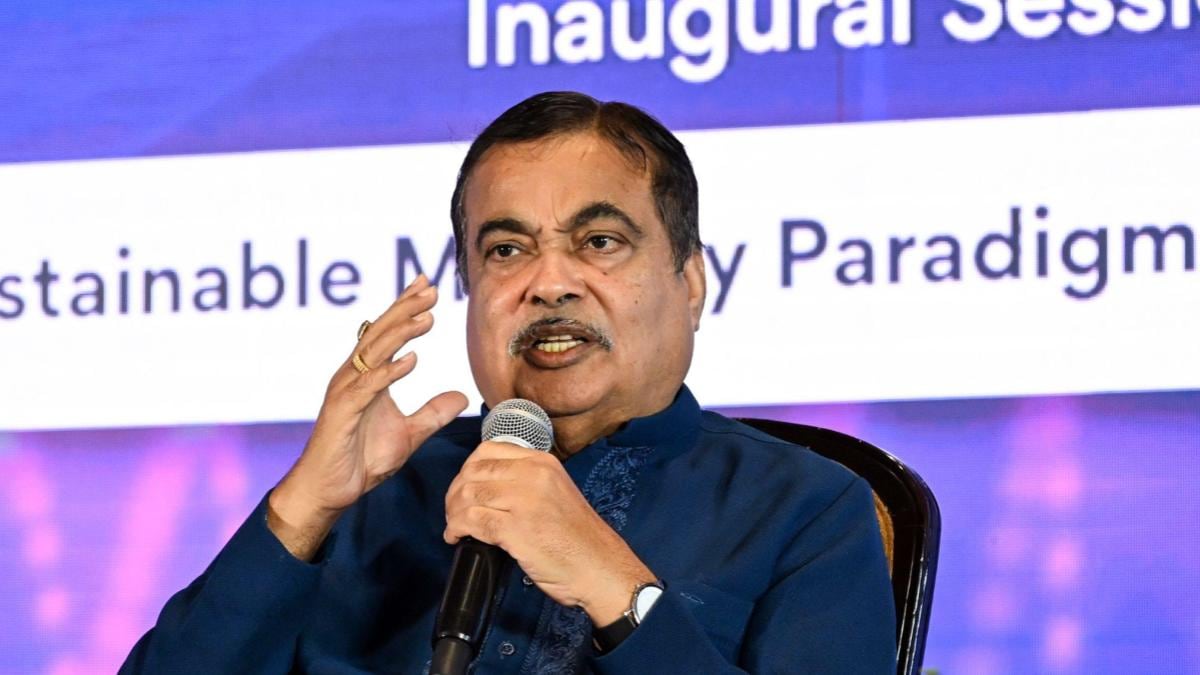

NEW DELHI – In a major push for road safety and sustainable infrastructure, Union Minister for Road Transport and Highways Nitin Gadkari announced a stringent new regulatory framework for sleeper coach buses on Thursday, January 8, 2026. This follows a series of tragic fire accidents that claimed 145 lives over the past six months.
Gadkari also celebrated a “historic milestone” on Wednesday, January 7, as India became the first country in the world to commercially produce bio-bitumen from agricultural waste.
1. Strict New Safety Norms for Sleeper Buses
The government has effectively taken control of the sleeper bus manufacturing sector to curb safety violations and corruption.
- Mandatory Accreditation: Sleeper coach buses can now only be manufactured by established automobile companies or facilities specifically accredited by the Central Government. Local, manual bodybuilders are no longer permitted to construct these vehicles.
- Retrofitting Requirements: All existing sleeper buses must be retrofitted with:
- Fire Detection Systems: To prevent a recurrence of fatal fires.
- Emergency Exits with Hammers: Including mandatory emergency lighting for better visibility during evacuations.
- Driver Drowsiness Indicators: An alarm system to alert the driver immediately if they show signs of fatigue.
- V2V Technology: Gadkari also announced the upcoming introduction of Vehicle-to-Vehicle (V2V) communication technology (utilizing the 5.875-5.905 GHz band) to alert drivers about the location and braking of nearby vehicles in real-time.
2. Bio-Bitumen: A “Waste-to-Wealth” Milestone
At a CSIR Technology Transfer Ceremony, the Minister highlighted bio-bitumen as a cornerstone for the Viksit Bharat 2047 vision.
- Economic Impact: Blending 15% bio-bitumen with traditional bitumen could save India nearly ₹4,500 crore in foreign exchange and reduce dependence on imported crude oil (which currently costs ₹25,000–30,000 crore annually).
- Environmental Benefit: By using agricultural residues like rice straw (parali), the technology will significantly reduce the toxic air pollution caused by crop stubble burning in North India.
- Rural Empowerment: The initiative is expected to boost the rural economy by providing farmers with a value-driven outlet for agricultural waste, offering an estimated income of ₹1,500–2,000 per tonne.
3. Major Expressway Updates
- Delhi-Dehradun Expressway: Gadkari confirmed that the 210-km expressway is likely to open for the public in the next 10-15 days (by late January or early February 2026). It will reduce travel time from 6.5 hours to just 2.5 hours.
- Delhi-Mumbai Expressway: The full stretch is expected to be operational by 2027–28.
- New Projects: A second Mumbai-Pune Expressway is also in the pipeline to de-congest the current route.