

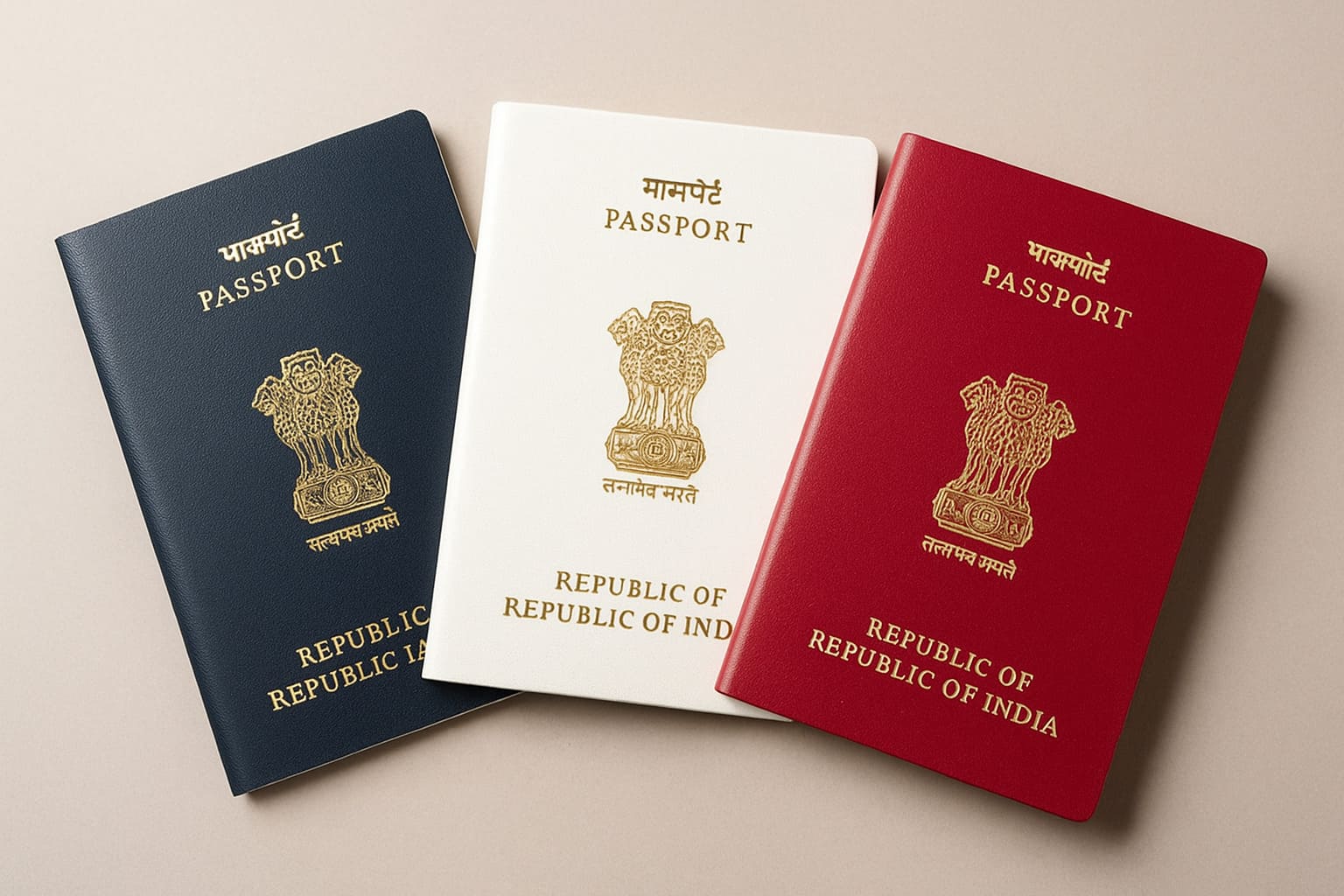

The recent viral post by London-based software developer Kunal Kushwaha has struck a chord with millions of Indians working globally. His frustration centers on a single concept: friction. Despite having the financial means and professional status, Kushwaha highlighted how the Indian passport fundamentally limits “normal human travel” through excessive bureaucracy and restrictive rules.
The “90/180” Schengen Trap
Kushwaha’s specific struggle with visiting a friend in Ireland highlights a common misunderstanding of the Schengen 90/180 Rule.
- The Rule: Non-EU citizens can stay in the Schengen Area for a maximum of 90 days within any rolling 180-day period.
- The Conflict: Kushwaha had recently travelled to Berlin. Under the rolling window, those days were deducted from his “allowable” stay.
- The Ireland Twist: While Ireland is in the EU, it is not in the Schengen Area. However, for an Indian citizen living in the UK or elsewhere, applying for an Irish visa often requires proving a certain number of “remaining days” on your current residency or having a clear travel history, which was complicated by his recent German trip and the exhaustion of his mental “bandwidth” for yet another visa application.
Passport Power: India in 2025
The frustration is backed by data. According to the Henley Passport Index 2025, India’s global mobility has seen a slight decline in relative standing.
| Metric | 2024 Performance | 2025 Performance |
| Global Rank | 80th | 85th |
| Visa-Free/VoA Destinations | 62 | 57 |
| Top Rank | Singapore (193) | Singapore (193) |
Key Takeaway: While India has added a few nations like Thailand and Malaysia to its visa-free list recently, other nations are expanding their diplomatic reach faster, causing India to slip in the overall rankings.
The “Full-Time Job” of Documentation
Kushwaha described Schengen applications as a “full-time job.” For Indian applicants, the requirements are often more stringent than for other nationalities:
- Financial Scrutiny: 3–6 months of bank statements, ITR (Income Tax Returns), and salary slips.
- Cover Letters: A detailed day-by-day itinerary explaining every movement.
- Double Submissions: Providing the same documents at the VFS center that were already uploaded digitally.
- The “Queue” Experience: Watching citizens of Singapore, Japan, or the UAE use “E-gates” while Indian travelers wait hours for manual stamping.
Beyond Travel: The “Domestic Friction”
The techie also pointed out that the friction isn’t just international. He cited:
- Antiquated Banking: Repetitive KYC (Know Your Customer) processes that require physical presence or endless paperwork despite India’s digital push (UPI).
- Economic Value: The depreciating value of the Rupee (₹) making international travel progressively more expensive.
- Quality of Life: Issues like deteriorating air quality in major Indian hubs.
Conclusion: For the global Indian professional, the passport is increasingly seen as a “bottleneck” to career and personal growth, leading many to explore long-term residency or citizenship in countries with higher mobility.