


Israeli Forces Expose Hezbollah’s Military Buildup Amid Rising Tensions and Criticism of UNIFIL’s Effectiveness
Jerusalem [Israel], December 29: As the ceasefire between Israel and Hezbollah enters a fragile phase, the Israeli Defence Forces (IDF) continue to uncover substantial caches of weapons hidden within civilian areas in southern Lebanon. These findings highlight ongoing concerns about Hezbollah’s military buildup and its use of civilian infrastructure for strategic purposes.
Military Discoveries in Civilian Areas
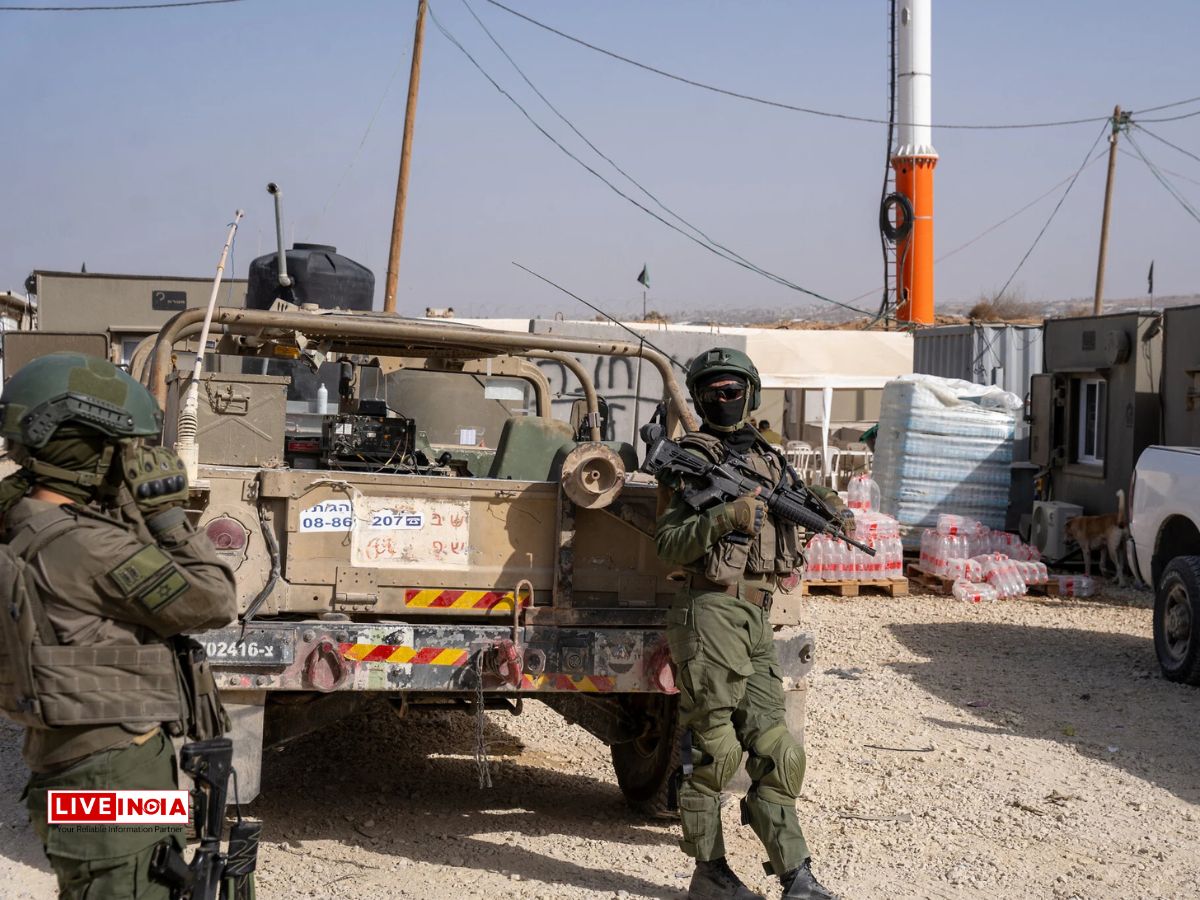
On Friday, the IDF’s 226th Brigade discovered a truck-mounted rocket launcher system with 40 barrels near Naqoura, close to the Israeli border. Additional weapons, including explosives, RPG missiles, and rifles, were found hidden inside a pharmacy, while underground facilities were stocked with Burkan missiles ready for deployment.
The IDF also targeted Hezbollah’s Unit 4400 through an airstrike on Friday. This unit is responsible for smuggling weapons from Iran through Syria into Lebanon. The IDF described these operations as critical to disrupting Hezbollah’s rearmament efforts.
Hezbollah’s Strategic Intentions
Sarit Zahavi, President of the Alma Research Center, described Hezbollah’s strategy as a military operation disguised within civilian villages. She emphasized that Hezbollah is not merely rebuilding damaged infrastructure but also strengthening its military presence under the guise of civilian rehabilitation.
“They’ve set up a command center in southern Lebanon to map damages, assist residents, and rebuild infrastructure,” Zahavi explained, warning of the group’s preparations for future conflict.
Rising Tensions Between IDF and UNIFIL
The discoveries have reignited tensions between the IDF and the United Nations Interim Force in Lebanon (UNIFIL). On December 26, UNIFIL urged both parties to respect the ceasefire and adhere to UN Security Council Resolution 1701, which prohibits Hezbollah from operating south of the Litani River.
“Any actions that risk the fragile cessation of hostilities must cease,” read a UNIFIL statement, emphasizing its role in maintaining peace.
However, Zahavi criticized UNIFIL’s effectiveness, accusing the mission of failing to prevent Hezbollah from embedding weapons in civilian areas. “Much of Hezbollah’s military infrastructure was built in plain sight under UNIFIL’s watch,” she added.
IDF Responds to Criticism
In response, the IDF reiterated its commitment to adhering to ceasefire agreements, while maintaining its operations to neutralize threats to Israel’s security.
“The IDF operates in accordance with the agreements and understands the importance of maintaining the ceasefire. However, we will not allow southern Lebanon to become a launching pad for attacks on Israeli citizens,” the IDF stated.
A Tenuous Peace
The ceasefire agreement, implemented on November 27, requires Hezbollah to withdraw its forces south of the Litani River and mandates the Lebanese Armed Forces (LAF) to secure the region with oversight from UNIFIL monitors.
Despite these measures, Zahavi expressed concerns about the tenuous nature of the ceasefire and the deep fear among northern Israeli communities.
“There’s a deep fear here in North Israel about what will happen once the ceasefire ends,” she said, reflecting the ongoing unease in the region.
Conclusion
As both sides navigate the fragile peace, the IDF’s ongoing operations and Hezbollah’s continued military activities suggest that long-term stability remains uncertain. The international community will closely watch whether Resolution 1701 can be effectively enforced or if southern Lebanon will continue to serve as a powder keg for future conflicts.