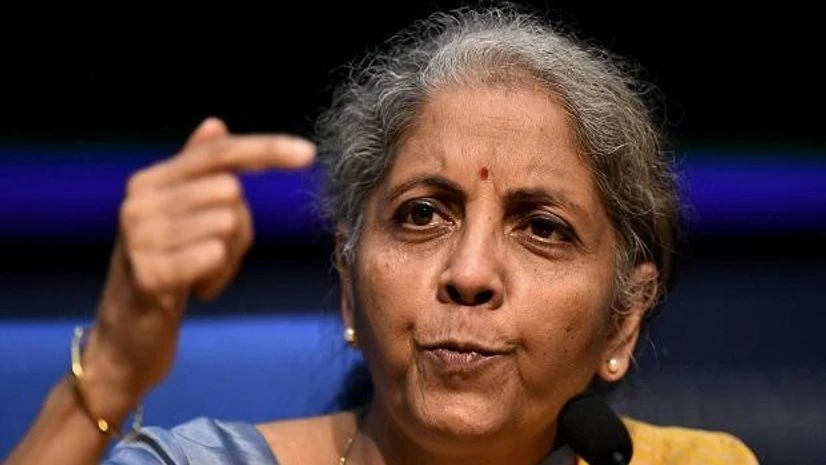
NEW DELHI — The question of whether alcohol for human consumption and petroleum products will ever be included under the Goods & Services Tax (GST) regime was addressed by Finance Minister Nirmala Sitharaman at the NDTV Profit GST Conclave on Tuesday. Her response was clear: the decision rests entirely with the states.
“Liquor coming under GST is entirely dependent on the states… It is up to the states. I can’t comment,” she said.
This statement highlights the central reason these two sectors have remained outside the ambit of GST since its introduction in 2017. For state governments, taxes on liquor and petroleum products are among their highest revenue generators. Currently, these goods are subject to separate taxes, such as state-level excise duties and Value Added Tax (VAT), giving states direct control over their fiscal resources. Bringing them under a unified GST would mean a share of this revenue would go to the central government, a prospect many states have been unwilling to accept.
Meanwhile, the new GST reforms, which were approved by the GST Council on September 3, have introduced a simplified tax structure with two main slabs: a standard rate of 18% and a merit rate of 5%. In addition to this, a special 40% demerit rate has been applied to a select list of “sin goods” and super-luxury items. These include cigarettes, chewing tobacco, gutka, and zarda, as well as non-alcoholic aerated and caffeinated beverages, and fruit drinks.
Sitharaman reiterated that these comprehensive reforms, which represent the most significant overhaul of India’s consumption tax system since 2017, were a result of a process that has been in the making for the past 18 months. She firmly stated that their timing had nothing to do with the recent imposition of tariffs by the United States.
While the new tax structure is set to make a wide range of essential and luxury goods more affordable for consumers, the exclusion of alcohol and petroleum products means that their prices will continue to be determined by individual state policies, with no immediate relief in sight for consumers from a unified tax regime.
Finance Minister Clarifies Why Alcohol And Petroleum Remain Outside GST