



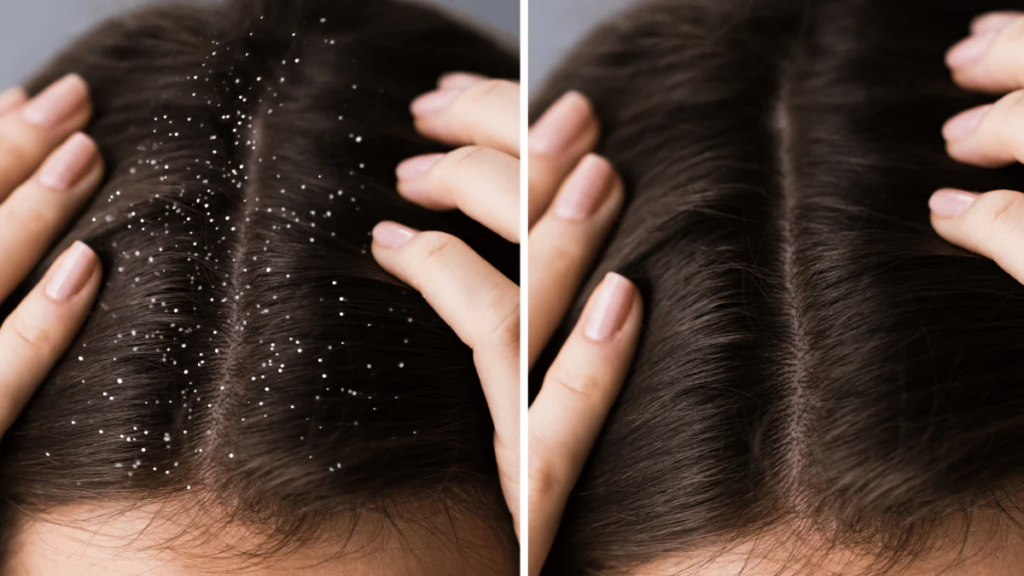
Those white specks on your favorite black sweater are more than just a nuisance—they are a message from your scalp. However, most people misread the signal. According to hair experts, treating dry skin like a fungal infection (and vice versa) is a leading cause of chronic scalp irritation.
The Great Flake Debate: How to Tell the Difference
While they look similar at a glance, dandruff and dry scalp have polar-opposite causes.
| Feature | Dry Scalp | Dandruff |
| Appearance | Small, fine, white, and powdery. | Larger, thick, oily, and yellowish/grey. |
| Cause | Lack of moisture/hydration. | Fungal overgrowth (Malassezia) feeding on oil. |
| Triggers | Cold weather, hot showers, harsh soaps. | Excess oil, stress, hormonal changes. |
| Scalp Feel | Tight and dry. | Greasy and persistently itchy. |
Why the Wrong Treatment Backfires
“Not knowing the difference is one of the most common mistakes we make when self-treating,” says Ritu Vijayvergiya, co-founder of 2.Oh!. The danger lies in the “remedy” actually fueling the problem:
- The Oiling Trap: If you have a dry scalp, a light oil treatment can help. If you have dandruff, stop oiling immediately. Fungi thrive on oil; adding more is like “feeding the beast,” leading to more inflammation and flakes.
- The Shampoo Sabotage: Anti-dandruff shampoos are designed to strip oils and kill fungi. If used on a dry scalp, they destroy the skin’s natural moisture barrier, leaving your scalp even thirstier and flakier than before.
Expert-Recommended Solutions
- For Dry Scalp: Switch to gentle, sulfate-free shampoos containing hydrating ingredients like glycerine. Avoid scalding hot water and reduce the frequency of chemical treatments.
- For Dandruff: Look for medicated formulas containing Ketoconazole, Zinc Pyrithione, or Selenium Sulphide. These active ingredients target the fungal overgrowth at the source.
When to Seek Help
If your flakes are accompanied by intense redness, crusting, or hair loss, it’s time to put down the store-bought bottles. Dermatologist Dr. Surbhi Deshpande notes that flakes are often a symptom of underlying inflammation. If home adjustments don’t work within a few weeks, a professional diagnosis is essential to prevent long-term damage to the hair follicles.