

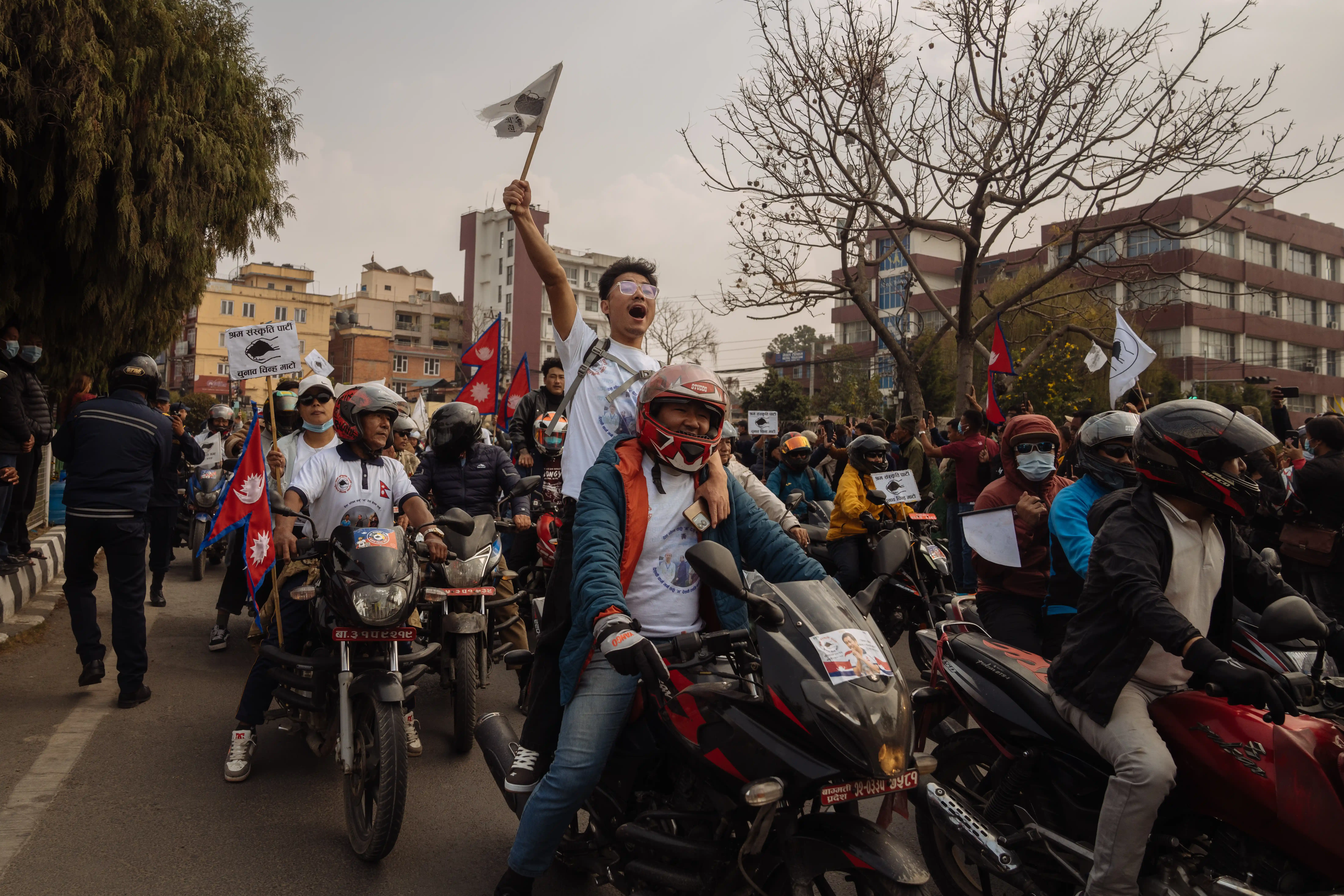

KATHMANDU — In a historic moment for the Himalayan nation, voters in Nepal have begun casting their ballots today, Thursday, March 5, 2026. This marks the first general election since the massive student-led anti-corruption movement—dubbed the “Gen Z Protests”—brought down the KP Sharma Oli administration in September 2025.
The country is currently under the stewardship of an interim government led by former Chief Justice Sushila Karki, who has successfully met the six-month deadline to organize these high-stakes polls.
1. The Stakes: A Battle for the House
Approximately 19 million eligible voters are set to pick the 275 members of the House of Representatives. The outcome will not only determine the next Prime Minister but also signal whether the youth-led political awakening will translate into a new era of governance or a return to traditional party dominance.
2. Understanding the Mixed Electoral System
Nepal employs a complex dual-voting mechanism designed to ensure both local accountability and national inclusivity.
- First-Past-The-Post (FPTP): 165 seats are decided by direct contest. The candidate with the most votes in each of the 165 constituencies wins the seat.
- Proportional Representation (PR): The remaining 110 seats are allocated based on the total percentage of votes a political party receives nationwide. Voters cast a separate ballot specifically for a party, ensuring smaller parties have a voice in the legislature.
3. The Logistics: Mountain Air-Lifts and Hand-Carried Ballots
Nepal’s unique geography presents a significant hurdle for the Election Commission.
- Challenging Terrain: In remote Himalayan districts, ballot boxes must be carried by hand down steep mountain passes or airlifted by helicopters.
- Result Timeline: Officiating Chief Election Commissioner Ram Prasad Bhandari has promised FPTP results within 24 hours of box collection. However, the full PR tally—which decides 40% of the house—is expected to take an additional two to three days.
4. Why the Delay?
While the 2022 elections took over two weeks to finalize, officials are aiming for a faster turnaround in 2026. Delays typically occur due to:
- Disputed Validity: Party representatives at counting centers often challenge individual ballots, leading to recounts.
- Logistics: The time taken to transport boxes from high-altitude polling stations to district headquarters.
Nepal Election 2026: At a Glance
| Feature | Detail |
| Total Seats | 275 (165 FPTP + 110 PR) |
| Eligible Voters | ~19 Million |
| Interim Head | Sushila Karki (Former Chief Justice) |
| Key Catalyst | September 2025 “Gen Z” Anti-Corruption Protests |
| Result Expectation | FPTP: Within 48-72 hours; PR: Within 5 days |