

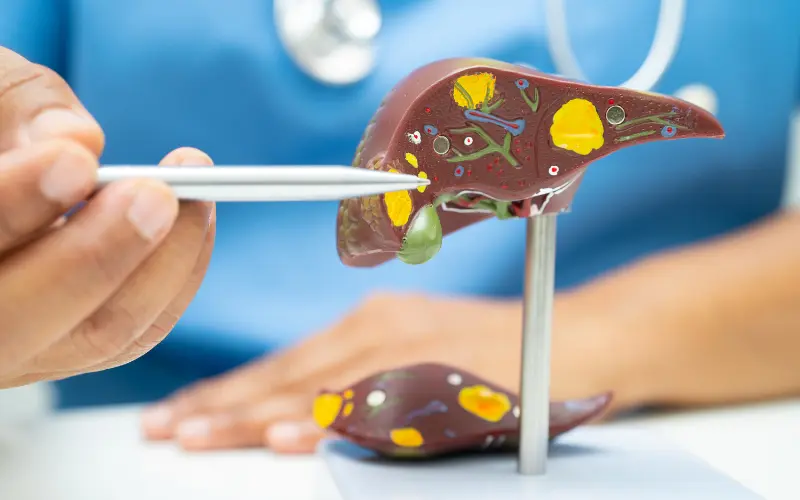

When people are diagnosed with fatty liver, the most common advice they receive is to cut down on sugar. Excess sugar, fructose, refined carbohydrates, and sugary drinks are widely known to contribute to fat accumulation in the liver.
However, health coach Luke Coutinho says sugar is only one part of the problem. He warns that sedentary lifestyles, chronic stress, sleep deprivation, smoking, vaping, alcohol consumption, ultra-processed foods, and constant snacking are often overlooked contributors to fatty liver disease.
In an Instagram post, Coutinho highlighted that fatty liver usually develops due to chronic lifestyle overload, where poor diet, high stress, low physical activity, and inadequate recovery exceed the body’s ability to cope.
“The liver is resilient, but it has limits,” he wrote.
Oil: The Overlooked Culprit in Indian Diets
Coutinho also pointed to excessive oil consumption as a major but neglected factor, especially in Indian households. He explained that generous oil use in cooking, frequent deep frying, oil-heavy street food, and restaurant meals significantly increase calorie intake.
“One tablespoon of oil has around 120 calories, and many meals use three to six tablespoons,” he noted. “Calories don’t announce themselves. Oils, sauces, repeated snacking, late dinners, and weekend indulgences all stack up metabolically.”
While fats like ghee, butter, cold-pressed oils, olive oil, and seed oils can be part of a healthy diet, overconsumption can still lead to calorie surplus, liver fat storage, and metabolic dysfunction.
“The liver doesn’t label fats as healthy or unhealthy. It responds to load,” Coutinho explained.
Indians at Higher Risk
Coutinho warned that Indians are particularly vulnerable to fatty liver due to high-carb diets, high-fat cooking methods, low muscle mass, sedentary habits, poor sleep, and chronic stress. He also stressed that fatty liver is not limited to overweight individuals.
Nearly one in three Indians may have non-alcoholic fatty liver disease (NAFLD), including about 28% of people with normal body weight. Indians are genetically predisposed to storing fat viscerally and in organs, increasing risk even at normal weight.
How to Reverse Fatty Liver
Coutinho emphasised that fatty liver is a lifestyle disease and can be reversed with consistent changes. He recommended:
- Measuring oil intake consciously
- Avoiding deep-fried foods regularly
- Prioritising protein and fibre
- Building muscle mass
- Walking daily
- Improving sleep quality
- Reducing stress
- Eating whole, minimally processed foods
- Developing calorie awareness
“The liver heals when overload stops,” he concluded.
Disclaimer:
This content is for general informational purposes only and is not a substitute for professional medical advice.