

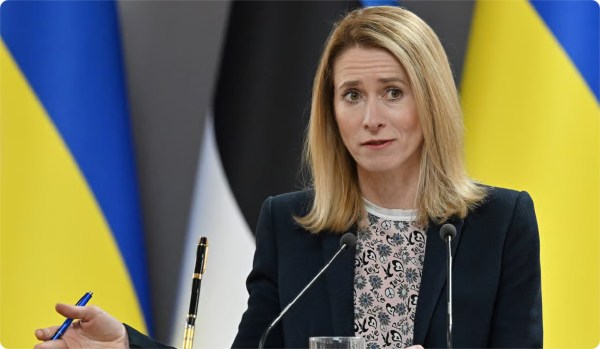

The European Union made its most important effort yet to change the trajectory of the conflict in Gaza on Wednesday by announcing a harsh new plan to put pressure on Israel. Kaja Kallas, the EU’s foreign policy leader, made the suggestion public. It comes as Israeli troops continue to press deep into the coastal enclave, causing a huge exodus of Palestinians.
The 27 member nations still need to vote on the proposed measures, which include raising tariffs on some Israeli goods, freezing assets, and stopping Israeli settlers from traveling, as well as two members of Prime Minister Benjamin Netanyahu’s Cabinet: National Security Minister Itamar Ben-Gvir and Finance Minister Bezalel Smotrich. The plan also says that 10 Hamas leaders should be punished.
Kallas said at a press conference in Brussels, “We are suggesting these steps not to punish Israel or its people, but to really try to pressure the Israeli government to change course and end the suffering in Gaza.” She made it clear that the goal is to end the conflict, stop the pain, and free all the captives.
Israel’s biggest commercial partner is the EU, and the proposed levies might have a big effect on its economy. About €230 million in tariffs would be added to 37% of the €15.9 billion worth of Israeli goods that the EU imports. This would put a stop to the zero-tariff preference that has been in place since the EU-Israel Association Agreement was signed. The EU’s diplomatic corps says that Israel has broken Article 2 of this agreement, which is about human rights, because of what it has done in Gaza and the West Bank.
This new plan shows that the EU has changed its mind. Last week, Ursula Von der Leyen, the president of the European Commission, who had previously been quite pro-Israel, asked Europe to put pressure on Israel to end its military campaign. Israel, on the other hand, has strongly criticized the initiative. Gideon Saar, the foreign minister, wrote a letter to Von der Leyen saying that she was helping a terrorist group and that Israel “will not be bent through threats.”
The EU is still split on the subject, and it’s not certain if the idea will get the backing it needs. Some nations, like Spain and Ireland, have called for greater sanctions, such an arms embargo. Others, like Germany and Hungary, have historically been more supportive of Israel. The violence in Gaza, which has killed more than 65,000 Palestinians, has made people in Europe more angry and pushed Brussels to do something more important.