

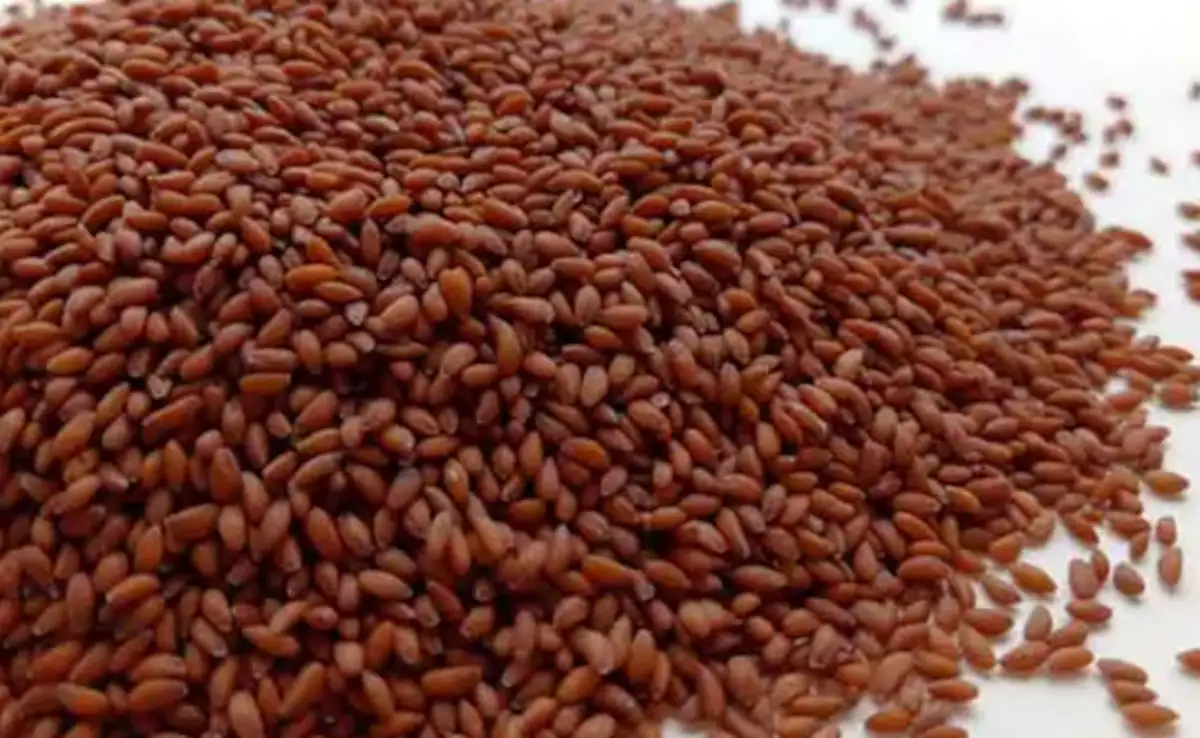

Aliv seeds, also known as garden cress seeds, have gained popularity as a superfood due to their rich nutritional profile and potential health benefits. However, health experts are now warning that consuming these tiny seeds in large quantities can do more harm than good.
Nutritionist Palak Nagpal has raised concerns about the growing trend of adding a full spoon of aliv seeds to daily meals. In a post shared on Instagram, she explained that although aliv seeds are powerful and beneficial, they should not be consumed like a regular topping. “Seeing a lot of people add a full spoon of aliv daily and then wondering why their stomach feels off. It’s actually a very powerful seed—just not meant to be eaten like a regular topping. With foods like this, quantity decides whether it supports you or irritates you,” she wrote.
According to her, small, soaked portions combined with the right foods can support gut health, but random large amounts can irritate the digestive system. “Sometimes the problem isn’t the food, it’s the dose,” she added.
Side Effects of Eating Too Many Aliv Seeds
1. Digestive Distress
Garden cress seeds are extremely high in fibre and mucilage, which can ferment in the gut when consumed in excess. While small amounts support digestion, large doses can overload the gut, causing bloating, heaviness, gas, cramps, loose motions, or constipation.
2. Thyroid Dysfunction
Aliv seeds contain goitrogens—compounds that interfere with iodine absorption by the thyroid gland. Excessive consumption can reduce thyroid hormone production and may trigger or worsen hypothyroidism.
3. Pregnancy Risks
Overconsumption of aliv seeds can be dangerous during pregnancy. The seeds have abortifacient properties, meaning they can stimulate uterine contractions and increase the risk of miscarriage or premature delivery.
The Right Way to Consume Aliv Seeds
Palak Nagpal recommends consuming only ¼ teaspoon of aliv seeds soaked in water, combined with healthy fats such as milk, coconut, nuts, or ghee. She suggests limiting intake to three to four times a week for safe and effective benefits.
“Healthy doesn’t mean unlimited. It nourishes only in the right amount and with the right food combination,” she emphasised.
Disclaimer: This content is for general informational purposes only and should not be considered a substitute for professional medical advice.