

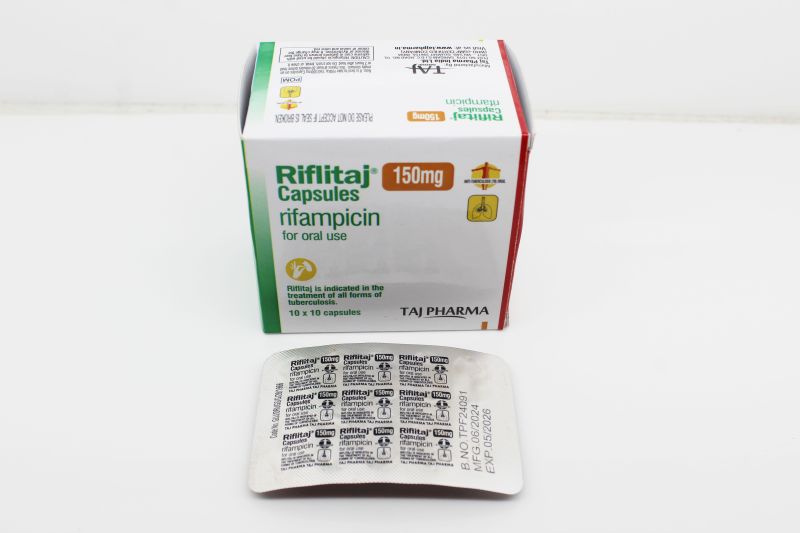

New Delhi [India]: India is set to enhance its pharmaceutical self-reliance with the commissioning of Rifampicin, a key anti-tubercular drug, expected later this year, according to official sources.
Rifampicin’s Role in TB Treatment
- Rifampicin is a first-line treatment for tuberculosis (TB), a disease that remains a major public health concern in India.
- The drug is vital for controlling the spread of TB, reducing morbidity, and improving treatment outcomes.
- India imported Rifampicin worth ₹77 crore during FY 2023-24, highlighting the need for domestic production to ensure consistent supply.
Key Developments in Pharmaceutical Production
In addition to Rifampicin, the government is set to commission production of other essential medicines, including:
- Prednisolone – used for asthma, allergies, and immune disorders.
- Dexamethasone – widely used in severe COVID-19 cases and other inflammatory conditions.
- Betamethasone – critical for improving lung maturity in premature infants.
These drugs are part of the National List of Essential Medicines and are vital for managing common yet critical health conditions.
Boosting Domestic Manufacturing with PLI Scheme
Under the Production Linked Incentive (PLI) Scheme for Bulk Drugs, Natural Biogenex Private Limited is establishing production facilities in Tumkur, Karnataka, with a capacity of 10-15 MT/annum for Prednisolone, Dexamethasone, and Betamethasone.
At optimal production, these projects are expected to contribute approximately ₹150 crore annually to the domestic supply chain, reducing reliance on imports and supporting India’s self-reliance goals.
Strengthening Fermentation Technology
- India’s pharmaceutical sector, valued at $50 billion, heavily depends on imported bulk drugs, particularly those produced via fermentation technology.
- During the COVID-19 pandemic, supply chain vulnerabilities exposed India’s reliance on critical imported materials.
- The PLI scheme has supported 34 projects with investments exceeding ₹4,200 crore to boost production of key APIs (Active Pharmaceutical Ingredients) like Penicillin-G, Clavulanic Acid, and materials essential for antibiotics.
Conclusion
By promoting domestic manufacturing through the PLI scheme, India aims to reduce its dependence on imports, ensure a steady supply of essential medicines, and strengthen its position as a global pharmaceutical leader.