

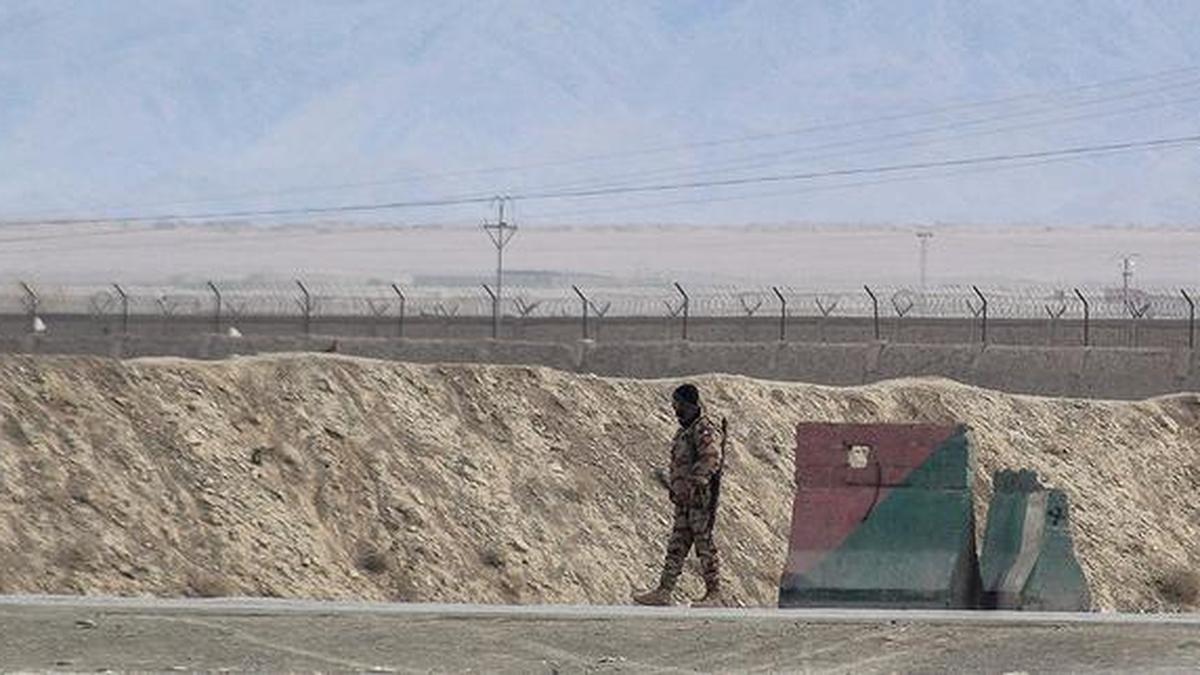

In a significant and deadly escalation of regional tensions, Pakistan launched coordinated cross-border airstrikes into Afghanistan late Saturday night and early Sunday morning, February 22, 2026. The strikes targeted seven specific “terrorist camps” that Pakistan claims are used by the Tehrik-e-Taliban Pakistan (TTP) and its affiliates to launch attacks on Pakistani soil.
The Military Operation
Pakistan’s Information Minister, Attaullah Tarar, confirmed the “intelligence-based, selective operations” were conducted with precision.
- The Justification: Islamabad cited “conclusive evidence” that recent suicide bombings—including a devastating attack on a Shiite mosque in Islamabad on February 6 that killed 31 worshippers—were orchestrated by handlers based in Afghanistan.
- The Immediate Trigger: The strikes followed a suicide attack on a military convoy in Bannu on Saturday, which killed two soldiers, including a Lieutenant Colonel.
- Target Groups: Along with the TTP (referred to by Pakistan as Fitna al Khwarij), hideouts belonging to the Islamic State-Khorasan Province (IS-KP) were also reportedly targeted.
Casualties and Regional Response
The Taliban-led government in Kabul has fiercely condemned the strikes, labeling them a “breach of international law.”
| Feature | Details |
| Locations Hit | Nangarhar and Paktika provinces (Districts: Khogyani, Ghani Khel, Behsud, and Barmal). |
| Casualties | Afghan spokesperson Zabihullah Mujahid stated “dozens” were killed and wounded, including women and children. |
| Damage | Local sources reported that a religious seminary (madrassa) in Paktika and several residential homes were struck. |
| Taliban’s Stance | Kabul denied providing sanctuary to militants and accused Pakistani generals of trying to deflect from their own security failures. |
A Fragile Peace Broken
This escalation effectively shatters a period of relative calm following a Saudi-mediated release of Pakistani prisoners just days ago. Relations had been strained since massive border clashes in October 2025, which resulted in over 70 deaths. While a ceasefire brokered by Qatar and Turkey had largely held until now, this direct military action marks the most serious confrontation between the two neighbors since the Taliban returned to power in 2021.+2