

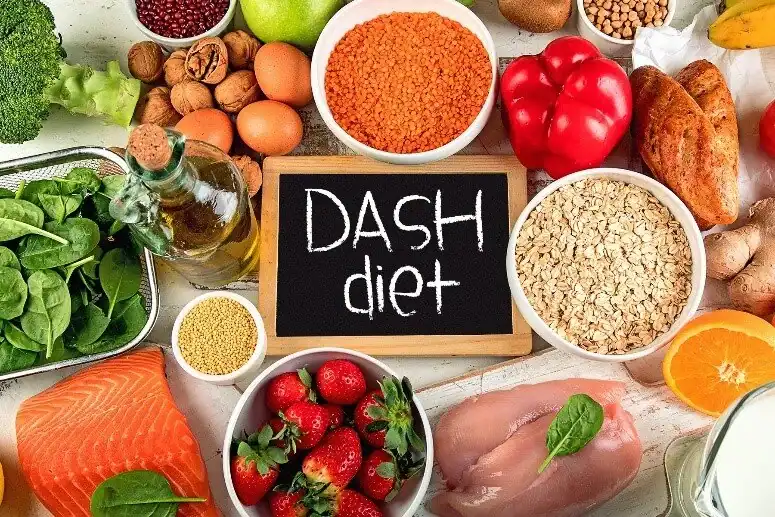

Hypertension, or high blood pressure, is a common lifestyle-related health issue, but experts say it can often be managed naturally with the right dietary choices. Dr Aastha Sharma, Chief Dietitian at Yatharth Super Speciality Hospital, recommends the DASH diet—Dietary Approaches to Stop Hypertension—as an effective, science-backed plan to improve heart health and regulate blood pressure.
Originally developed through large clinical trials, the DASH diet focuses on nutrient-dense, low-sodium foods that help reduce pressure on blood vessels. “The DASH diet is scientifically proven to lower blood pressure by improving overall cardiovascular health,” Dr Sharma explains.
How the DASH Diet Helps Control Blood Pressure:
- Reduces sodium intake, lowering fluid retention and pressure on blood vessel walls
- Boosts potassium, magnesium, and calcium, which help relax blood vessels
- Emphasises whole, unprocessed foods that reduce inflammation
- Clinical studies show improvements in systolic and diastolic blood pressure within two weeks
Key Components of the DASH Diet:
- Fruits and vegetables rich in potassium and antioxidants
- Whole grains like oats, brown rice, and whole wheat
- Low-fat or fat-free dairy products
- Lean proteins such as fish, poultry, and legumes
- Nuts, seeds, beans, and healthy oils like olive or canola
Sodium Guidelines:
- Standard DASH: Up to 2,300 mg sodium per day
- Lower-sodium DASH: Up to 1,500 mg per day, recommended for people with hypertension
Processed foods are the biggest contributors to excess sodium and should be limited.
Foods to Limit or Avoid:
- Packaged, salted, and processed foods
- Sugary drinks and desserts
- Full-fat dairy and fatty meats
- Fried foods, butter, and unhealthy oils
- Excess alcohol, which can raise blood pressure
Sample DASH Diet Plan:
- Breakfast: Oatmeal with banana and low-fat milk, herbal tea
- Mid-morning snack: Apple or sprouts
- Lunch: Brown rice or whole-wheat roti, grilled fish/chicken or lentils, mixed vegetables
- Evening snack: Unsalted roasted makhana
- Dinner: Steamed vegetables, lean protein, whole-grain chapati or quinoa, fresh fruit
Experts advise seasoning food with herbs and spices instead of salt and staying well hydrated.
Who Should Be Cautious:
The DASH diet may not be suitable for people with chronic kidney disease, advanced heart failure, low blood pressure, electrolyte imbalances, or uncontrolled diabetes without medical supervision.
Who Can Benefit Most:
- People with hypertension
- Those at risk of heart disease
- Adults seeking long-term heart health and weight control
- Anyone looking to adopt a balanced, nutrient-rich eating pattern
Always consult a healthcare professional before making major dietary changes.