

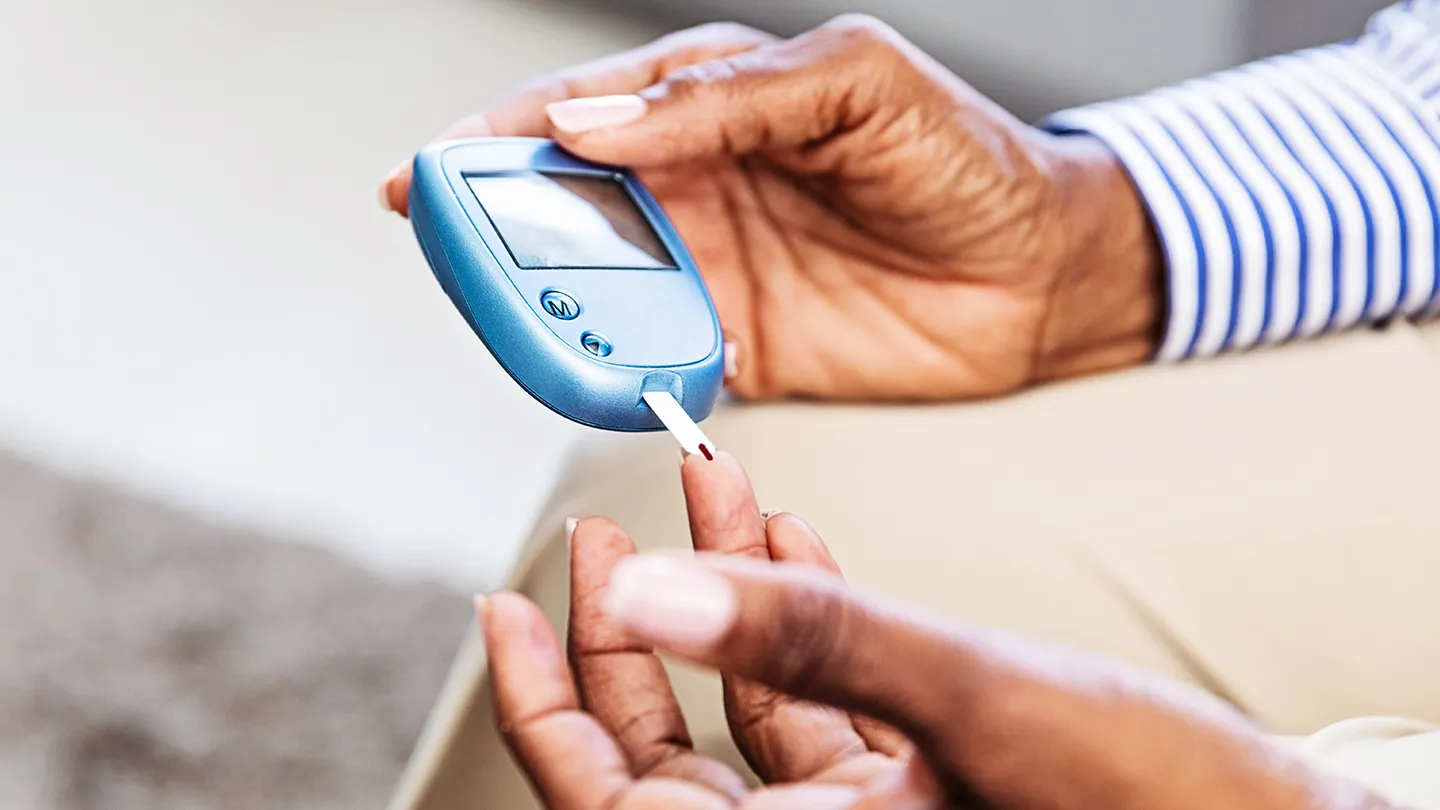

Diabetes occurs when the body’s blood sugar levels remain higher than normal. There are different types of diabetes, most commonly Type 1 and Type 2. While Type 1 diabetes is an autoimmune condition, Type 2 diabetes generally develops due to factors including genetics, excess body weight, poor diet, inactivity and impaired insulin function. In both conditions, either the pancreas fails to produce enough insulin or the body cannot use insulin effectively, causing sugar to accumulate in the bloodstream. If left unmanaged, diabetes can lead to serious organ damage and life-threatening complications.
According to the World Health Organization (WHO), around 14% of adults aged 18 and above were living with diabetes in 2022, and the condition was directly responsible for 1.6 million deaths in 2021. This highlights the urgent need to manage blood glucose effectively. Thankfully, blood sugar control is achievable through mindful dietary changes, healthy habits, and smart lifestyle choices. These steps help slow sugar absorption, improve insulin sensitivity, and maintain steady energy levels throughout the day.
Below are effective and doctor-recommended ways to prevent sugar spikes and maintain healthier blood sugar levels:
1. Eat Balanced Meals
Always pair carbohydrates with protein, healthy fats, and fibre in every meal. This slows digestion and prevents sudden blood sugar surges. For instance, combine whole grains like brown rice or quinoa with protein sources such as lentils, chickpeas, chicken, eggs, fish, or paneer. Add vegetables like spinach, broccoli, beans, or cauliflower. Balanced meals can reduce post-meal sugar spikes by up to 30%, while also keeping you full longer and supporting weight control.
2. Practice Portion Control
Controlling portion size is crucial, especially when eating carb-rich foods. Even healthy options like fruits, oats, or sweet potatoes can increase sugar levels if overconsumed. Experts recommend filling half your plate with vegetables, a quarter with proteins, and a quarter with carbs. You may also follow simple portion tools like using your palm for protein, a fist for vegetables, a cupped hand for carbs, and a thumb for fats. Smaller portions help the body manage insulin release better.
3. Eat Carbohydrates Last
Changing the order of eating can make a big difference. Start your meal with vegetables or protein, and finish with carbohydrates like rice, bread, or roti. This method slows sugar absorption and can reduce glucose spikes by up to 75%. Begin with salad or fibrous veggies, followed by protein like chicken, tofu, fish or dal, and eat carbs last for steadier digestion and improved fullness.
4. Move After Meals
Light physical activity after meals helps the body use glucose as energy instead of letting it linger in the bloodstream. A 10–15 minute brisk walk, gentle stretching, or even household chores can help bring down sugar levels 20–30% faster. Unlike intense workouts, light activity supports glucose movement without stressing the body.
5. Stay Hydrated
Dehydration thickens the blood, causing sugar levels to become more concentrated. Drinking 8–12 glasses of water a day helps kidneys flush out excess glucose and supports overall metabolic health. You may also include lemon water, cucumber water, or herbal teas such as cinnamon or green tea for added benefits.
6. Avoid Sugary Drinks
Soft drinks, packaged fruit juices, sweetened coffee, and energy drinks cause instant sugar surges as they enter the bloodstream rapidly. Instead, choose water, buttermilk, unsweetened tea, black coffee, or healthy snacks like nuts to maintain controlled glucose levels and avoid unnecessary calorie intake.
7. Increase Fibre Intake
Soluble fibre plays a major role in stabilising blood sugar. Foods like oats, chia seeds, beans, lentils, apples, and berries slow sugar absorption by forming a gel-like substance in the digestive tract. Including fibre-rich breakfast options like oatmeal with nuts and fruits can help prevent sugar spikes and provide lasting energy.
Managing diabetes is not just about medication — it is about building consistent habits that support your body. Small lifestyle changes can significantly lower risk, improve quality of life, and protect your organs from long-term complications.
Disclaimer: This article offers general information and should not replace medical advice. Always consult a qualified healthcare professional for personalised diagnosis and treatment.