



August 1, 2025: The latest installment in the Dhadak series, Dhadak 2, directed by Shazia Iqbal, has been released to a mixed critical response, with many praising its strong performances and timely subject matter but criticizing its lack of conviction. The film, which attempts to tackle caste-based atrocities, is being compared to its predecessors and the original source material, Pariyerum Perumal, but ultimately falls short of making a truly bold statement.
Performances Shine Amidst Flawed Narrative
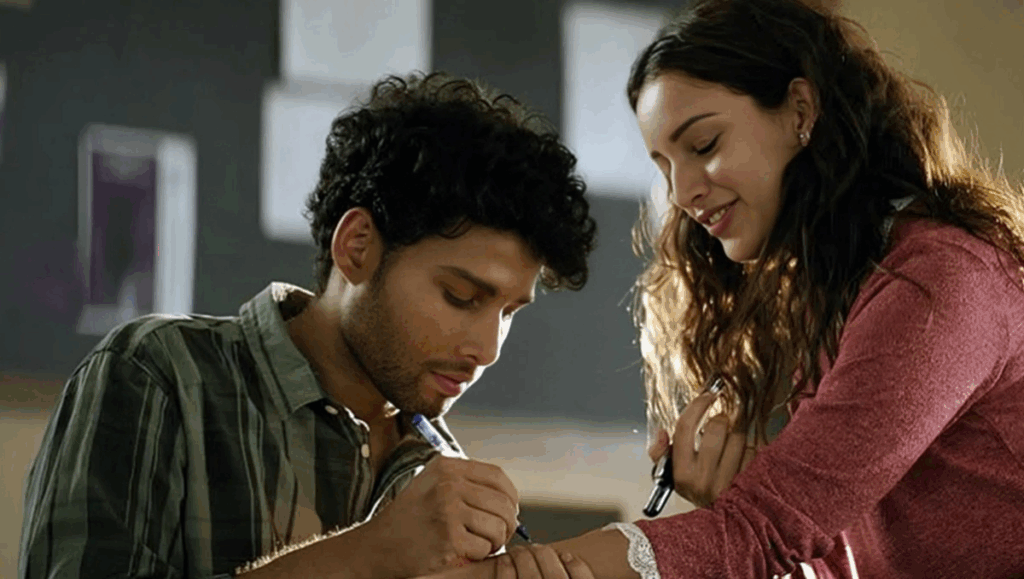
The film is being hailed as a career-best for Siddhant Chaturvedi, who portrays Neelesh, a young man grappling with caste shame and oppression. Triptii Dimri, as Vidhi, matches his intensity, delivering a performance reminiscent of her role in Laila Majnu. The supporting cast is also a major highlight, with Anubha Fatehpura and Vipin Sharma delivering a powerful portrayal of Neelesh’s parents. Zakir Hussain as the college principal and other actors like Manjari Pupala, Saad Bilgrami, and Harish Khanna also add depth to the narrative. However, Saurabh Sachdeva, while menacing, is noted to be not terrifying enough to fully embody his role.
A Diluted Message and Inconsistent Storytelling
The central critique of Dhadak 2 is its hesitant approach to a sensitive topic. Unlike the original Pariyerum Perumal, the film’s commentary on caste oppression is described as diluted, possibly to avoid controversy. The review points out that a powerful political statement is softened into a less impactful narrative, with redubbed climax dialogues adding to the sense of unease. The film’s biggest flaw is deemed its inconsistency, as Neelesh’s suffering is fragmented and lacks sustained tension. While moments like the killing of his pet, a senior’s suicide, and his father’s public humiliation are emotionally powerful, the film as a whole fails to sustain this intensity.
Praise for Directional Nuances
Despite its flaws, the film is praised for several moments of directorial finesse. Shazia Iqbal is commended for her thoughtful use of the color blue, aligning it with the Jai Bhim movement, and for including dignified portraits of Dr. B.R. Ambedkar, Savitribai Phule, and Jyotirao Phule. The film also features poignant dialogues about fighting for respect and a powerful monologue from Triptii Dimri on the concept of ghar ki izzat. The review concludes that while the film has its heart in the right place and boasts compelling performances.