

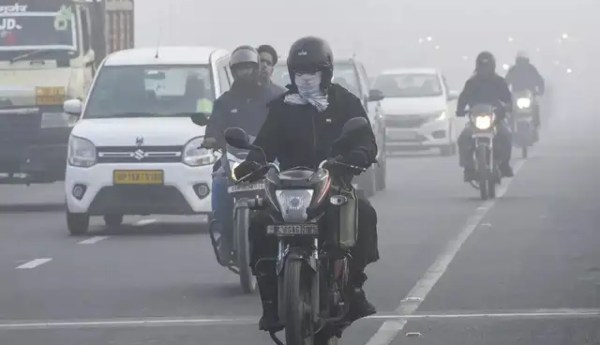

NEW DELHI – The national capital is currently in the grip of a relentless winter “coldblast,” with the India Meteorological Department (IMD) issuing a yellow alert through Thursday, January 8, 2026. Residents woke up to a “bone-chilling” Wednesday as dense fog and icy northwesterly winds combined to drive daytime temperatures to a near-record low for the season.
Following the first official “cold day” of 2026 on Tuesday, experts warn that this prolonged spell of extreme weather could challenge the historic cold wave of December 2019.
The “Cold Day” Statistics (Jan 6–7, 2026)
A “cold day” is technically declared when the minimum temperature is below 10°C and the maximum is at least 4.5°C below normal.
| Station | Max Temp (Jan 6) | Departure from Normal | Status |
| Safdarjung | 15.7°C | -3.3°C | Below Normal |
| Palam | 13.0°C | -6.0°C | Cold Day |
| Lodhi Road | 15.8°C | -5.2°C | Cold Day |
| Ayanagar | 14.0°C | -2.9°C | Below Normal |
- Minimum Temperature: Settled at 8.6°C at Safdarjung on Wednesday morning, approximately 1.7°C above normal due to the cloud cover and fog acting as a thermal blanket at night.
- Visibility: Dropped to 100 metres at Palam and 250 metres at Safdarjung during the early hours of Wednesday.
Forecast: The 10-Day “Coldblast”
Meteorological experts, including amateur weatherman Navdeep Dahiya, suggest that Northern India is entering a sustained period of “severe chill” due to a lack of Western Disturbances to break the fog cycle.
- Icy Winds: Northwesterly winds from the snow-clad Himalayas are expected to keep maximum temperatures between 12°C and 15°C through January 15.
- Fog Trapping: A “cocktail” of surface-level and upper-layer fog is preventing sunlight from reaching the ground, leading to “overcast-like” conditions even during noon.
- Night Dips: While the current minimum is hovering around 7–8°C, it is forecast to drop to 3°C–4°C by the coming weekend as the fog clears slightly to allow for “radiative cooling.”
Health & Travel Advisory
The combination of extreme cold and “Very Poor” Air Quality (AQI 310) has prompted health warnings:
- Respiratory Alert: Long-term exposure to dense fog mixed with pollutants can aggravate asthma and bronchitis.
- Travel Disruptions: Travelers using Indira Gandhi International (IGI) Airport or North-bound trains are advised to check schedules, as “very dense fog” (visibility <50m) is likely on Thursday morning.