

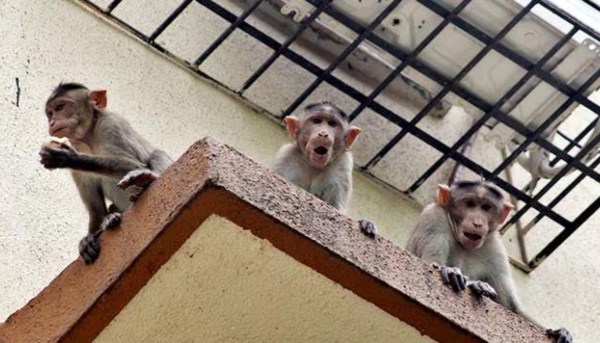

Officials confirmed on Friday, January 2, 2026, that the Public Works Department (PWD) has floated a tender to hire trained personnel specifically skilled in mimicking the vocal calls of langurs. This move follows a persistent “monkey menace” at the Assembly complex, where troops of rhesus macaques frequently jump on electrical wires, break dish antennas, and pose safety risks to legislators and staff.
Key Details of the Plan
- The “Mimicry” Strategy: Since the use of live, captive langurs was banned by the Union Environment Ministry in 2012, authorities have relied on humans to imitate their aggressive sounds. Monkeys are naturally afraid of langurs, and these vocal cues are considered an effective, non-harmful deterrent.
- Deployment Schedule: The PWD plans to deploy five experts per day from Monday to Friday and two experts on Saturdays. Each expert will work an eight-hour shift to ensure constant vigilance.
- Performance & Safety: The tender (valued at approximately ₹17.52 lakh) includes performance-based monitoring and insurance coverage for the personnel. If a handler is found unable to mimic the sounds effectively, they can be removed immediately.
- Why Cutouts Failed: Officials noted that previous attempts to use life-size langur cutouts were unsuccessful. “Monkeys no longer get scared of them. Instead, they sit atop those cutouts,” an official remarked.
A History of Disruptions
The “furry visitors” have a history of making their presence felt in Delhi’s corridors of power:
- 2017 Incident: A monkey famously entered the House during a session, interrupting a high-level discussion on guest teachers.
- Infrastructure Damage: Beyond safety, the primary concern is the destruction of expensive communication equipment and horticulture at the Vidhan Sabha.