

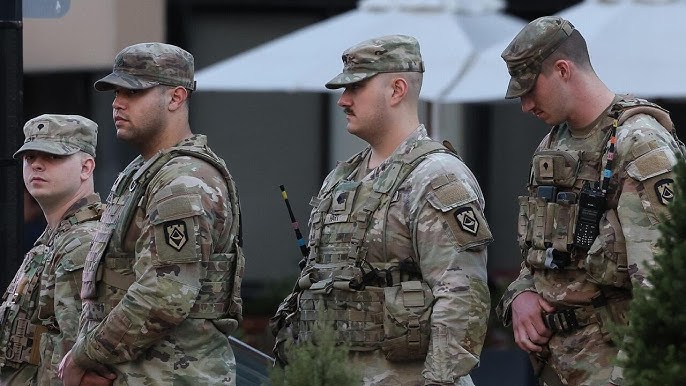

A 29-year-old Afghan national identified as Rahmanullah Lakanwal was taken into custody in Washington, D.C., following a shooting incident, as reported by media. Lakanwal was apprehended after being shot by other guardsmen.
Law enforcement sources informed the New York Post that Lakanwal had entered the United States under the federal program Operation Allies Welcome (OAW) and had been resettled in Bellingham, Washington. The suspect’s background has swiftly reignited a contentious national discussion regarding the security measures surrounding the 2021 Afghan evacuation and resettlement efforts.
Details on Operation Allies Welcome (OAW)
Operation Allies Welcome (OAW) was launched by the Department of Homeland Security (DHS) on August 29, 2021, with the primary goal of coordinating the resettlement of Afghans who were evacuated during the U.S. withdrawal from Afghanistan that year.
- Program Goal: OAW was designed to provide safe haven to “vulnerable Afghans,” including interpreters, embassy-affiliated personnel, and other at-risk individuals who had assisted U.S. forces over two decades.
- Resettlement Process: The DHS stated that the resettlement process included comprehensive biometric and biographic screening performed by multiple federal agencies, such as the intelligence community, the Federal Bureau of Investigation (FBI), DHS, and the U.S. Department of Defense (DoD).
- Scale: According to data from Global Refuge, the program brought tens of thousands of Afghan evacuees into the United States, typically under humanitarian parole or related visa programs, before relocating them from temporary bases to communities nationwide.
The Controversy Surrounding Security Vetting
Lakanwal’s connection to the OAW program has intensified existing public and political debates over the security screening and vetting procedures utilized during the rapid 2021 evacuation.
Opponents of the program have consistently argued that the urgency of the evacuation compromised the thoroughness of the screening process, potentially allowing individuals who pose a security risk to enter the country.
This concern was echoed in an independent assessment by the DOJ’s Office of Inspector General (OIG). The OIG noted that the rapid pace of the evacuation made full vetting difficult, thereby increasing the risk that “bad actors” could potentially slip through the screening process. The incident involving Lakanwal has placed renewed scrutiny on the program and the officials responsible for the resettlement effort.