

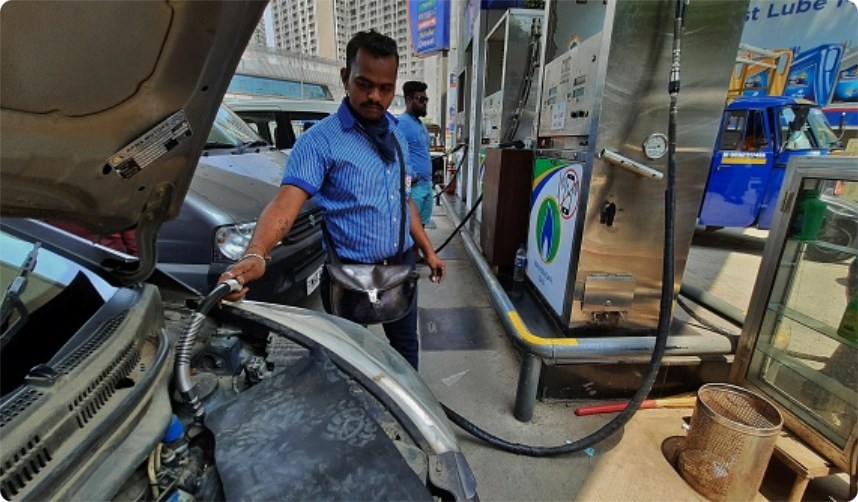

Compressed Natural Gas (CNG) is emerging as the cornerstone of India’s City Gas Distribution (CGD) sector growth, underlining the nation’s broader shift towards a cleaner energy future, according to a new report from Crisil Intelligence.
The report, titled “City Gas Pulse”, projects that CNG demand will expand substantially on the back of government initiatives, surging urban mobility needs, and accelerating infrastructure development.
With over 18,000 new CNG stations proposed and access for 12 crore households unlocked through multiple licensing rounds, the sector’s momentum shows no signs of slowing.
Crisil’s analysis suggests that while top states such as Maharashtra, Gujarat, and Delhi will continue to anchor demand, the next wave of growth is expected from emerging geographies, driven by:
- Revised gas allocation policies
- Rising private sector investments
- Increased vehicle conversions to CNG
“CNG remains at the core of India’s energy diversification strategy, even amid rising competition and tightening allocation policies,” the report highlights.
While exclusivity periods in CGD networks are ending and competitive intensity is growing, infrastructure gaps in several areas are being filled, ensuring smoother access to CNG across states.
Key Insights from Crisil’s City Gas Pulse:
- CNG adoption is critical for India’s goal of achieving a 15% share of natural gas in its primary energy mix.
- Expansion into new geographical areas is crucial as demand moves beyond traditional strongholds.
- Infrastructure readiness—including pipeline networks and refuelling stations—is key to supporting growth.
- Market growth must navigate pricing and allocation pressures, especially as electric vehicles (EVs) slowly rise as an alternative mobility solution.
India’s focus on green and clean energy ties directly into its COP26 ‘Panchamrit’ commitments, which include:
- 500 GW of non-fossil fuel power capacity
- 50% renewable energy share in total energy use
- 1 billion tonnes reduction in carbon emissions by 2030
- 45% cut in emissions intensity of GDP by 2030
- Net-zero emissions target by 2070
With fossil fuels still accounting for a large share of India’s energy basket, natural gas and CNG serve as crucial transitional fuels on the path toward these ambitious climate goals.
Despite the looming rise of EVs, Crisil maintains that CNG remains cost-competitive and relevant in India’s clean energy roadmap, thanks to strong government backing, private investments, and evolving market dynamics.