

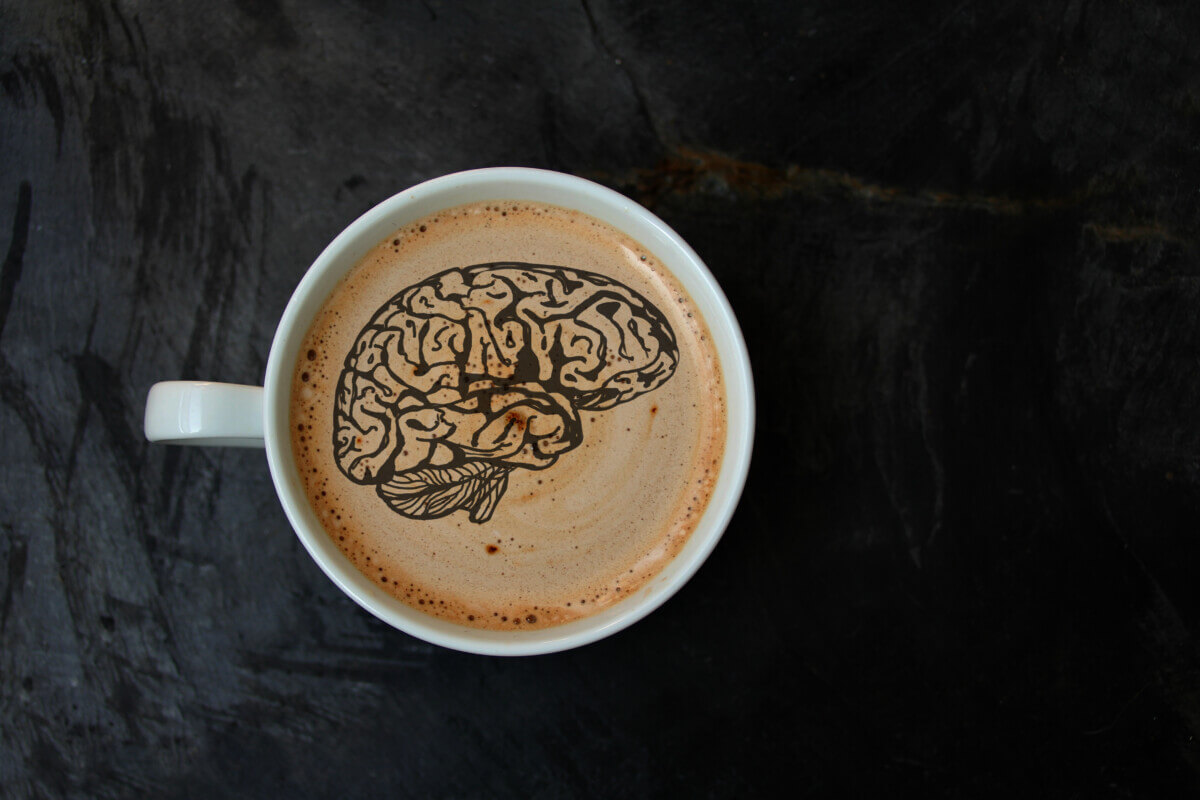

A groundbreaking study published in the JAMA Network on February 9, 2026, has brought a major dose of optimism to coffee and tea drinkers. Researchers from Harvard T.H. Chan School of Public Health and Mass General Brigham found that moderate daily caffeine consumption can significantly reduce the risk of dementia and slow cognitive decline.
The study is being hailed as one of the most comprehensive of its kind, having tracked over 131,000 health professionals for nearly four decades.
The “Golden” Number: 2 to 3 Cups
The research pinpointed a specific “sweet spot” where the protective benefits for the brain are most pronounced.
- The Optimal Dose: Drinking 2 to 3 cups of caffeinated coffee or 1 to 2 cups of tea daily was associated with an 18% lower risk of dementia.
- Caffeine is Essential: Interestingly, the study found no such benefit from decaffeinated coffee, suggesting that caffeine—and its interaction with the brain’s adenosine receptors—is likely the active neuroprotective agent.
- The Plateau Effect: Drinking more than 3 cups did not offer additional protection. In fact, excessive intake (more than 6 cups) has previously been linked to smaller brain volumes, confirming that moderation is key.
More Than Just a Wake-Up Call
Physician-scientist Dr. Eric Topol, who highlighted the findings, noted that while the effect size is modest, it is significant because coffee and tea are consumed globally.
- Bioactive Ingredients: Beyond caffeine, the researchers believe polyphenols in these beverages help reduce brain inflammation and cellular damage.
- Consistency Across Groups: The study found that the benefits applied regardless of a person’s genetic predisposition to dementia, making it a promising dietary intervention for the general population.
Important Reality Check
Despite the “good news,” experts caution that coffee is a supportive habit, not a magic cure.
- The Foundation: “If you want brain protection, you must walk, sleep, and eat real food,” noted one user in a viral response. Coffee cannot compensate for poor sleep or a sedentary lifestyle.
- Association vs. Cause: Scientists emphasize that this is an observational study showing an association. It does not strictly prove that coffee alone prevents dementia.
Caffeine Guide for Brain Health
| Beverage | Optimal Daily Amount | Key Benefit |
| Caffeinated Coffee | 2–3 Cups | 18% lower dementia risk; better memory. |
| Caffeinated Tea | 1–2 Cups | Slower cognitive decline; neuroprotection. |
| Decaf Coffee | Any amount | No significant dementia-reduction observed. |