

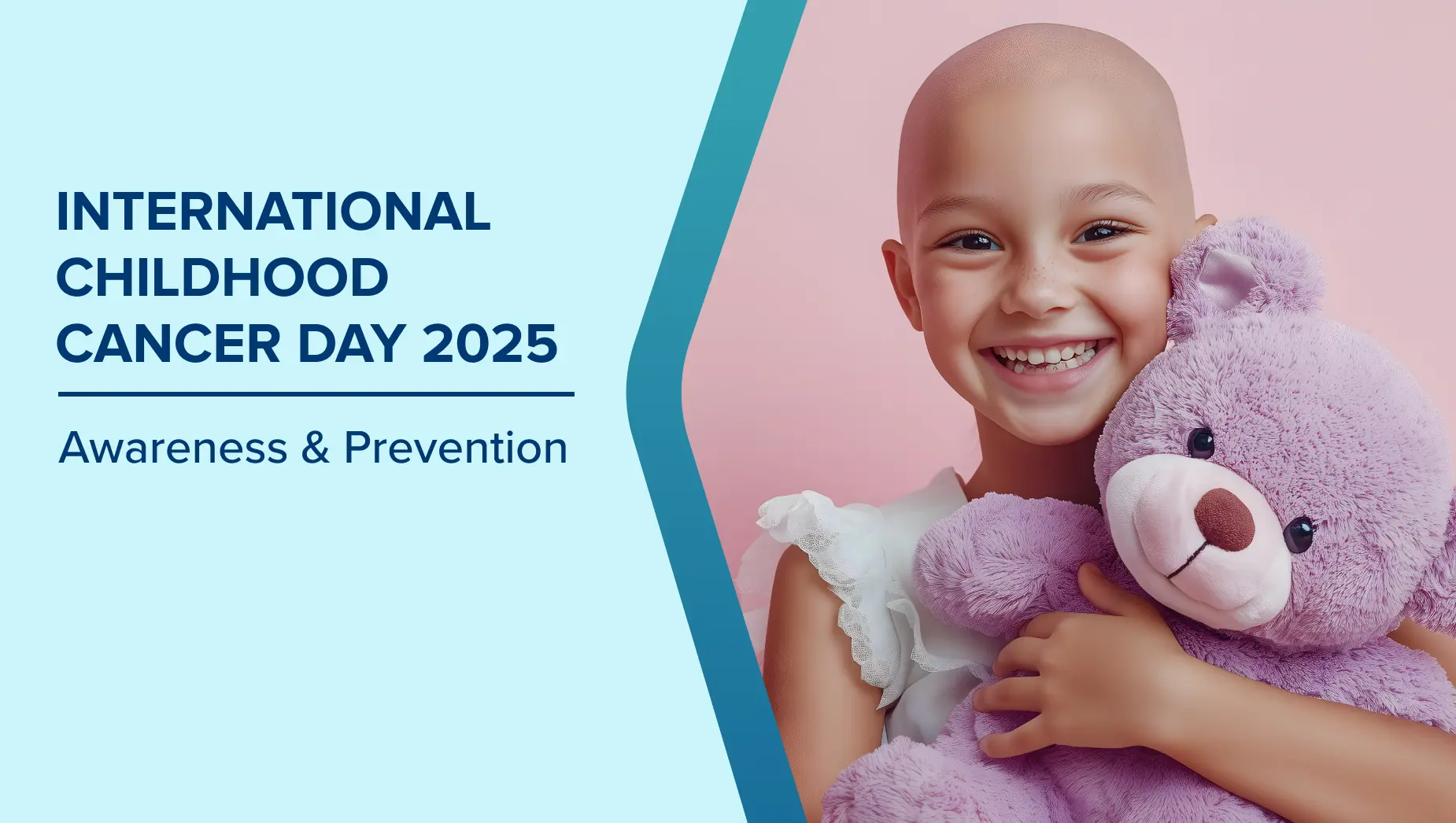

September is recognized globally as Childhood Cancer Awareness Month, a crucial time to shed light on a disease that affects a sobering number of children worldwide. Every year, around 400,000 children are diagnosed with cancer, and a significant 20% of these cases originate from India. While this news can feel overwhelming, understanding the facts is the first and most powerful step toward improving outcomes.
Cancers in children are fundamentally different from those in adults, not only in how they manifest but also in how they are treated. Here are five essential facts every parent should be aware of:
1. The “Why” Behind Childhood Cancer This is a question that weighs heavily on parents’ minds, but the answer often defies simple explanations. Unlike adult cancers, childhood cancers are not linked to lifestyle or environmental factors. A staggering 90% of cases are considered “sporadic,” meaning they occur randomly and can affect any child, regardless of diet or exposure. Less than 10% are tied to inherited genetic changes. This randomness is precisely why there are no standard screening tests for childhood cancer, unlike for breast or cervical cancer in adults. While a healthy diet is always beneficial for a child’s overall well-being, there is no scientific evidence that “Western diets” or junk food are to blame.
2. The High Potential for Cure The good news is that childhood cancers are often highly curable. In high-income countries, the cure rate is over 80%. In India, however, these rates are lower due to various challenges, including delayed diagnosis, treatment abandonment, social stigma, misinformation, and financial barriers. Yet, with timely diagnosis and proper treatment, many childhood cancers in India can achieve cure rates of up to 80%. The unique biological nature of these cancers means they respond remarkably well to modern therapies.
3. Children and Chemotherapy: A Different Reality When people think of chemotherapy, they often imagine a frail, bedridden patient. The reality in pediatric oncology is a world apart. Young cancer patients are incredibly resilient. You’ll often see them walking around with their chemo pumps, playing, and smiling. Their youthful bodies and natural healing capacity allow them to tolerate chemotherapy better than adults. Doses are carefully calculated to minimize side effects, and children’s lack of anxiety about the process makes them even more resilient.
4. The Impossibility of Knowing the Exact Start Date Parents often feel immense guilt, wondering if they “missed” the early signs of a tumor. The truth is, there is no way to pinpoint the exact moment a tumor began. For most cancers, the time between the first abnormal cell change and visible symptoms is just a few months. Instead of focusing on the past, what’s most crucial is to act promptly if your child shows persistent or unusual symptoms, such as:
- Unexplained fever or fatigue
- Persistent lumps or swellings
- Bone or joint pains without swelling
- Easy bruising or bleeding
- Recurring or severe headaches, especially in the mornings
- New-onset lack of coordination or a new squint
- Unexplained weight loss and night sweats
5. Life After Cancer: The Journey of Survivorship For a child who has been cured, the journey continues with “survivorship.” Modern treatments are designed not just to cure the disease but also to minimize long-term side effects. While most childhood cancer survivors go on to lead full and healthy lives, it’s essential to acknowledge that some long-term effects can occur, such as issues with growth, heart health, or learning. This is why long-term follow-up care is absolutely vital. Regular check-ups help doctors monitor for any late effects and provide support when needed.
Beyond medical care, society plays a critical role. It’s crucial to treat survivors with inclusion and encouragement, not with stigma or pity. They should be empowered to participate fully in life, defined not by their illness, but by their strength.
How You Can Help Battling childhood cancer is not just a family’s fight—it is a community’s responsibility. Stigma and fear often force families into isolation, adding to their already overwhelming burden. By offering kindness, empathy, and practical support, you can make a huge difference. Consider offering to help with childcare, transportation, or donating blood or platelets, which are often lifesaving. Even small gestures can bring immense comfort and hope to a family going through the toughest time of their lives.