

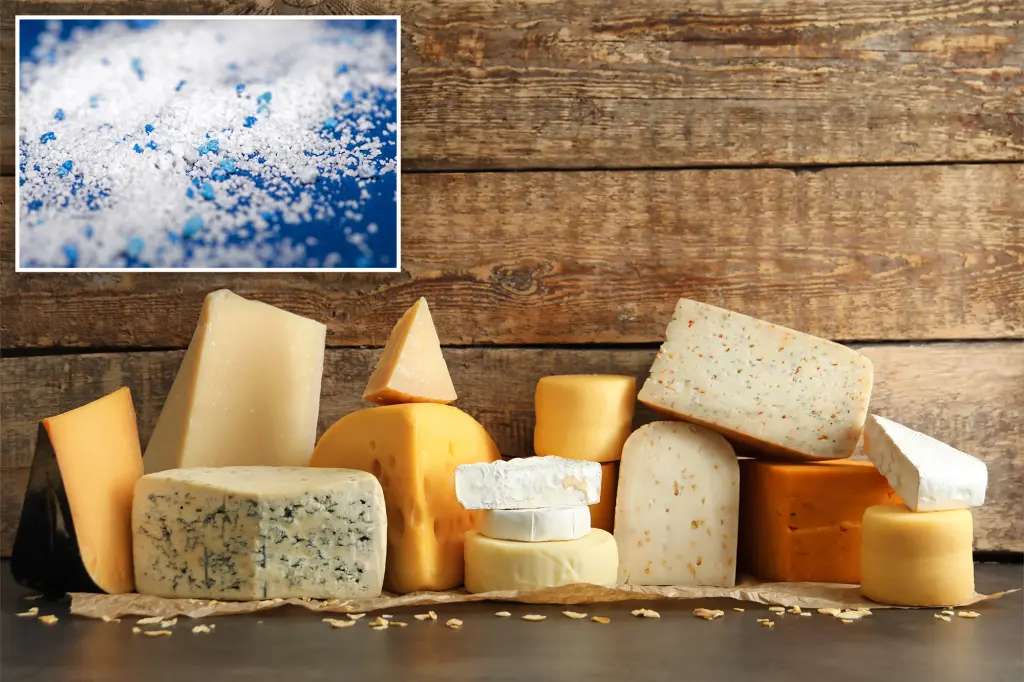

The University of Padua in Italy recently did a study that discovered that cheese had a lot more microplastics than milk. This is an increasing worry about plastic contamination in food. The study, which came out on July 10 in npj Science of Food, looked at 28 dairy products, such as milk and different kinds of cheese. There were microplastics in all but two of the samples.
Cheese had an incredible 1,000 microplastic particles per kilogram, while milk had about 350. This means that cheese is a major source of hidden plastic exposure. PET, polyethylene, and polypropylene were the most frequent forms of microplastics found. These are often found in packaging.
Which kinds of cheese have more microplastics?
Not all cheeses have the same amount of germs. The research discovered:
Fresh cheeses including mozzarella, ricotta, and paneer had about 1,280 particles in per kilogram.
Cheeses that had been matured or ripened, such cheddar, Gouda, and Parmesan, had greater amounts, with an average of 1,857 particles per kilogram.
Packaging is not the only thing that could contaminate food. Other things that could do this are farm equipment, animal feed, and processing machines.
Possible Health Effects
Microplastics can get into the body and have been detected in places like the liver, stomach, and even blood vessels. There may be health implications that we don’t know about yet, such as:
Problems with inflammation and the gut
Hormonal imbalance
Damage to the liver
Problems with mental health
Cancer, infertility, heart disease, and lung problems are some of the long-term hazards.
This article is for informational purposes only and should not be used as a substitute for professional medical advice.