

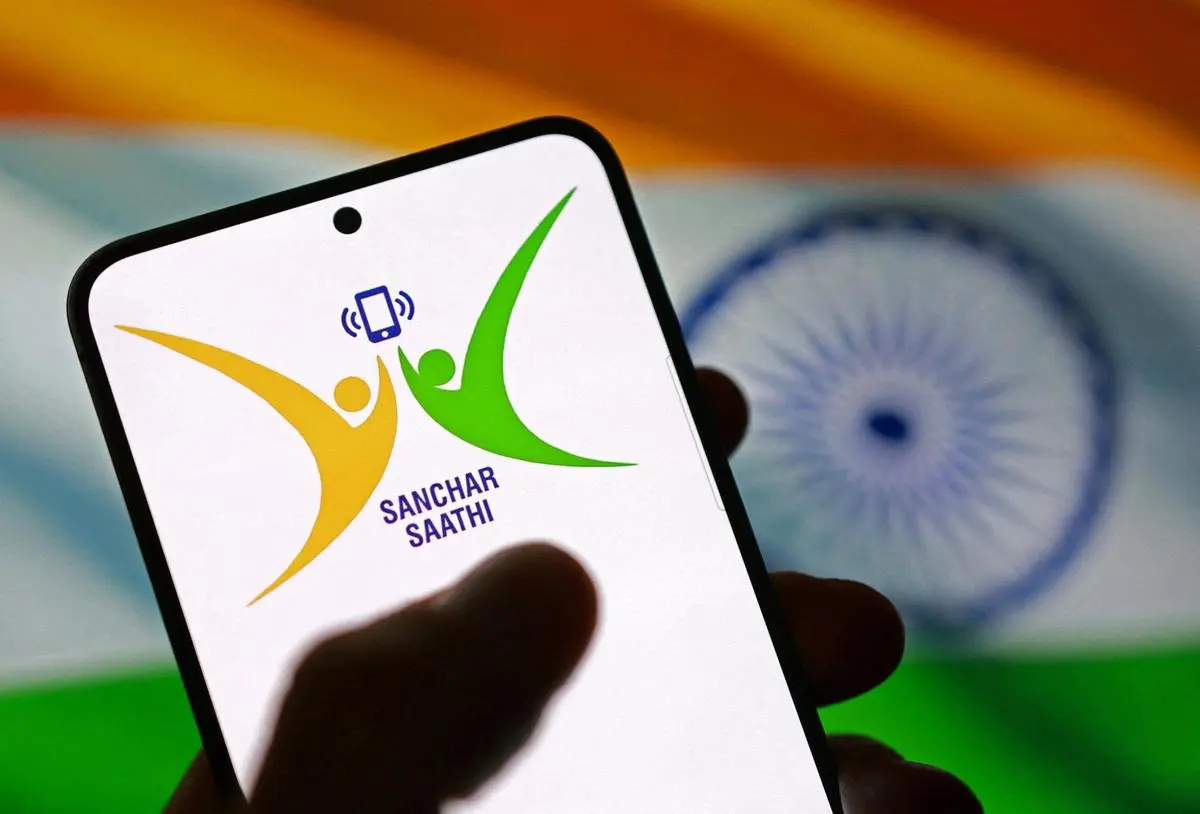

The Central government announced the withdrawal of its mandate for smartphone companies to pre-install the ‘Sanchar Saathi’ application on all new mobile devices. This decision, communicated in a statement issued by the Ministry of Communications on Wednesday, comes after significant backlash from cybersecurity experts, digital privacy advocates, and opposition political parties who labelled the move an infringement on citizens’ fundamental right to privacy.
The Mandate and the Backlash
The Sanchar Saathi portal was launched by the Modi government in May 2023, followed by a mobile application earlier this year, as a key effort to combat rising cybercrime in India. Its features allow citizens to:
- Check mobile connections linked to their IDs.
- Report fraudulent communication (Chakshu feature).
- Block and trace lost or stolen phones using the IMEI number.
- Check the genuineness of a mobile handset.
The original directive, issued on November 28, had called for the app to be pre-installed on all new smartphones manufactured or imported for use in India. Crucially, the directive reportedly stated that the app should be installed in a way that users could not disable, restrict, or uninstall its functionalities.
This specific clause sparked a massive row:
- Privacy Concerns: Critics, including the opposition Congress party, strongly condemned the move, calling it a “snooping tool” and a form of state surveillance that infringed upon a citizen’s fundamental right to privacy.
- Industry Resistance: Sources close to the matter reported that major smartphone giants, including Apple and Samsung, refused to comply with the government order, citing privacy and security concerns that would require customizing their global operating systems (iOS and Android) specifically for India.
Reasons for the U-Turn
While the Ministry of Communications officially stated that it decided to recall the mandate due to the app’s “increasing acceptance” and popularity (claiming a surge in downloads), internal sources suggest the withdrawal was primarily due to the severe pressure and constitutional hurdles.
- Political and Industry Pressure: Sources told HT that the Department of Telecommunications was under “too much pressure” from the industry to recall the order. The resistance from global manufacturers like Apple and Samsung was a key factor.
- Legal Concerns: The Centre had reportedly been informally advised by legal firms that the directive would likely “not stand up constitutionally” due to the compulsory, non-removable nature of the software.
- Insecurity of the Mandate: Once the government was forced to clarify that the app could, in fact, be deleted by the user, the core mandatory installation became pointless, as any individual intending to commit fraud would simply remove it.
Government’s Defence of the App
Amid the controversy, Communications Minister Jyotiraditya Scindia defended the application in the Lok Sabha, strongly refuting the “snooping tool” allegations.
- Voluntary Use: Scindia clarified that the app is optional and users are free to delete it if they wish to do so. He asserted that the app does not access the personal data of the user and that “snooping is neither possible nor will happen with the Sanchar Saathi app.”
- Public Safety Focus: The government maintains that the initiative’s sole purpose is to enhance digital safety and empower users to protect themselves from cyber frauds, noting that the app only becomes operational once the user chooses to register.
The mandate, issued on November 28, has now been officially revoked, allowing the app to remain available for voluntary download on app stores.