

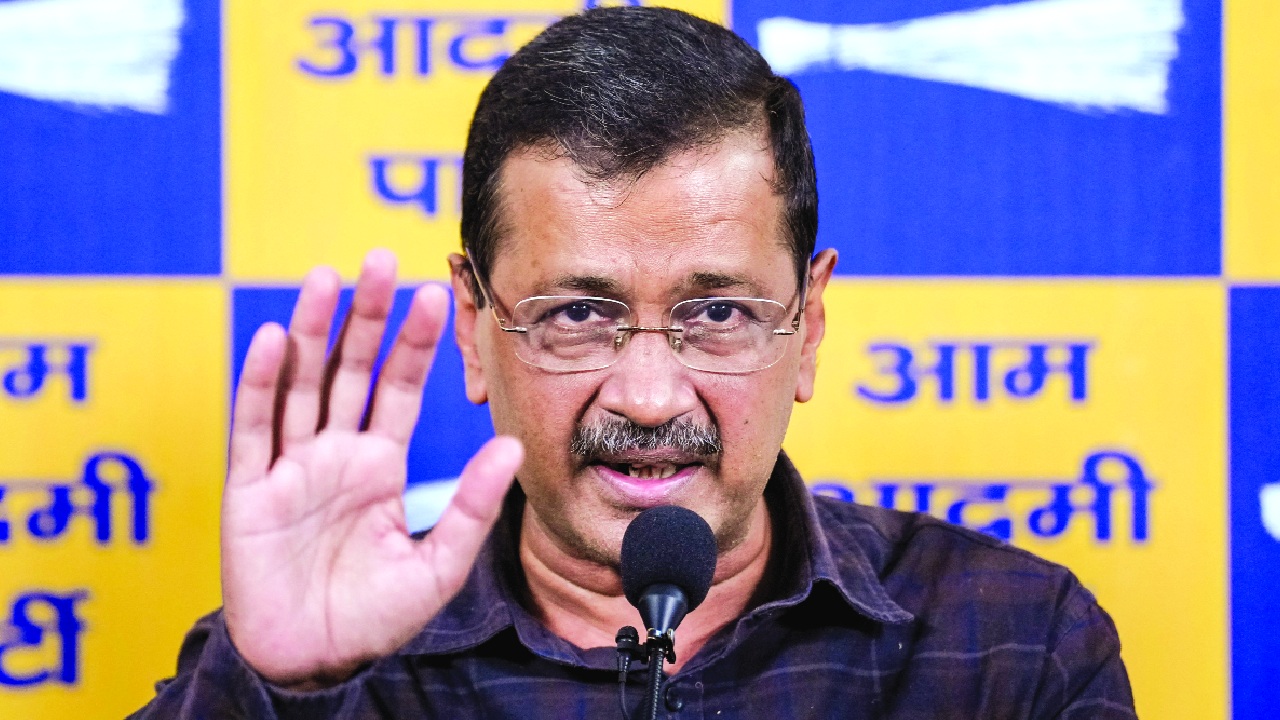

NEW DELHI — In a fierce legal counter-offensive, the Central Bureau of Investigation (CBI) has moved the Delhi High Court to overturn the wholesale discharge of former Chief Minister Arvind Kejriwal, Manish Sisodia, and 21 others in the high-profile Delhi excise policy case.
The agency’s 974-page appeal, reviewed by media, launches a scathing attack on Special Judge Jitendra Singh, accusing him of overstepping his jurisdiction by conducting a “mini-trial” at the pre-charge stage and ignoring “unimpeachable evidence.”
1. The “Mini-Trial” Allegation
The CBI’s primary contention is that Judge Singh failed to follow the settled law regarding the “stage of charge,” where a court is only required to see if a prima facie case exists, not to weigh evidence as if in a final trial.
- Selective Reading: The agency alleges the judge evaluated “small contradictions” in isolation rather than looking at the “single, continuing criminal conspiracy” that spanned from policy formulation to the Goa election funding.
- “Incomprehensible” Remarks: The CBI has taken strong exception to the judge’s adverse remarks against the investigating officer, calling them “unwarranted” and “perverse.”
2. The “Smoking Gun” Claims
Despite the judge’s ruling that the case was “legally infirm,” the CBI maintains it has enough digital and oral evidence to proceed:
- The 12% Margin: The agency argues that hiking the wholesale profit margin from 5% to 12% was a “foundational act” of quid pro quo designed to benefit a private “South Group” cartel.
- Bureaucratic Testimony: The appeal cites statements from senior bureaucrats alleging that the policy was “tailor-made” by top AAP leaders, ignoring expert opinions that advised maintaining the status quo.
- The Goa Link: While the judge dismissed the Goa election funding trail as “inference and assumption,” the CBI insists the money trail is part of a deliberate, prearranged criminal design.
3. The Judge’s Perspective (The Discharge Order)
In his February 27 judgement, Judge Jitendra Singh had famously stated that the prosecution’s case “completely dismantled” when tested against the record.
- No Prima Facie Case: The judge found that the material did not even meet the threshold of “grave suspicion.”
- Policy vs. Crime: The court viewed the excise changes as administrative decisions rather than criminal acts, citing an “absence of any admissible evidence.”
Excise Policy Case: The Legal Stand-Off
| Feature | Judge Jitendra Singh’s View (Feb 27) | CBI’s Grounds for Appeal (March 2) |
| Evidence Quality | “Legally infirm, unsustainable, and unfit.” | “Unimpeachable digital and oral evidence.” |
| The Conspiracy | “Completely dismantled” under scrutiny. | “Single, continuing criminal conspiracy.” |
| Court’s Role | Found no prima facie case. | Accused of conducting an illegal “mini-trial.” |
| Next Step | Discharged all 23 accused. | Seeking quashing of the discharge order. |