


Amid the Trump administration’s proposal to impose a hefty $100,000 annual fee on H-1B visas in the United States, Canada is strategically positioning itself to capitalize on the resulting uncertainty by rolling out aggressive initiatives to attract top global talent.
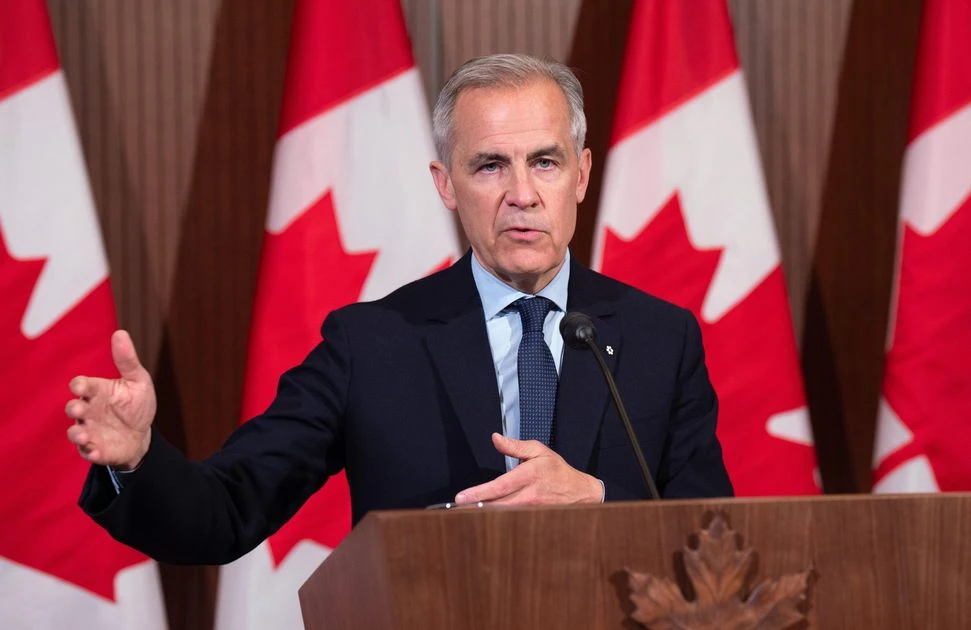
Prime Minister Mark Carney’s first budget unveils a clear plan to welcome highly skilled workers, particularly those impacted by the US policy changes, while simultaneously tightening controls on other categories of temporary residents like international students.
Accelerated Pathway for H-1B Visa Holders
Canada’s main initiative to attract skilled workers from the U.S. is the creation of an “accelerated pathway” for H-1B visa holders. This program is specifically designed to target skilled workers, especially the majority of H-1B holders who are young Indian professionals in the technology sector, many of whom are currently facing fear and uncertainty over their career prospects in the US.
Prime Minister Carney has publicly signalled this push, stating earlier that the US restrictions create an opportunity for Canada: “What is clear is that the opportunity to attract people who previously would’ve got so-called H-1B visas… is an opportunity for Canada, and we are going to take that into account, and we are going to have a clear offering on that.”
Major Investment to Recruit Top Researchers
In addition to the H-1B pathway, the new budget allocates significant funding to recruit top-tier international talent:
- C$1.7 billion ($1.2 billion) has been earmarked for a comprehensive plan to recruit over 1,000 skilled researchers.
- This funding aims to strengthen Canada’s global competitiveness and support the economy of the future by bringing in expertise to advance key sectors.
Revised Immigration Targets Focus on Permanent Residents
Canada’s new plan involves a notable recalibration of its immigration targets, reflecting a focus on permanent, long-term talent over a high volume of temporary residents:
- Permanent Residents: The plan aims to welcome 380,000 permanent residents annually from 2026 through 2028, maintaining a steady intake for long-term growth.
- Temporary Residents (Including Students): The government is cutting the number of temporary residents allowed, with targets reduced to:
- 385,000 in 2026.
- 370,000 in 2027.
- 370,000 in 2028.
- Student Intake Cut: This overall reduction is driven by a sharp drop in the number of new study permits the government plans to issue, with targets reduced to 155,000 in 2026 and 150,000 in both 2027 and 2028. This move is intended to address capacity concerns stemming from a surge in population growth.
The new immigration strategy signals a deliberate move by the Canadian government to target high-value, highly-skilled professionals affected by restrictive policies elsewhere, while seeking to make its overall immigration system more “sustainable.”