

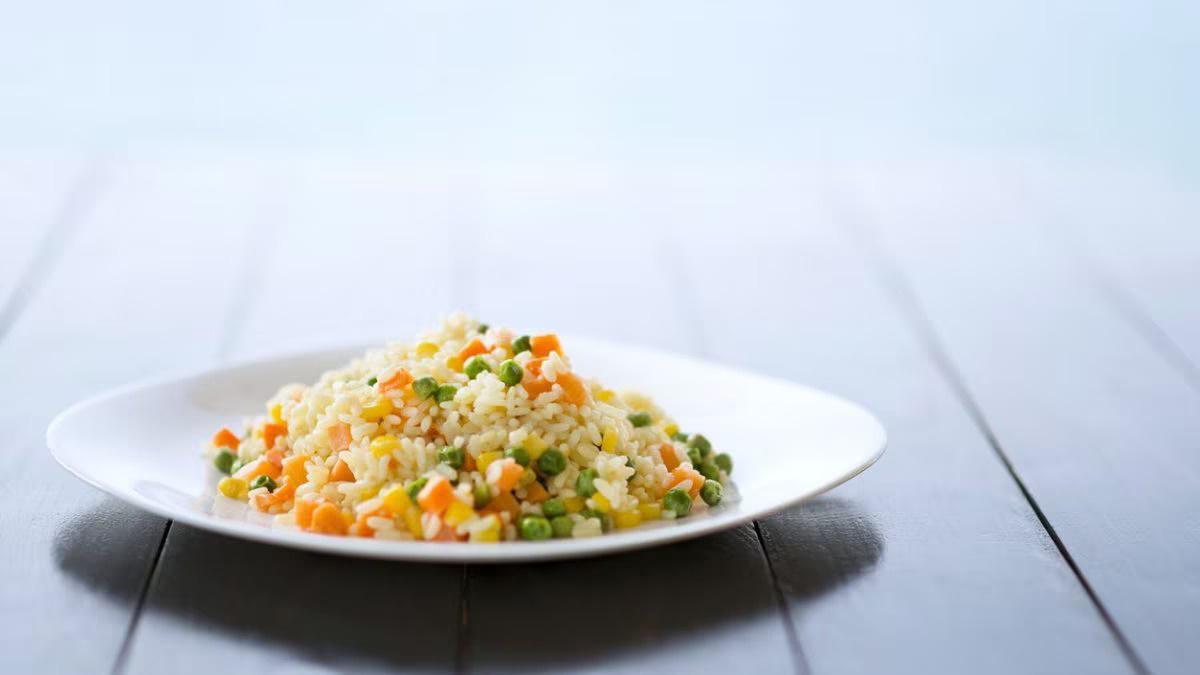

For years, online wellness influencers have promoted a simple trick to lower calories in rice, pasta and potatoes: cook them, chill them, then reheat before eating. The process, known as retrogradation, is said to reduce calories and aid weight loss.
But does it really work?
The short answer: Not exactly — but there is some science behind it.
What Is Retrogradation?
Most calories in carbohydrate-rich foods like rice and potatoes come from starch, which exists in two forms:
- Amylose – harder to digest (resistant starch)
- Amylopectin – easily digested and raises blood sugar quickly
Raw starches (like uncooked potatoes) contain more resistant starch. However, cooking converts much of that into the more easily digestible form, which can cause rapid spikes in blood sugar.
When cooked carbohydrates are chilled, part of the easily digestible starch transforms back into resistant starch. This process is called retrogradation.
Even after reheating, some of that resistant starch remains.
Does It Reduce Calories?
According to David Ludwig, the calorie reduction is not dramatic.
“It doesn’t appreciably change the calorie content of that food,” Ludwig explained. “But it may well affect your hormones and metabolism in a way that makes controlling calories a lot easier.”
In other words, the total calories don’t significantly drop — but how your body processes them may change.
What About Blood Sugar?
This is where the strongest evidence exists.
Multiple small studies since 2015 have found that people who eat rice that has been cooked and cooled often experience lower blood glucose spikes compared to eating freshly cooked rice.
Lower blood sugar spikes mean:
- Less insulin release
- Reduced fat storage signals
- Fewer hunger cravings later
Ludwig notes that stable blood sugar may make it easier to avoid overeating.
“When the food retrogrades, it digests more slowly. You’ll have less insulin to drive fat storage and likely have an easier time avoiding overeating.”
Not a Miracle Fix
However, experts caution against overselling the benefits.
Walter Willett, professor of epidemiology and nutrition at Harvard T.H. Chan School of Public Health, says retrogradation mainly affects blood sugar — not overall nutritional quality.
He points out:
- It does not restore lost fiber, vitamins, or minerals removed during refining.
- Its effectiveness depends on the type of grain.
- Many commercial rice varieties are naturally low in resistant starch.
- Doing it consistently may not be practical for most people.
The Practical Takeaway
Chilling and reheating starches can:
✔ Slightly increase resistant starch
✔ Reduce blood sugar spikes
✔ Potentially help appetite control
But it does not:
✖ Dramatically cut calories
✖ Turn refined carbs into health foods
✖ Replace whole grains nutritionally
Willett’s simpler advice? Choose minimally processed whole grains and cook them normally.
Bottom Line
The retrogradation trend isn’t fake — but it’s not a magic weight-loss shortcut either.
If you already eat rice or pasta regularly, cooling and reheating them may modestly improve blood sugar response. But for lasting health benefits, diet quality overall matters far more than food temperature tricks.