

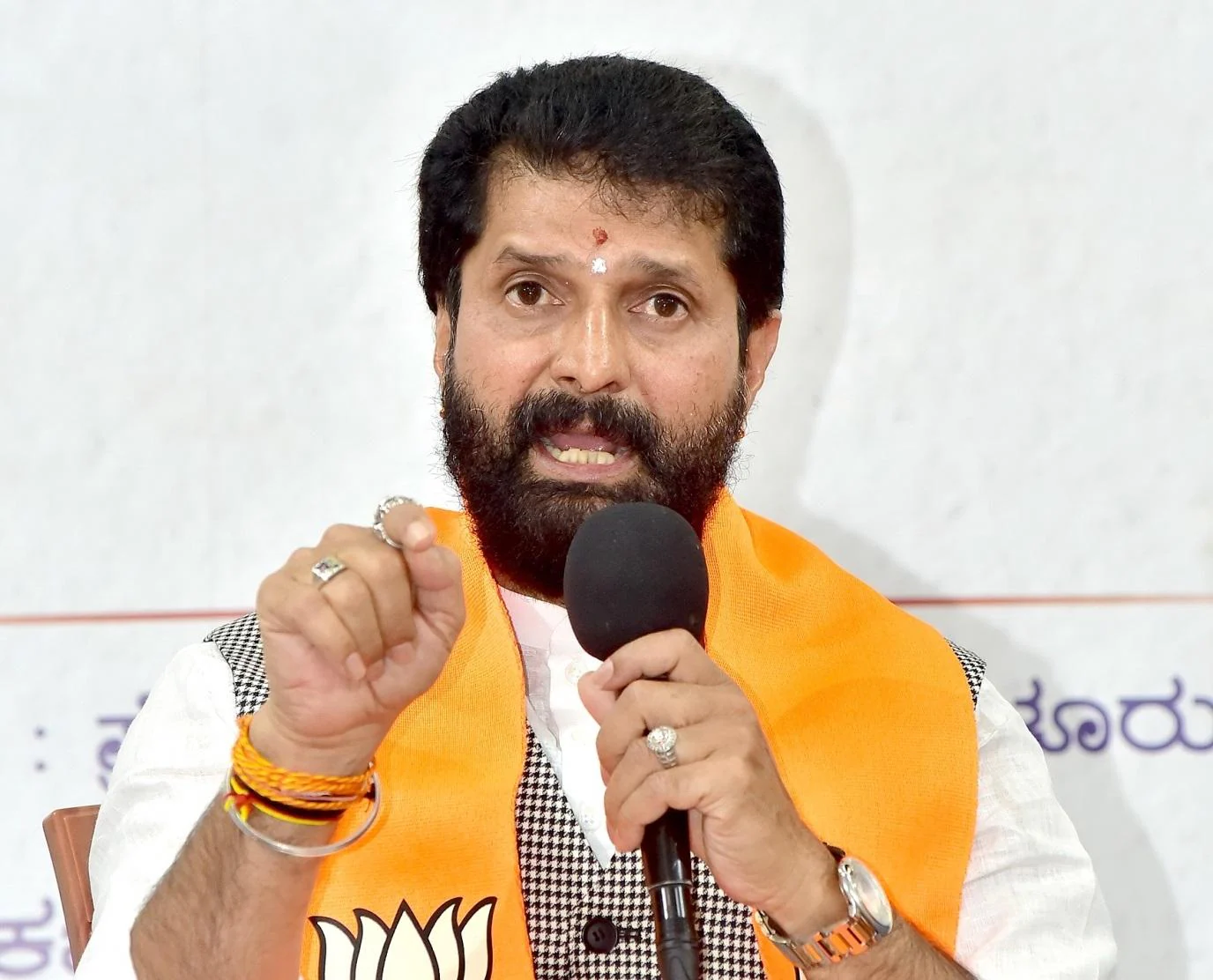

Bengaluru (Karnataka) [India], March 06: BJP leader CT Ravi on Thursday expressed support for the Income Tax Bill 2025, stating that it would ensure businesses comply with tax laws. He emphasized that only those who evade taxes need to be worried about the bill.
Ravi’s comments came after the Union Budget for 2025-26 extended the income tax exemption limit from Rs 7 lakh to Rs 12 lakh, providing significant relief to taxpayers, especially the middle class. The BJP leader pointed out that during the Congress government’s tenure, even people with an annual income of Rs 2 lakh had to pay taxes, highlighting the new bill’s favorable approach for taxpayers.
“…During the Congress government’s tenure, even people with an annual income of Rs 2 lakh had to pay income tax… This bill will keep a check on people’s businesses and whether they pay income tax or not. A clean chit can’t be given to those who steal (income tax)… Only those who (don’t pay their taxes) need to be scared,” Ravi told ANI. He also expressed his gratitude to Prime Minister Narendra Modi for the tax exemption.
In the meantime, a meeting of the Select Committee of the Lok Sabha, chaired by BJP MP Baijayant Panda, was held in New Delhi to examine the Income Tax Bill 2025. On March 7, the 31-member committee will hear from industry bodies such as the Federation of Indian Chambers of Commerce and Industry (FICCI) and the Confederation of Indian Industry (CII) regarding the bill.
The new Income Tax Bill, introduced by Union Finance Minister Nirmala Sitharaman in the Lok Sabha on February 13, seeks to replace the existing Income Tax Act, 1961. The bill is designed to modernize tax laws and clarify various tax-related matters, benefiting different categories of taxpayers, including individuals, businesses, and non-profit organizations.
One of the bill’s significant changes is the use of simplified language and updated terminology to reflect the modern economy. For example, it replaces outdated terms like “financial year” and “assessment year” with “tax year” and introduces terms such as “virtual digital asset” and “electronic mode” to address the growing importance of digital transactions and cryptocurrency. The bill also makes clarifications on the scope of total income while maintaining existing tax principles.