

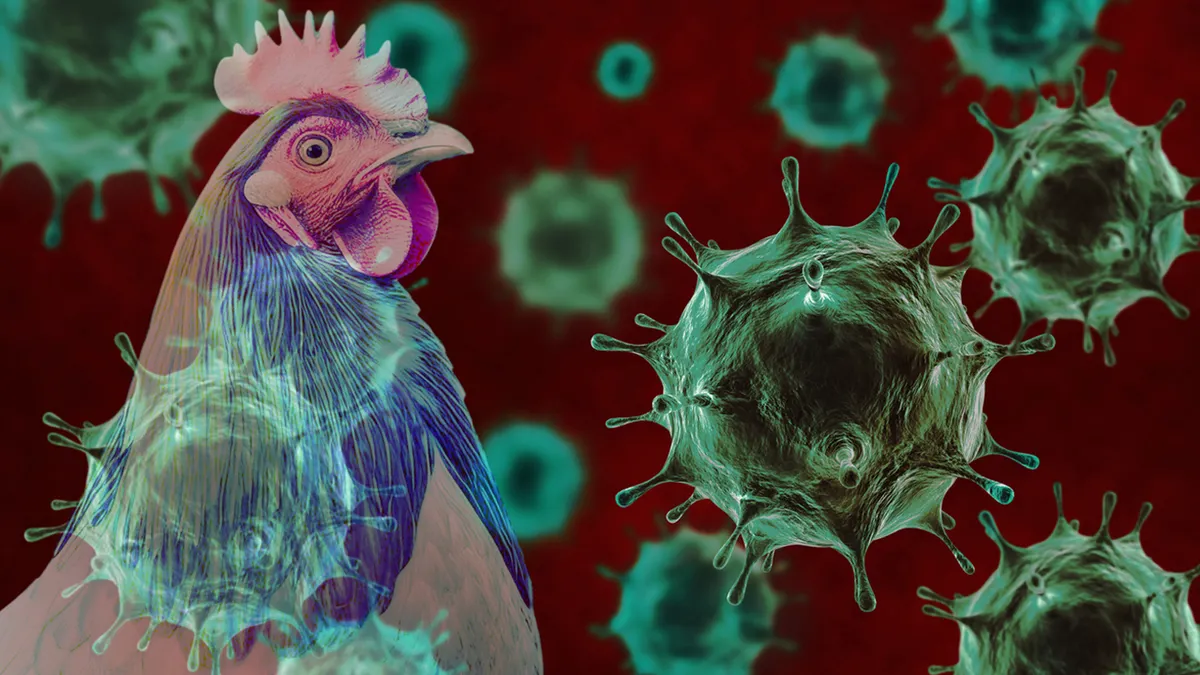

New Delhi: Fresh cases of bird flu (avian influenza) have been reported in parts of Kerala, including Alappuzha and Kottayam, raising serious concerns among neighbouring states. In response, authorities in Tamil Nadu have intensified preventive measures, particularly across border districts, to ensure the infection does not spread into the state.
Under the supervision of Joint Director Dr Balakrishnan, veterinary and health teams have been placed on alert. Nilgiris District Collector Lakshmi Bhavya announced a temporary ban on transporting live poultry, eggs, poultry waste and related products from Kerala into the district as a precaution.
Namakkal Poultry Hub Tightens Vigil
Earlier, poultry farms in Namakkal district — one of India’s largest egg-producing hubs — strengthened biosecurity and surveillance protocols. With nearly 1,500 poultry farms producing millions of eggs daily and supplying both domestic and international markets, authorities stressed the importance of strict monitoring to prevent economic and public health risks.
Bird Flu Risk And Human Impact
Bird flu primarily affects domestic poultry such as chickens, ducks, and turkeys, but it can also spread via wild and migratory birds. In rare but serious cases, the infection can transmit to humans, particularly those in close contact with infected animals.
According to the World Health Organization (WHO), from 2003 to August 2025, there were 990 confirmed human bird flu infections across 25 countries, resulting in 475 deaths — reflecting a worrying 48% fatality rate. Experts therefore stress heightened vigilance and preventive measures.
What Is Bird Flu?
Bird flu, or avian influenza, is caused by influenza viruses that typically infect birds. Human infection occurs primarily through direct exposure to infected animals or their body fluids. The Cleveland Clinic notes that human-to-human transmission is extremely rare.
Exposure can happen through saliva, respiratory droplets, feces, or contaminated environments. However, experts clarify that people do not contract bird flu from properly cooked poultry, eggs, or pasteurised milk, as infected flocks are immediately removed from the food supply.
Symptoms Of Bird Flu In Humans
Common symptoms may include:
- Fever
- Fatigue
- Cough
- Muscle aches
- Sore throat
- Pink eye (conjunctivitis)
- Shortness of breath
- Runny or stuffy nose
- Nausea, vomiting or diarrhea
Symptoms can range from mild to severe.
How To Prevent Bird Flu
Authorities and health experts recommend the following precautions:
1. Avoid Contact With Birds
Stay away from sick or dead birds, poultry farms, live bird markets and affected farms. Report unusual bird deaths immediately.
2. Cook Food Properly
Ensure poultry and eggs are cooked to 75°C (165°F). Avoid raw or undercooked poultry and consume only pasteurised dairy.
3. Maintain Hand Hygiene
Wash hands with soap for 20 seconds or use sanitizer after handling poultry or outdoor equipment.
4. Use Protective Gear
Wear masks, gloves and eye protection if handling birds. Change clothes and footwear afterward.
5. Stay Updated And Vaccinated
Get annual flu vaccination and follow government advisories regarding outbreak areas.
Authorities continue to monitor the situation closely, urging the public not to panic but to follow safety measures and maintain hygiene to reduce risk.
(With inputs from IANS)
Disclaimer: This article contains general information and is not a substitute for professional medical advice.