

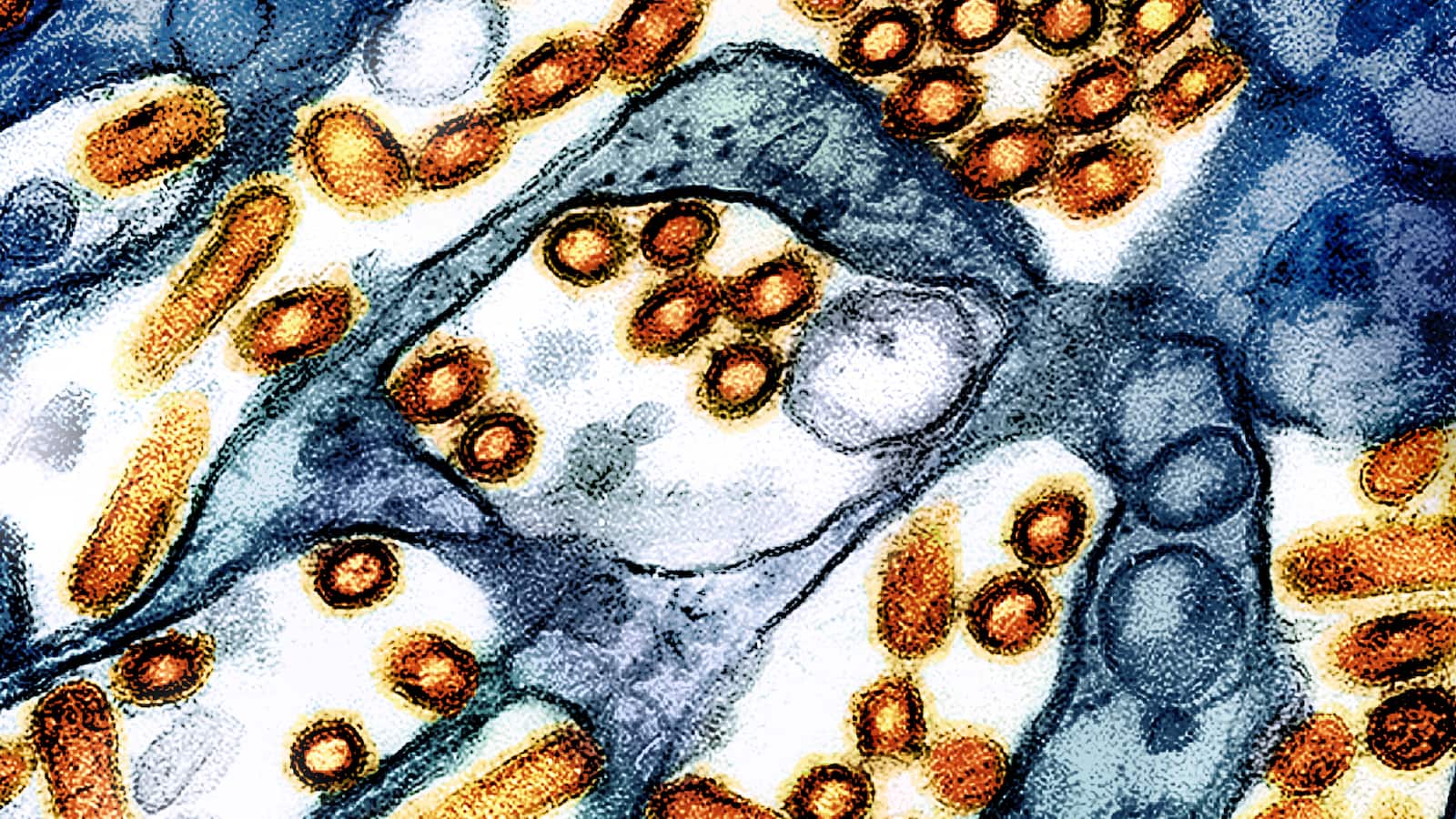

A resident of Washington state has been infected with a strain of bird flu (avian influenza) that has never before been detected in humans, marking an important epidemiological development in the ongoing battle against avian influenza viruses.
The patient, an older adult with underlying health conditions from Grays Harbor County, was hospitalized earlier this month with severe symptoms, including a high fever, confusion, and respiratory distress. Health officials confirmed the man was infected with H5N5, a subtype of avian influenza.
Likely Source: Backyard Poultry
The Washington State Department of Health (DOH) confirmed the infection, noting that the virus had been previously reported in animals but never in a human host. The DOH believes the source of the infection is connected to the patient’s home environment:
- The man keeps a “mixed backyard flock of domestic poultry” at his home on the southwest Pacific coast.
- Two of these domestic birds recently died, although the rest of the flock remains healthy.
- Wild birds, known carriers of the virus, also had access to the property.
The DOH stated, “The domestic poultry or wild birds are the most likely source of virus exposure; however, public health investigation is ongoing.” The agency is collaborating with local health and agriculture departments to finalize the exposure and animal health investigations.
Understanding the H5N5 Strain
The H5N5 strain belongs to the 2.3.4.4b clade of Highly Pathogenic Avian Influenza (HPAI), a newer genetic branch that is highly similar to the globally widespread H5N1 strain.
- This clade has caused widespread animal outbreaks since its emergence around 2020, leading to high mortality rates in birds and affecting numerous mammalian species globally, including seals and dairy cows.
- Avian influenza viruses naturally occur in wild aquatic birds and can occasionally infect mammals, including humans, typically after prolonged close contact with sick or infected animals.
- In humans, symptoms of avian flu have ranged from mild (such as eye redness) to severe, including pneumonia, acute respiratory distress, and in rare cases, death. The Washington patient is described as “severely ill.”
Risk to the Public Remains Low
Despite the severity of the patient’s condition and the unprecedented nature of the H5N5 infection in a human, the Washington State DOH and the Centers for Disease Control and Prevention (CDC) maintain that the risk of bird flu to the general public remains low.
The DOH emphasized that:
“Public health disease experts have not identified any increased risk to the public… Transmission of avian influenza between humans is extremely rare and has never been documented in the United States.”
Public health officials are taking precautions by monitoring over 100 close contacts of the patient, including health care workers, for influenza symptoms and testing those who show signs of illness. So far, no other individuals have been identified as infected with the H5N5 strain.