

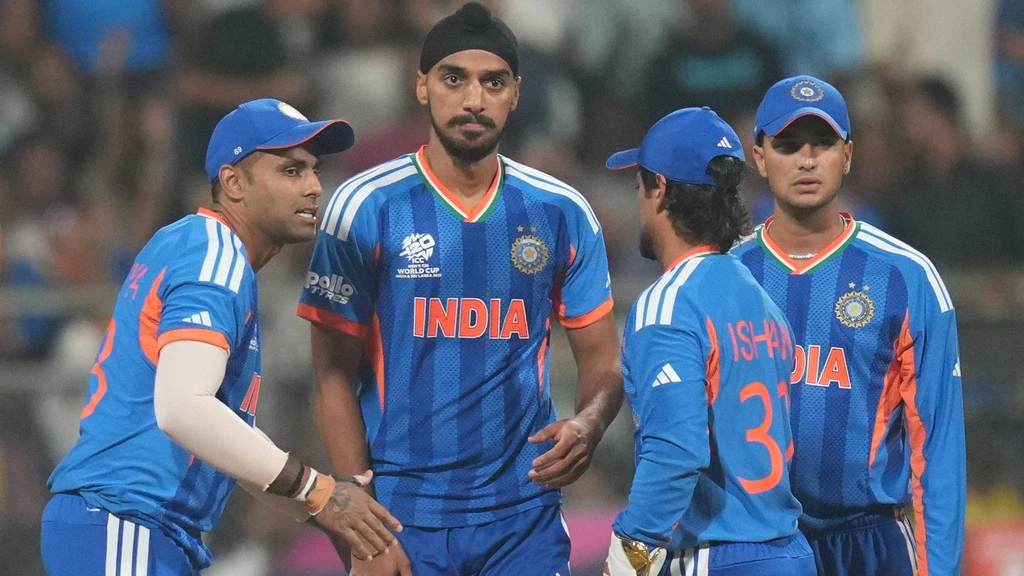

NEW DELHI — In a major move to ensure “uninterrupted focus” during India’s defense of the T20 World Cup, the Board of Control for Cricket in India (BCCI) has officially barred players’ families from staying with the team. The decision comes as a direct consequence of internal reviews following India’s disappointing 1–3 series loss to Australia in the recent Border-Gavaskar Trophy (BGT).
Despite a request from the current team management for clarity on whether wives and fiancées could join the squad, the board has remained firm on its revised disciplinary protocol.
1. The “14-Day Rule” and the BGT Fallout
The shift in policy marks the end of the “relaxed” era that began during the COVID-19 pandemic, where families were permitted to stay in bio-bubbles and on long tours indefinitely.
- The New Policy: Players are now only allowed to have families stay with them for a maximum of 14 days, and even then, only if the tour exceeds a 45-day duration.
- The Australian Catalyst: Reportedly, the BGT support staff flagged that several players missed crucial tactical meetings and planning sessions in Australia because they were preoccupied with family commitments.
- Separate Arrangements: While families cannot stay in the official team hotel, the BCCI has clarified that they are free to travel to venues and make their own independent lodging arrangements.
2. Logistics: Private Charters and Personal Chefs
To minimize distractions and maintain health standards, the BCCI has upgraded the team’s logistical support for this World Cup:
- Chartered Travel: The entire squad will travel via private charter flights between Indian venues and Colombo.
- Dietary Control: While players have their personal chefs with them, the BCCI has mandated that these chefs stay in separate, nearby hotels. The chefs will prepare meals and send them over to the team hotel to maintain a “focused” environment.
3. The Selection Shake-up
The policy shift isn’t the only change following the Australia series. The BCCI has also tightened the screws on domestic participation:
- Mandatory Domestic Play: Centrally contracted players must now participate in domestic tournaments (like the Ranji Trophy) to remain eligible for national selection.
- The Shami Example: This was recently evidenced by Mohammed Shami, who made a strong case for his Test return with a blazing fifty in the Ranji quarterfinals under the watchful eyes of selectors.
4. India’s T20 World Cup Roadmap
| Date | Opponent | Venue | Status |
| Feb 7 | USA | Wankhede, Mumbai | Won (Suryakumar Yadav 50+) |
| Feb 12 | Namibia | Arun Jaitley, Delhi | Upcoming |
| Feb 15 | Pakistan | R. Premadasa, Colombo | Confirmed (After PCB U-turn) |