


Bangladesh votes in its 13th parliamentary elections amid a transformed political landscape, rising regional stakes, and concerns over violence and minority safety.
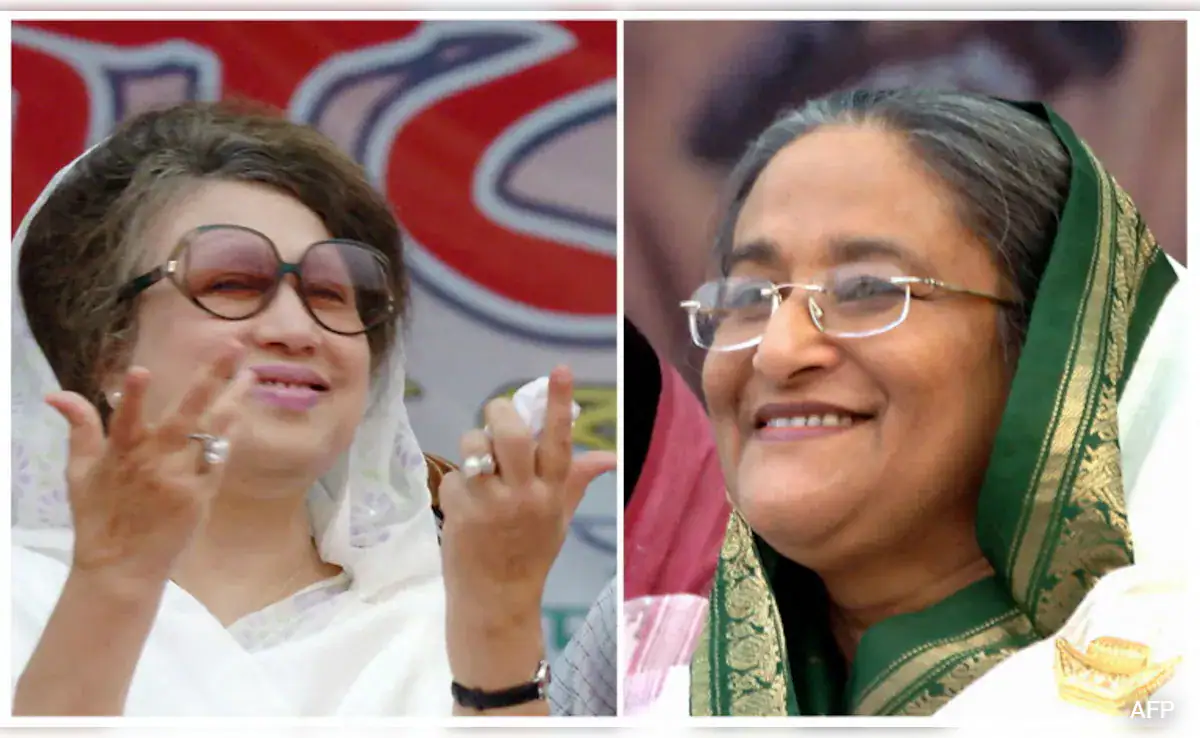
Bangladesh is heading into one of its most historic elections in decades, with voters casting ballots in the 13th parliamentary elections in the absence of two towering political figures — former Prime Minister Sheikh Hasina and BNP leader Khaleda Zia.
Sheikh Hasina, who was deposed following massive student protests in August 2024, has been living in India since her ouster, while Khaleda Zia passed away in December 2025. Their absence marks the end of a political era dominated by the two leaders who alternated in power for decades.
Key Voting Details
- Voters will elect 299 members of the Jatiya Sangsad (Parliament), with 150 seats required for a majority.
- Voting has been cancelled in the Sherpur-3 constituency following the death of a candidate.
- Bangladesh has 12.77 crore registered voters, with polling conducted under the first-past-the-post system.
- Voting begins at 7:30 am local time (7:00 am IST), with results expected to start coming in by evening.
- An additional 50 seats are reserved for women, filled through proportional representation by MPs using the single transferable vote system.
First Election After Hasina’s Ouster
These elections are the first since Sheikh Hasina’s removal from power in 2024. Hasina, who came to power in 2009 and ruled for more than 15 years, had also won the 2024 elections before being forced out months later.
Khaleda Zia and Hasina alternated as prime minister from 1991, shaping Bangladesh’s political trajectory for decades.
New Political Contenders and Alliances
With both political heavyweights gone, a new leadership battle has emerged. Tarique Rahman, Khaleda Zia’s son, returned from nearly 17 years in exile in December and has quickly emerged as a frontrunner for the prime minister’s post, leveraging the BNP’s support base.
The Awami League has been barred from contesting due to its crackdown during the student protests, leaving Jamaat-e-Islami as the main challenger. Jamaat is now leading its own coalition with backing from the National Citizen Party, a Gen-Z and student-led group that emerged during the protests.
Referendum on National Charter
Voters will also participate in a referendum on the July National Charter, drafted by the Muhammad Yunus-led interim government. Key proposals include:
- Limiting prime ministers to two terms (10 years)
- Creating an upper house of parliament
- Restoring the caretaker government system to oversee elections
Regional and Security Implications
The election’s outcome will have major implications beyond Bangladesh. India, China, and Pakistan are closely watching developments, given Bangladesh’s shifting foreign policy orientation. While Hasina’s government was seen as pro-India, recent trends indicate a tilt towards Beijing and Islamabad.
Relations with India have been strained under the interim government led by Yunus, though the BNP is considered more favourable towards New Delhi than Jamaat-e-Islami.
India is also monitoring the situation amid rising attacks on minorities and killings of Hindus since Hasina’s ouster, with fears of election-day violence and unrest.
These elections mark a turning point for Bangladesh, as citizens vote in a dramatically altered political landscape, hoping to usher in a new chapter in the country’s history.