

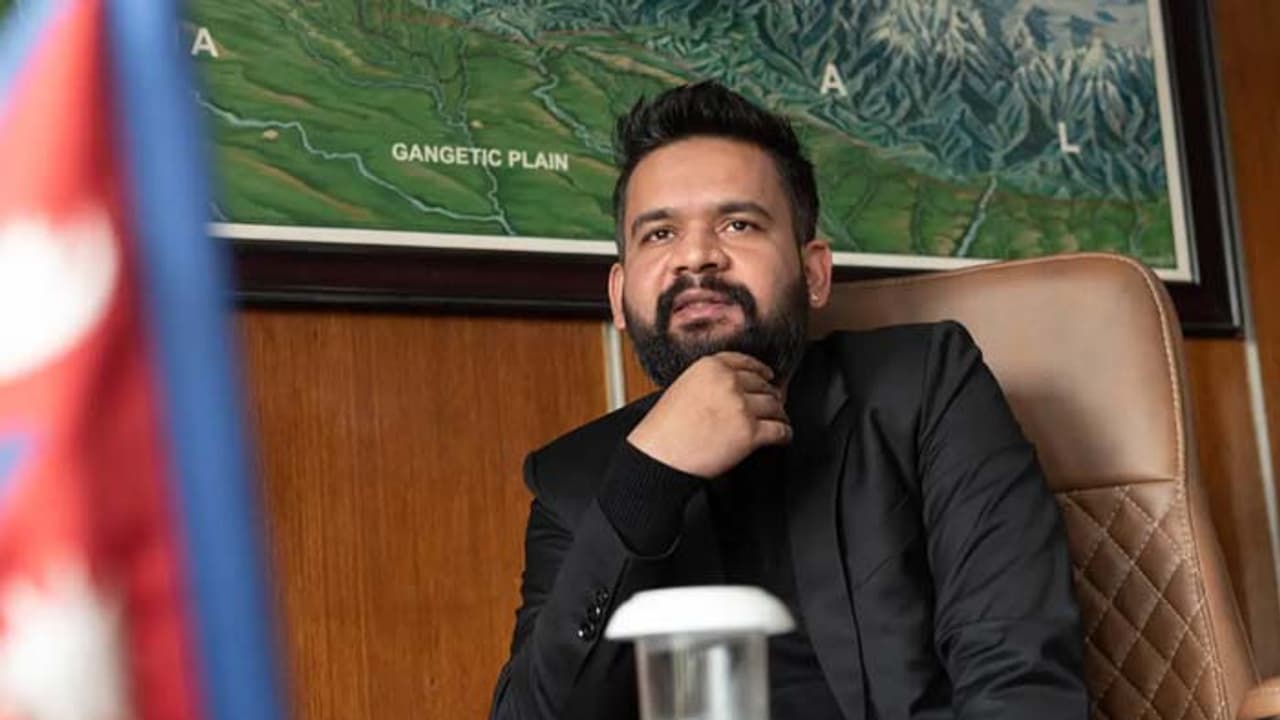

Balendra Shah, popularly known as Balen, is set to become Nepal’s youngest prime minister after being unanimously elected leader of the parliamentary party of the Rastriya Swatantra Party (RSP) on Thursday.
The 35-year-old leader’s elevation clears the path for his swearing-in on Friday, marking a historic political shift in Nepal. Balen will also be the first leader from the Madhes region to hold the country’s top executive post.
RSP Sweeps Polls, Decimates Traditional Parties
The rise of Balendra Shah and the RSP comes after a stunning performance in the March 5 general elections, widely seen as a mandate for change following last year’s youth-led protests demanding cleaner governance.
The RSP secured a massive 182 out of 275 seats in the House of Representatives of Nepal, comfortably crossing the majority mark required under Article 76(1) of the Constitution to form the government.
In contrast, traditional political heavyweights suffered significant setbacks:
- Nepali Congress: 38 seats
- Communist Party of Nepal (Unified Marxist–Leninist): 25 seats
- Nepal Communist Party: 17 seats
Other smaller parties like the Shram Sanskriti Party and Rastriya Prajatantra Party secured single-digit victories.
From Music to Mandate: Balen’s Unprecedented Rise
A former rapper turned politician, Balendra Shah emerged as the face of a new political wave. In a major upset, he defeated former prime minister K. P. Sharma Oli in Jhapa-5, a long-standing stronghold of the CPN-UML.
His victory is widely viewed as a reflection of growing public frustration with established parties and a desire for fresh leadership.
Government Formation Underway
Following the oath-taking of newly elected lawmakers at the federal parliament in Singha Durbar, the RSP’s central committee formally elected Balen as its parliamentary leader.
Senior leader Shanker Shrestha confirmed that Balen has been given full authority to form the new government. Sources indicate that the new cabinet is likely to be compact, with 15 to 18 ministers.
The oath ceremony for lawmakers was administered by senior-most member Arjun Narasingha KC, who had earlier been sworn in by President Ramchandra Paudel.
A Mandate for Change and Reform
With a simple majority secured—and just short of a two-thirds majority required for constitutional amendments—the RSP government is expected to focus on governance reforms and anti-corruption measures.
The scale of the victory signals a major political transformation in Nepal, driven by young voters and a push for accountability and systemic change.