


The biggest military exercises ever between Australia and the Philippines are termed Alon 🌊, which means “wave” in Tagalog, the language of the Philippines. More than 3,600 soldiers are taking part in the drills, which are happening at a Philippine town on the disputed South China Sea. China has spoken out against them. The exercises, which will go until August 29, are meant to improve interoperability and protect sovereignty in the Indo-Pacific.
Building Alliances and Showing Off Firepower
The drills will be a big show of military strength, with Australia’s weaponry on display in the form of a guided-missile naval destroyer, F/A-18 supersonic fighter jets, a C-130 transport and cargo plane, Javelin anti-tank weapons, and sniper rifles for special troops.
Vice Admiral Justin Jones of the Royal Australian Navy said that the exercises show Australia’s dedication to safeguarding state sovereignty and making sure that countries may make decisions “without coercion.”
The United States, Canada, Japan, South Korea, New Zealand, and Indonesia are all sending defense forces to watch the drills. This shows how regional security partnerships are expanding. The Philippines has a visiting forces agreement (VFA) with Australia, which lets the two countries hold big military exercises on each other’s land. Australia is the second country to have one of these agreements, after the US.
Things are getting worse in the South China Sea.
The drills are happening at the same time as a rise in territorial disputes between China and the Philippines. China, which claims most of the South China Sea, has always spoken out against multinational military drills in the area, saying that the US and its allies are “ganging up” on it.
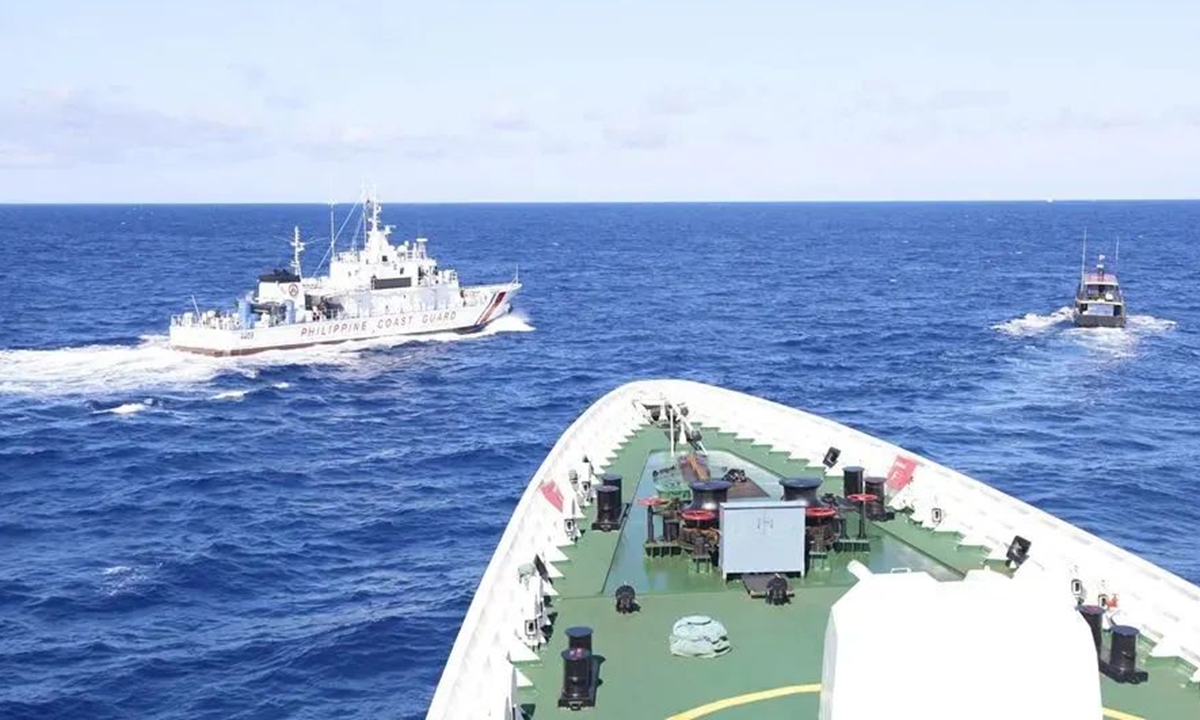
A recent event near the Scarborough Shoal brought these tensions to a climax when a Chinese naval ship crashed into a Chinese coast guard ship while trying to stop a smaller Philippine coast guard boat. The Australian Embassy in Manila spoke out against the “dangerous and unprofessional conduct” of the Chinese ships. In response, the US sent two warships to the area as part of a “freedom of navigation” operation.
This comes after a Chinese J-16 fighter jet fired flares near an Australian military surveillance plane in international airspace in February. This shows how unstable the region is right now.