

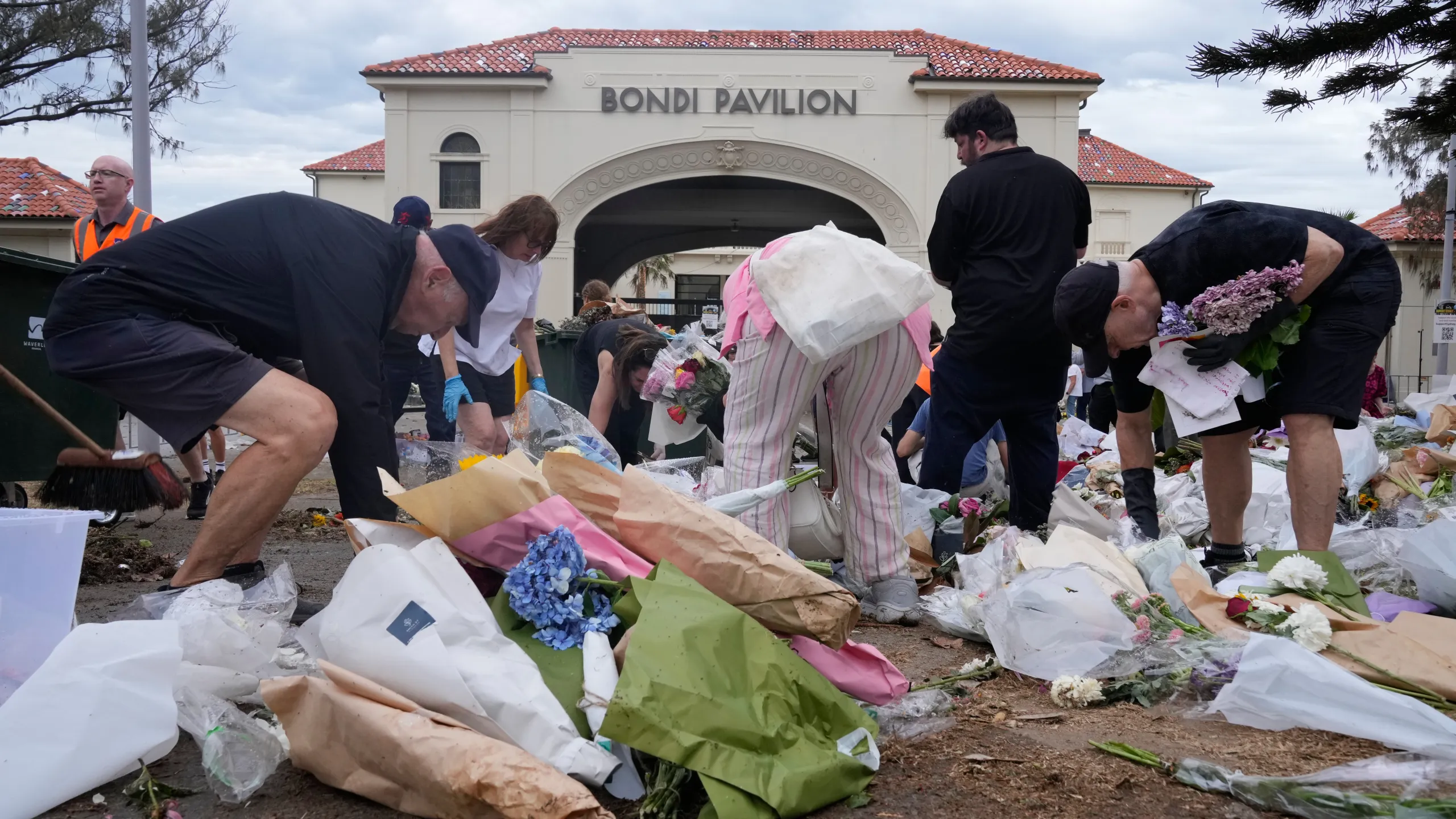

Canberra: Australian Prime Minister Anthony Albanese on Wednesday welcomed Parliament’s passage of new anti-hate speech and gun control laws, introduced in response to a deadly attack at a Jewish festival in Sydney last month that left 15 people dead.
Authorities have said the father-and-son gunmen, accused of opening fire during Hanukkah celebrations at Bondi Beach on December 14, were inspired by the Islamic State (IS) group.
“At Bondi, the terrorists had hate in their hearts, but they had guns in their hands,” Albanese told reporters. “We said we wanted to deal with that with urgency and with unity—and we acted to deliver both.”
Two Separate Bills Passed After Initial Plan Changed
The government had initially planned to introduce a single piece of legislation, but later split it into two separate bills—one addressing hate speech and the other gun laws. Both bills were introduced in the House of Representatives on Tuesday.
They cleared the Senate late Tuesday night, with:
- The Greens supporting tougher gun reforms
- The conservative Liberal Party backing the anti-hate speech legislation
While Albanese’s center-left Labor Party holds a majority in the lower house, no party controls the Senate outright.
PM Wanted Stronger Hate Speech Laws
Albanese acknowledged he had hoped for stricter provisions on hate speech but said compromises were unavoidable.
“I would have preferred stronger laws, but the Senate would not compromise,” he said. “If you can’t get laws passed in the wake of a massacre, then it’s difficult to see people changing their minds.”
What the New Gun Laws Do
The gun reform package:
- Introduces new restrictions on gun ownership
- Establishes a government-funded gun buyback scheme
- Compensates owners required to surrender their firearms
Home Affairs Minister Tony Burke told Parliament that the accused gunmen would not have been legally allowed to possess firearms under the new rules.
Details of the Attack and Charges
The alleged attackers were:
- Sajid Akram, 50, who was shot dead by police during the attack
- His son Naveed Akram, 24, who survived and has been charged with 15 counts of murder and one count of committing a terrorist act
Burke said the Indian-born father would have been barred from gun ownership under the new laws because he was not an Australian citizen.
The Australian-born son would also have been prohibited, as he had been under ASIO surveillance since 2019 over suspected extremist links.
Hate Groups to Be Outlawed Under New Powers
The new anti-hate speech laws allow the government to outlaw extremist groups that do not meet Australia’s definition of a terrorist organisation, such as Hizb ut-Tahrir, which is banned in several other countries.
ASIO will play a key role in determining which groups are banned. The neo-Nazi National Socialist Network has already announced plans to disband to avoid being targeted under the legislation.
Opposition Split Over Free Speech Concerns
While the Liberal Party backed the hate speech laws, its coalition partner, the Nationals, opposed them, citing concerns over free expression.
Nationals leader David Littleproud said the legislation needed amendments to prevent unintended limits on freedom of speech.
“The legislation must guarantee stronger protections against consequences that could restrict the rights of everyday Australians and the Jewish community,” he said.
Gun Buyback Faces Resistance From States
Parliament had been scheduled to resume in February but was recalled early to address what has become Australia’s worst mass shooting since 1996.
That year, a lone gunman killed 35 people in Tasmania, prompting sweeping gun reforms and a buyback of nearly 700,000 firearms nationwide.
However, Tasmania, Queensland and the Northern Territory are resisting the federal government’s push for another buyback, arguing against a plan that would require states and territories to cover half the cost.