

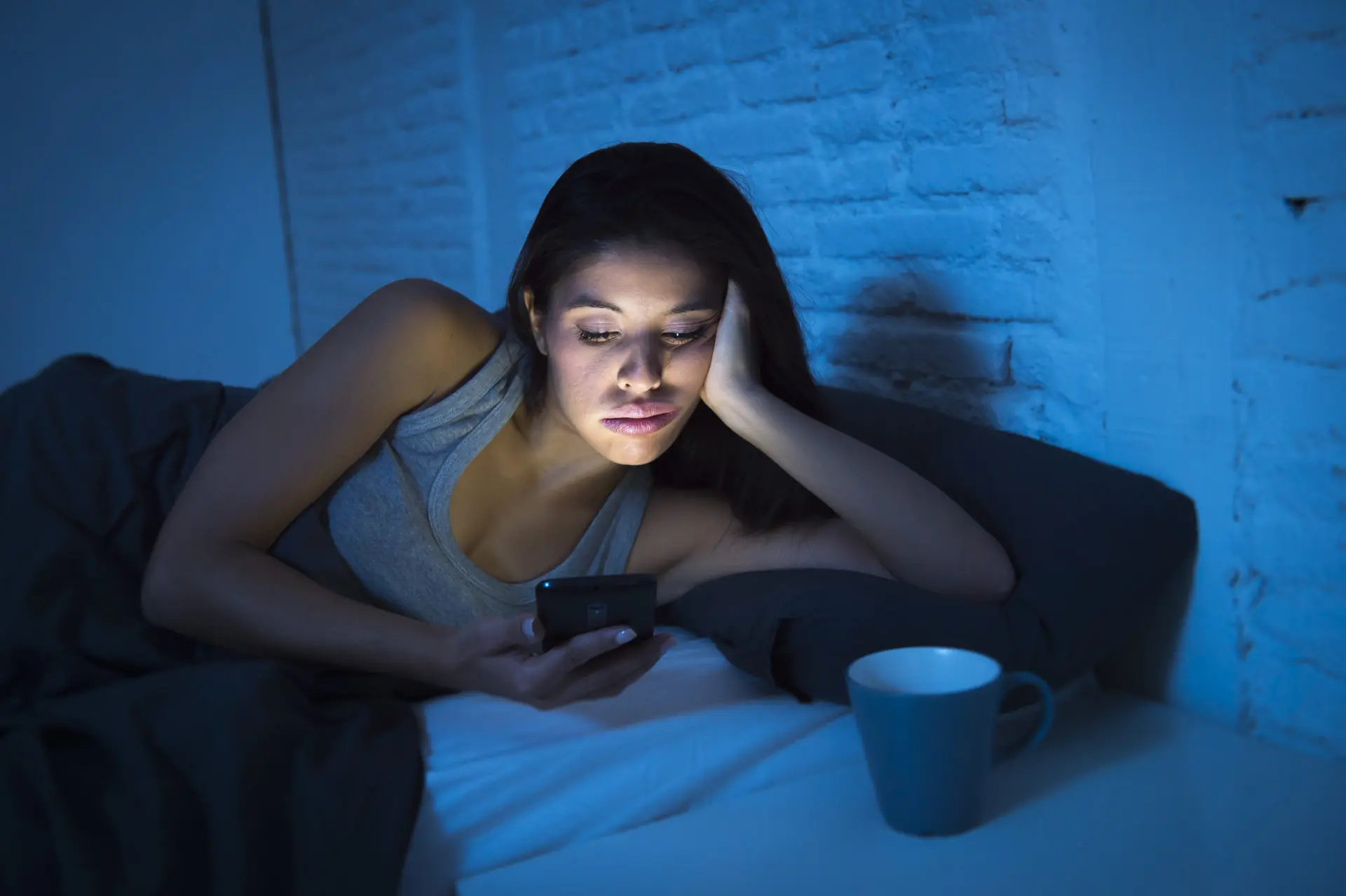

MUMBAI—In a world that never stops, the steady illumination of our screens has become an unavoidable aspect of our lives, even if it means less sleep. A lot of people think that stress or a busy work schedule is to blame for their sleep troubles, but nutritionist Anjali Mukherjee says that artificial light is a less visible but important cause.
Dr. Mukherjee recently wrote on social media that modern behaviors like watching TV late at night and reading through social media in bed all night are messing with our body’s natural sleep signals. She says that melatonin, a very important hormone, is the key to understanding this imbalance.
The Science of Your Sleep Cycle
The pineal gland, a tiny gland in the brain, makes melatonin. Darkness directly causes it to be made. Dr. Mukherjee calls it the body’s “internal clock,” which controls your circadian rhythm, or sleep-wake cycle. When it gets dark, your body naturally makes more melatonin, which tells you it’s time to relax and get ready for bed.
But artificial light, especially the blue light that screens give off, is a strong melatonin blocker. Dr. Mukherjee says that even a few minutes of exposure to bright light at night can greatly slow down the production of the hormone, lower its levels, and cause a chain reaction of sleep problems. These can be things like trouble getting asleep, sleep that doesn’t refresh you, waking up several times during the night, and feeling tired all day.
She makes it clear that these sleep issues are not just a question of bad habits; they are caused by hormonal changes that happen when you are exposed to light.
Easy Ways to Get Your Sleep-Wake Cycle Back on Track
Dr. Mukherjee gives a number of useful and doable strategies to help you sleep better and fight the bad effects of artificial light.
Don’t Use Screens Before Bed: She tells everyone to put away their phones, iPads, and laptops at least one to two hours before they go to sleep. This lets your body’s natural melatonin levels rise without being blocked by light, which makes it easier for you to fall asleep.
Change the Lighting: Dr. Mukherjee says that in the evening, you should turn to warm, low-intensity yellow lighting. This kind of light simulates the way daylight changes naturally and tells your body that it’s time to relax and get ready for bed.
Add “Melatonin-Friendly” Foods: Your diet is also very important for getting a good night’s sleep. She suggests adding items that are known to be natural sources of melatonin to your diet. Almonds, cherries, and oats are some of these foods that can help your body sleep better.
Dr. Mukherjee proposes adding a calming ritual to your bedtime routine to help you relax even more and sleep better. Writing in a notebook, doing breathwork, or drinking a calming herbal tea can all help your mind and body get ready for sleep.
You may work with your body’s natural rhythms instead of against them by making some small but powerful modifications. This can help you get a deeper, more restorative night’s sleep.