

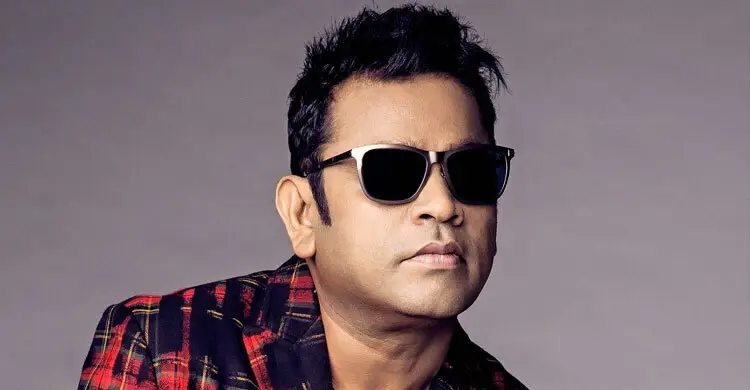

Oscar-winning composer A R Rahman’s comments about receiving less work in Bollywood over the past few years have sparked a political and ideological row, drawing sharp reactions from the BJP and the Vishwa Hindu Parishad (VHP).
In a recent interview with the BBC Asian Network, Rahman said that opportunities in the Hindi film industry had reduced for him due to a “power shift,” adding that it “might have been a communal thing,” though not something expressed openly. He suggested that decisions in the industry are now often made by people who are not creatively inclined, and that he sometimes hears about projects only through indirect channels.
The remarks prompted a strong rebuttal from Union minister G Kishan Reddy, who dismissed Rahman’s claim as “absolutely false.” Reddy said the composer has always been admired across communities and stressed that Indians have never viewed Rahman through the lens of religion. Calling the statement unfortunate, he added that Rahman continues to be regarded as one of the country’s most respected music directors.
The Vishwa Hindu Parishad also criticised the composer, with its national spokesperson Vinod Bansal accusing Rahman of unfairly linking his professional slowdown to communal reasons. Bansal claimed Rahman was widely loved by audiences, particularly among Hindus, and questioned why the composer was “badmouthing the system” instead of reflecting on professional factors. His remarks also included personal comments about Rahman’s religious identity, which further escalated the controversy.
In the same interview, Rahman clarified that he is not actively chasing work and prefers projects to come organically. He said he believes in letting the sincerity of his work speak for itself, adding that he considers it unlucky to aggressively seek assignments. Rahman also pointed out that he was the first composer from the southern film industry to successfully establish and sustain a long career in Bollywood.
The controversy has reignited debate around creativity, power dynamics, and identity within the Hindi film industry, with Rahman’s comments continuing to draw mixed reactions from political and cultural circles.