

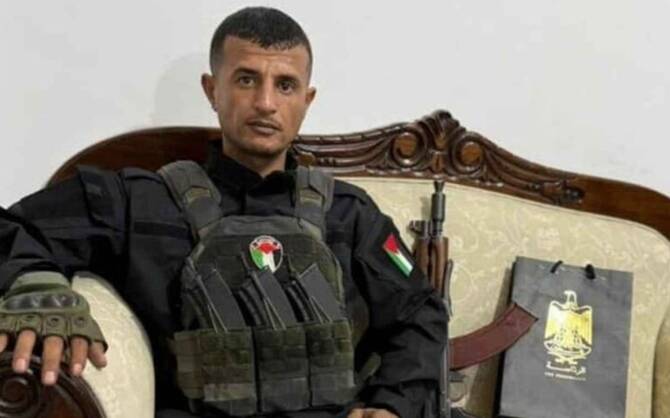

The head of one of Gaza’s most prominent anti-Hamas armed factions, Yasser Abu Shabab, has reportedly been killed, Israeli media said on Thursday — a development that could complicate Israel’s strategy of bolstering local clans opposed to Hamas.
Abu Shabab, a Bedouin tribal leader from the Tarabin clan, was based in Israeli-held Rafah in southern Gaza. His group, the Popular Forces, has been the most visible among several small anti-Hamas factions that emerged after the war erupted more than two years ago.
Hamas, which labelled Abu Shabab a collaborator, had long ordered its fighters to kill or capture him. As of Thursday, his group’s official Facebook page had issued no statement confirming his status.
Reports of Death Amid Israel’s Support for Anti-Hamas Clans
Prime Minister Benjamin Netanyahu acknowledged in June that Israel had supplied weapons to certain Gazan clans to counter Hamas’s influence. Few details have been made public since, but Jerusalem has argued that empowering local tribes helps protect Israeli soldiers and creates alternatives to Hamas rule.
If confirmed, Abu Shabab’s death would mark a significant boost for Hamas, which has been working to eliminate rival factions in the enclave.
Rafah: Violent Clashes Despite Ceasefire
Although a U.S.-backed ceasefire between Hamas and Israel has been in effect since October, Rafah continues to witness intense fighting. Residents reported gunbattles on Wednesday, and Israel said four soldiers were wounded in the area.
On Thursday, the Israeli military stated that its forces had killed about 40 Hamas militants trapped in underground tunnels beneath Rafah.
Abu Shabab’s faction has remained active in Israeli-controlled areas. On November 18, the group released a video showing dozens of fighters receiving orders to conduct a security sweep to “clear Rafah of terror” — a reference to suspected Hamas hideouts.
Conflicting Reports on Abu Shabab’s Whereabouts
Israeli broadcasters Kan and Army Radio, citing security sources, reported that Abu Shabab had died of unspecified wounds at Soroka Medical Center in southern Israel.
However, the hospital later denied he had been admitted, leaving the circumstances and timing of his reported death unclear.
Both the Israeli government and Hamas declined to comment on the media reports.
Questionable Future for Israel’s Clan Strategy
Abu Shabab argued in a July Wall Street Journal article that his group had established a local administration in the Rafah area and urged the United States and Arab nations to recognise and support it. His faction repeatedly denied receiving direct assistance from Israel, despite Netanyahu’s public acknowledgement of support for anti-Hamas clans.
While some Israeli officials view such groups as a tool to weaken Hamas, critics warn that these clans lack the structure and legitimacy to replace the Islamist group, which has dominated Gaza since 2007.
The reported killing of Abu Shabab underscores the fragility of Israel’s attempt to cultivate local power centres in Gaza — a strategy now facing increased uncertainty.