

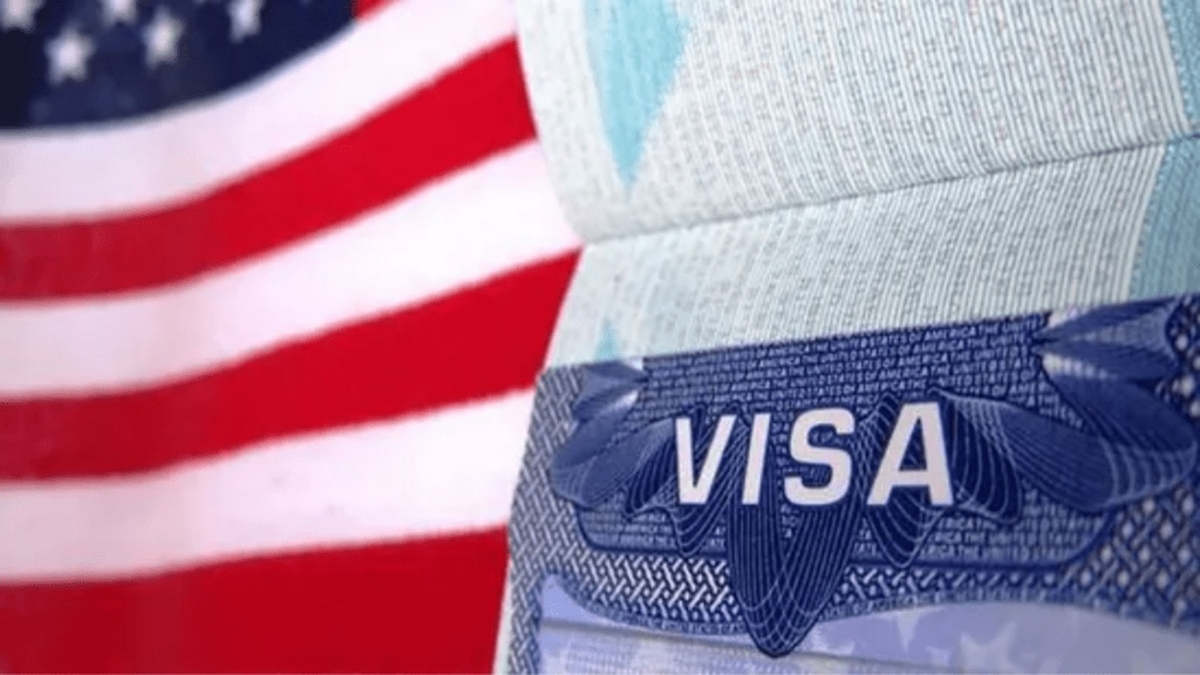

Washington, D.C. – The U.S. government is introducing a new, more subjective layer of scrutiny for all visa, green card, and citizenship applicants. According to a recent policy announcement from U.S. Citizenship and Immigration Services (USCIS), a person’s application could be denied if an adjudicating officer believes they hold “anti-American” views.
The new policy states that “anti-American activity will be an overwhelmingly negative factor in any discretionary analysis.” A news release on the USCIS website quoted spokesman Matthew Tragesser, who said, “America’s benefits should not be given to those who despise the country and promote anti-American ideologies.” He added, “Immigration benefits—including to live and work in the United States—remain a privilege, not a right.”
Under the new guidelines, USCIS officers will examine whether applicants have “endorsed, promoted, supported, or otherwise espoused” views of terrorist organizations or ideologies that are anti-American, antisemitic, or connected to antisemitic terrorism.
This latest policy is part of a series of changes implemented under the Trump administration. In April, USCIS announced that it would monitor the social media accounts of international students and others seeking immigration benefits, with a focus on identifying “antisemitic” views. In mid-June, the agency resumed in-person visa interviews for international students and exchange visitors, with a new requirement that applicants ensure their social media accounts are public.
The definition of “good moral character,” a key requirement for U.S. citizenship, has also been revised to include a holistic assessment of an applicant’s conduct, weighing both negative behaviors (such as misdemeanors or unpaid taxes) and positive attributes (like education and employment history).
The new rules have sparked a strong reaction from immigration attorneys and legal experts, who warn that the policies are becoming increasingly subjective and dependent on the individual officer’s discretion. Cyrus D. Mehta, a New York-based immigration attorney, criticized the ambiguity of the policy, questioning how USCIS defines “anti-Americanism.”
“Being critical of the Trump administration or for that matter any administration should not be deemed as anti-American,” Mehta wrote on social media. “Indeed, it should be considered a virtuous activity to be critical of America or its administration as it is through criticism and dissent that we can reflect on all points of view, self-correct, grow and evolve.” Other critics have taken to social media with sarcastic posts, mocking the policy for its vagueness and what they see as its potential for absurdity.